Projects &
Fieldwork

Project Qumran’s fieldwork in the Judean Desert encompasses archaeological exploration, excavation, and the careful documentation of caves, tunnels, landscapes, and discoveries connected with Israel’s ancient heritage. The projects below represent selected areas of our ongoing research and field activity in Qumran and the surrounding desert region.

Cave 61

Located high above Qumran near the waterfall of Wadi Qumran, Cave 61 is part of the wider cave system in the area where the Dead Sea Scrolls were found. Project Qumran’s excavation uncovered pottery sherds and other finds, including jar fragments, a flask, and lamps from the Second Temple period.

View Gallery
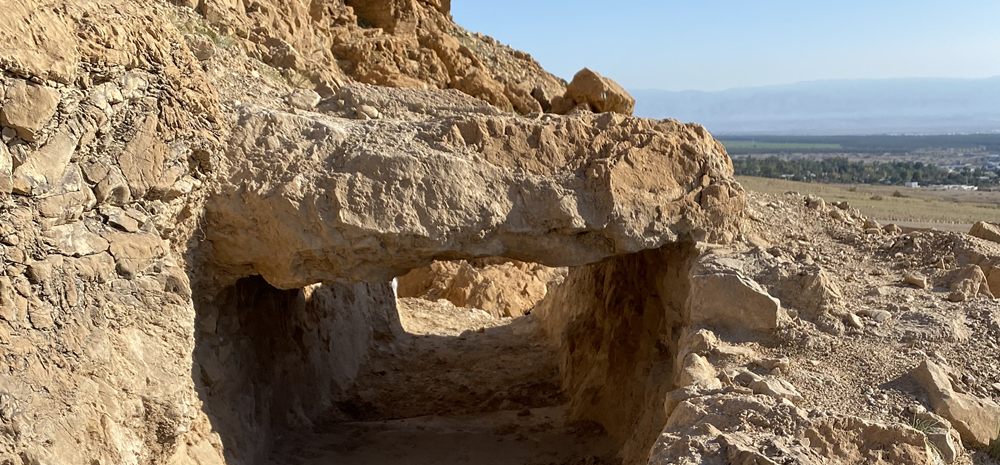
A channel cut into the bedrock of the cliffs, passing beneath a carved rock opening

Hyrcania Tunnels

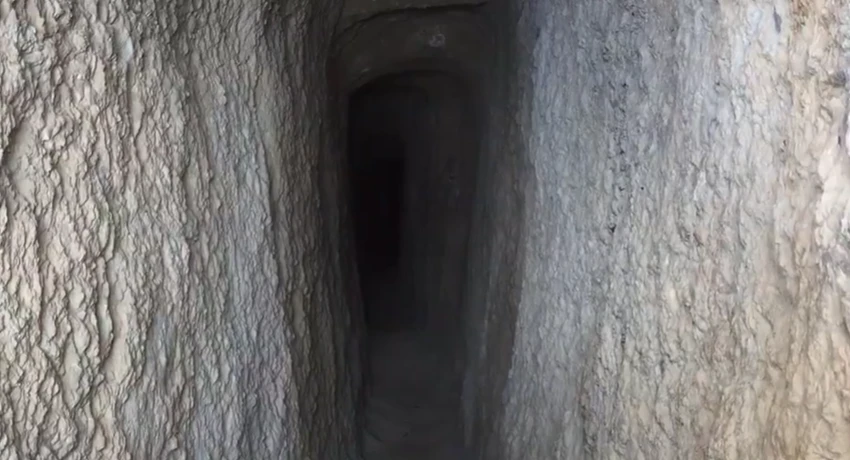
Cut into the bedrock of Nahal Sekhakha, below Khirbet Hyrcania in the northern Judean Desert, the Hyrcania Tunnels are among the region’s most enigmatic man-made features. Project Qumran has documented and studied these unusual tunnels, along with the nearby cisterns and water channels. Their original purpose remains unknown, adding to their mystery and significance.

View Gallery
A narrow rock-cut tunnel receding into darkness between pale chiselled walls

Teomot’s Hidden Chamber

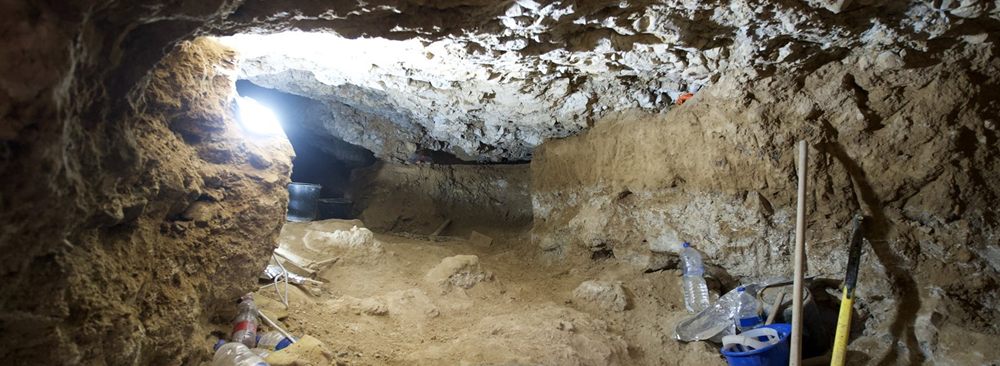
Project Qumran uncovered a previously unknown cave just north of the two large openings of the Te’omot cave system. The six-week excavation revealed a chamber roughly 8 meters wide and 9 meters deep, just behind the cliff face.

View Gallery
The lit back chamber of the cave, with ventilation hose, buckets and tools on the floor

“The truth shall spring from the earth”

Psalms 85:12