
Gallery
A visual archive of Project Qumran’s fieldwork — from desert landscapes and cave openings to excavation photography, visual documentation, and discoveries.
© Project Qumran and respective copyright holders. All rights reserved. Unauthorized reproduction, distribution, or use of these photographs is prohibited. For permissions, please contact Project Qumran.
Photo Gallery
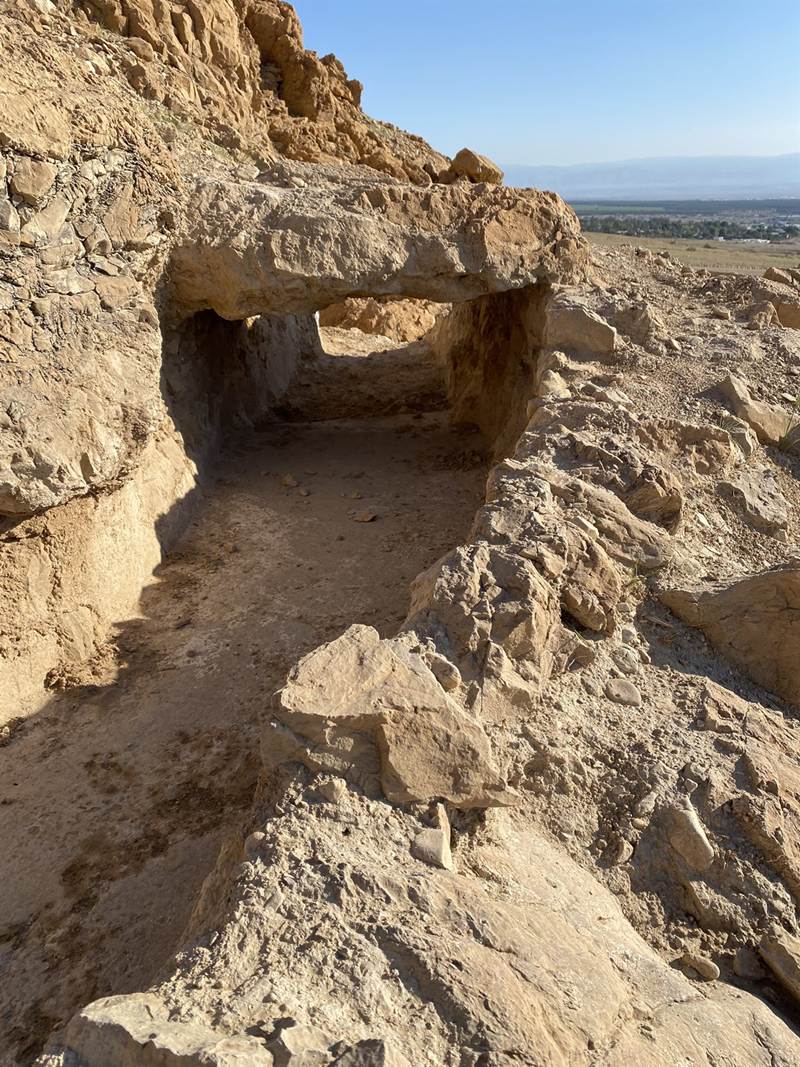
The Aqueduct from the Waterfall at Wadi Qumran is Carved into the Bedrock Cliff to Channel Water into Cisterns in the Community Below
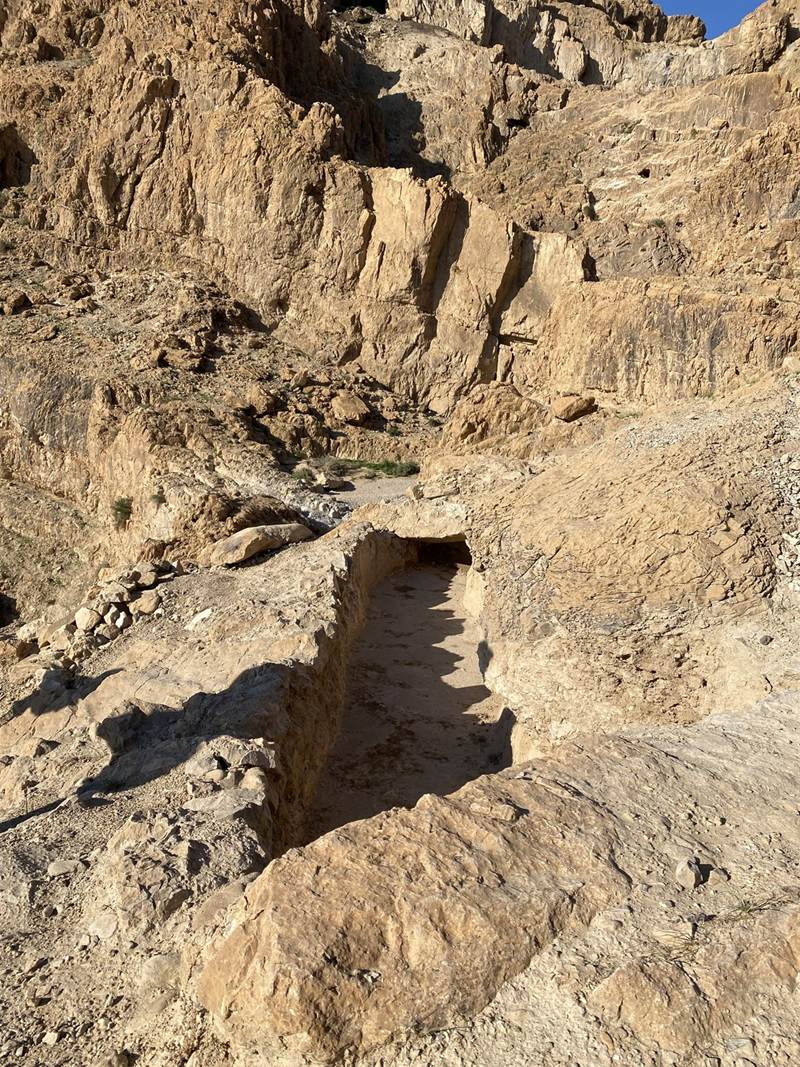
During the Rainy Season an Aqueduct Would Channel Water Through a Series of Conduits to Supply Water to the Community
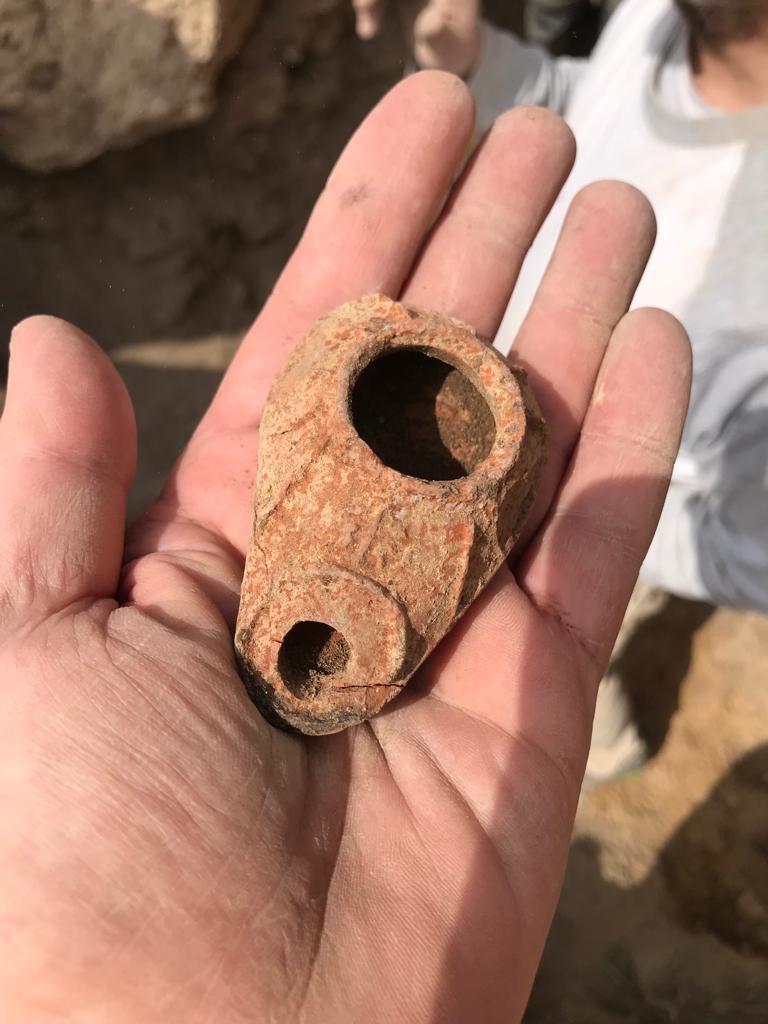
Byzantine-Period Lamp from Cave 61
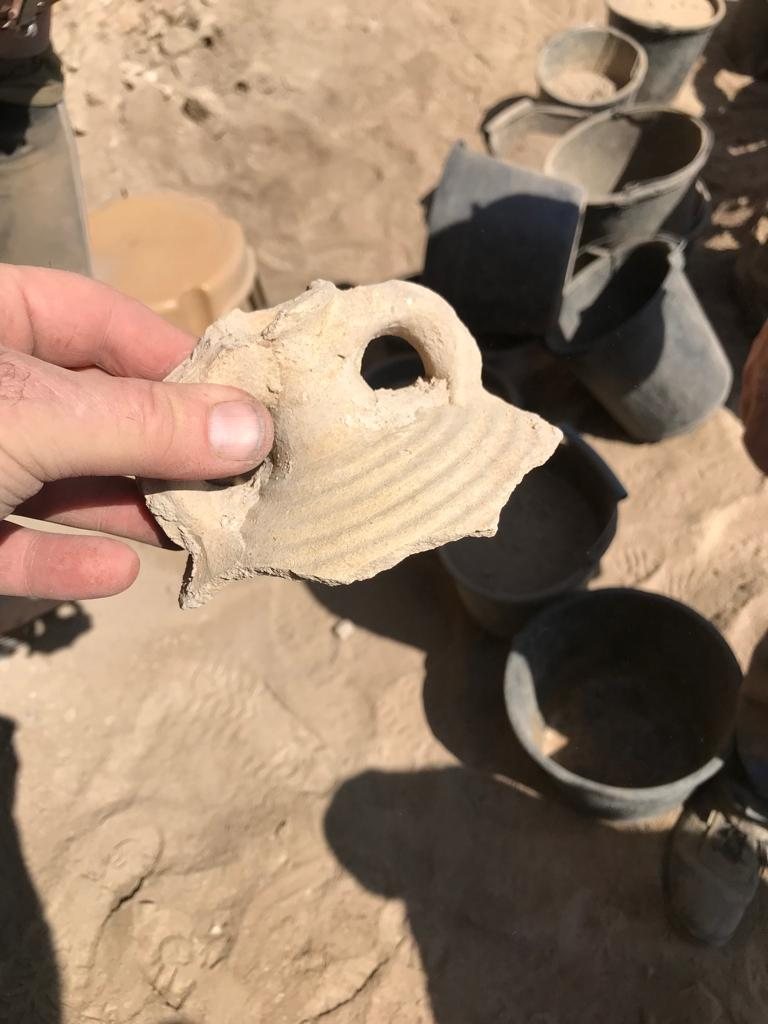
Flask Fragment from Cave 61
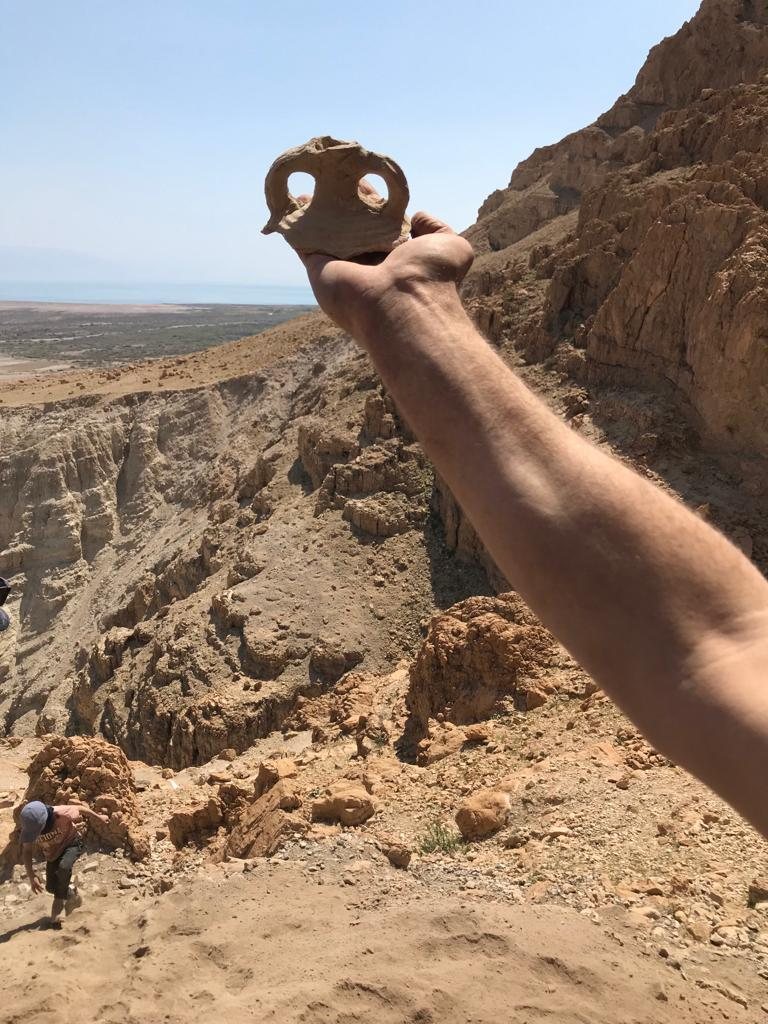
Flask Fragment from Cave 61
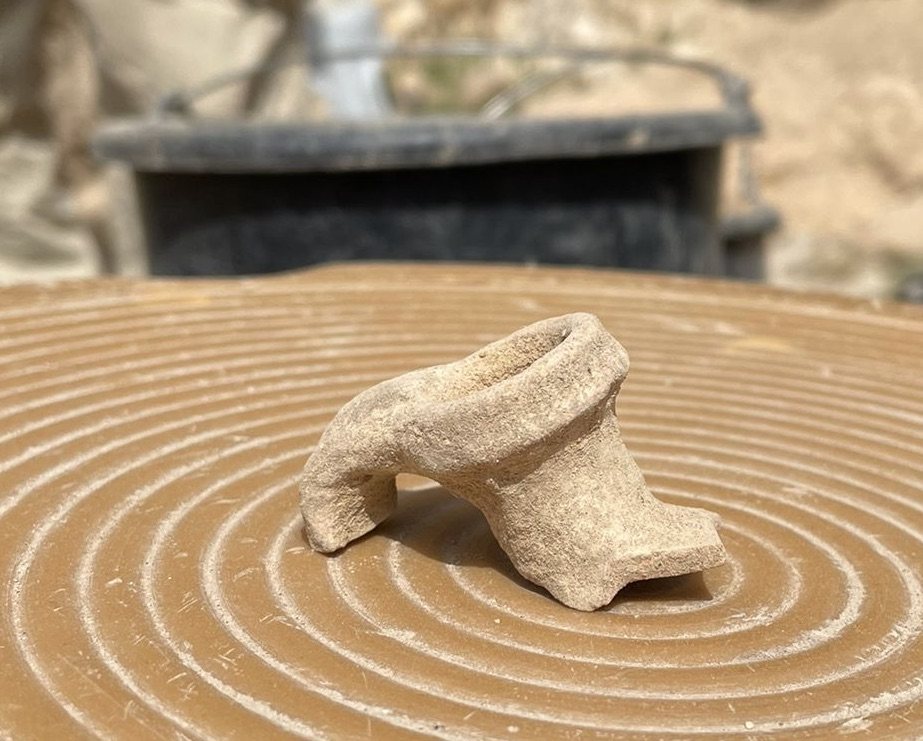
Fragment of a Second Temple Period Jug from Cave 61
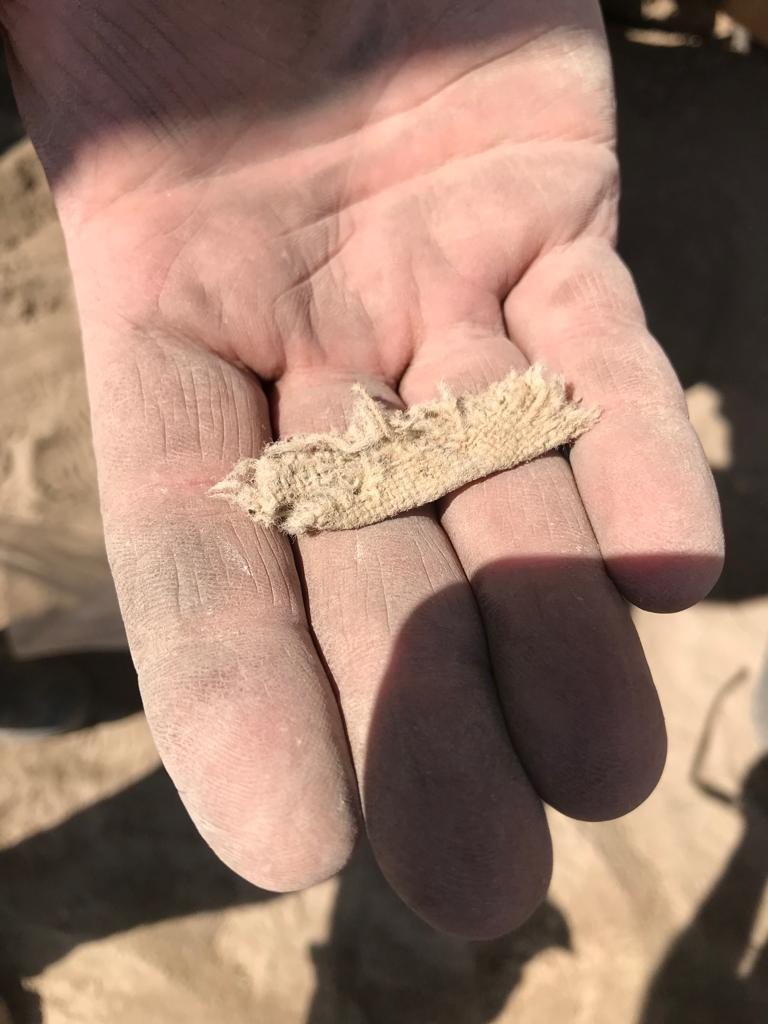
Linen Textile Discovered in Cave 61
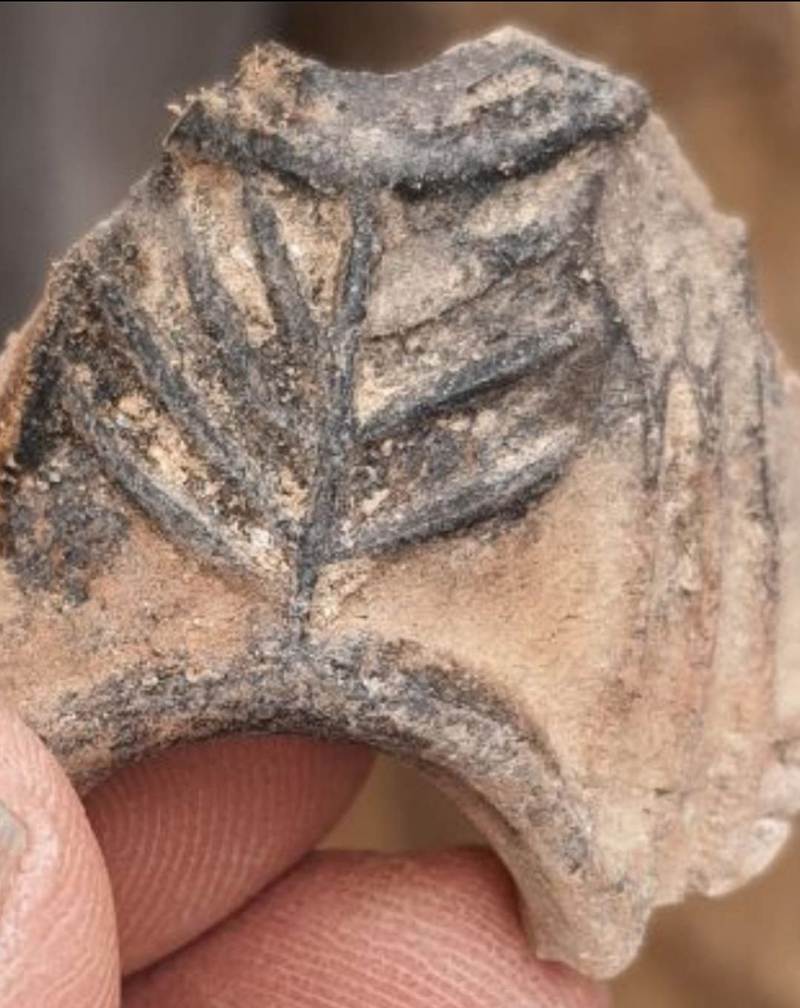
Fragment of a Byzantine-Period Lamp
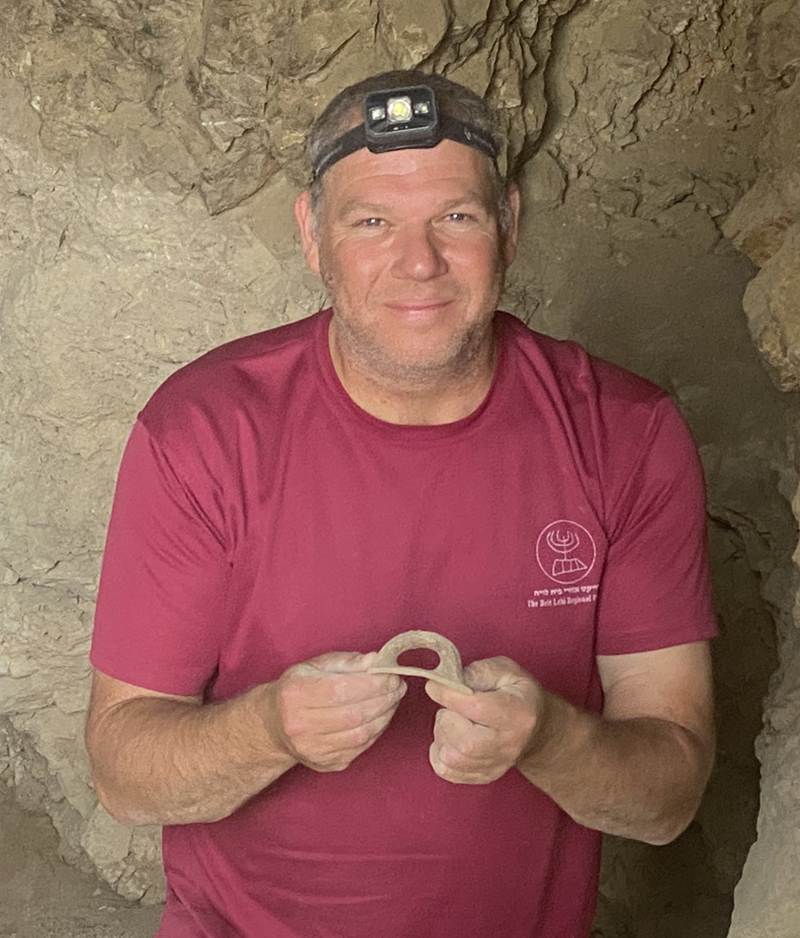
Dr. Oren Gutfeld Examines the Handle of a Cooking Pot from Cave 61
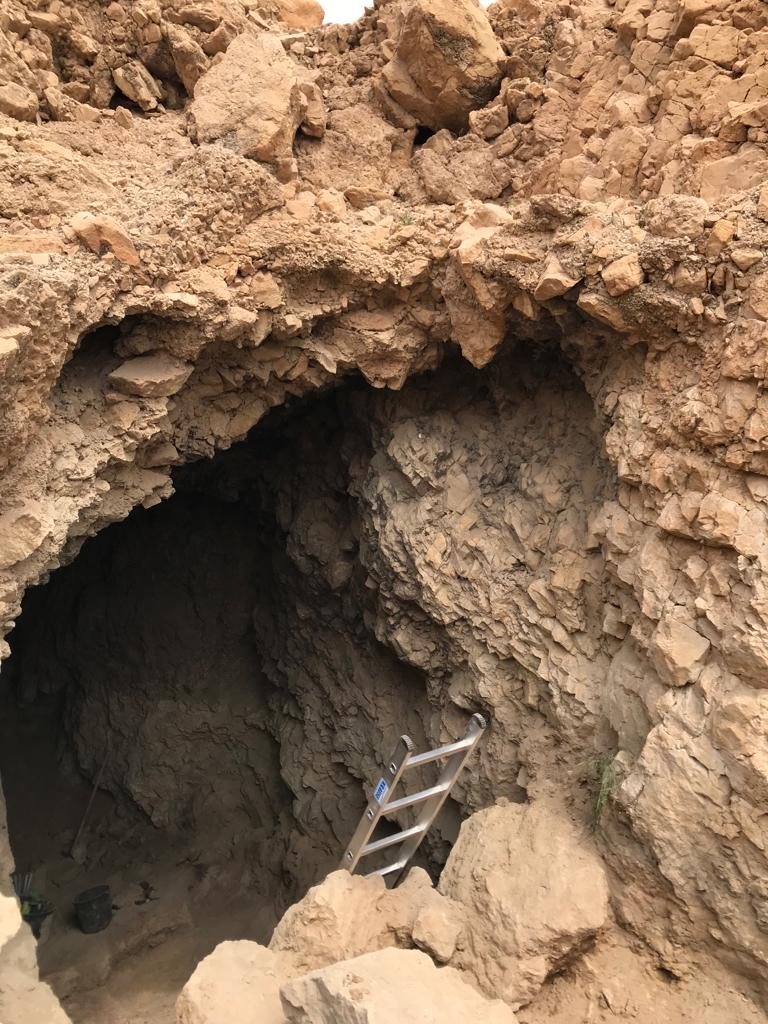
The Entrance to Cave 61, After Three Weeks of Excavation
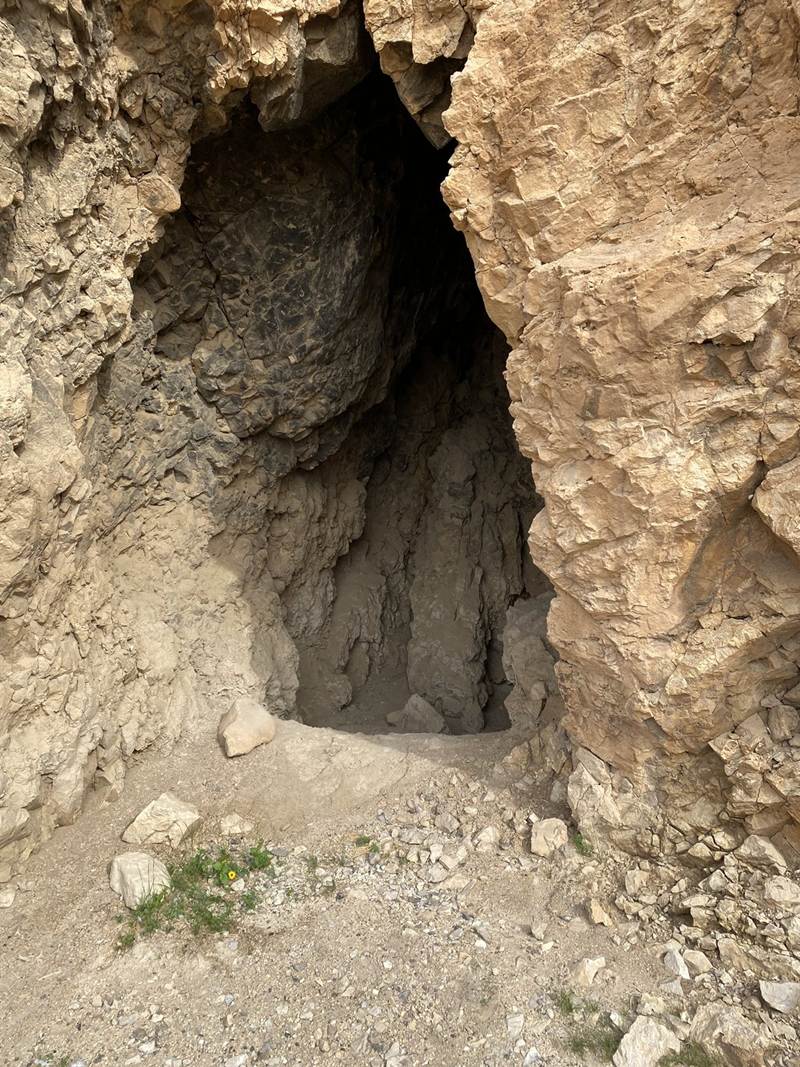
Small Cave Adjacent to Cave 61
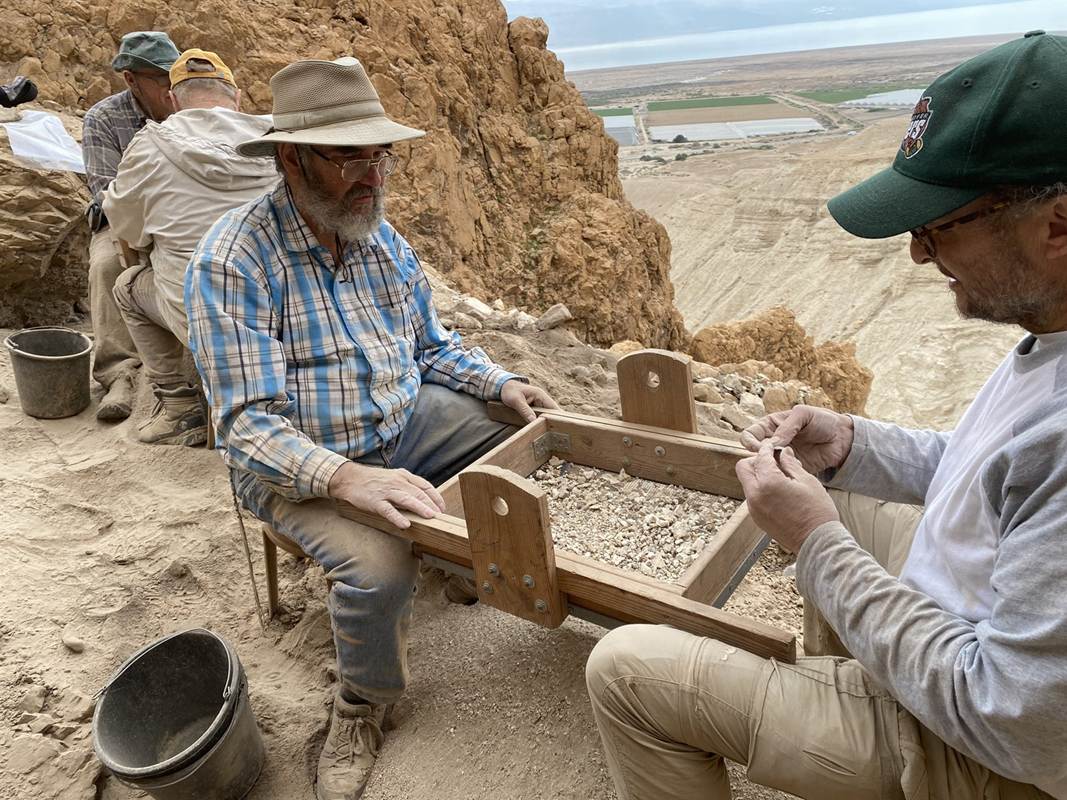
Ed Truitt and Chaim Hayman at a Sifting Station Outside Cave 61
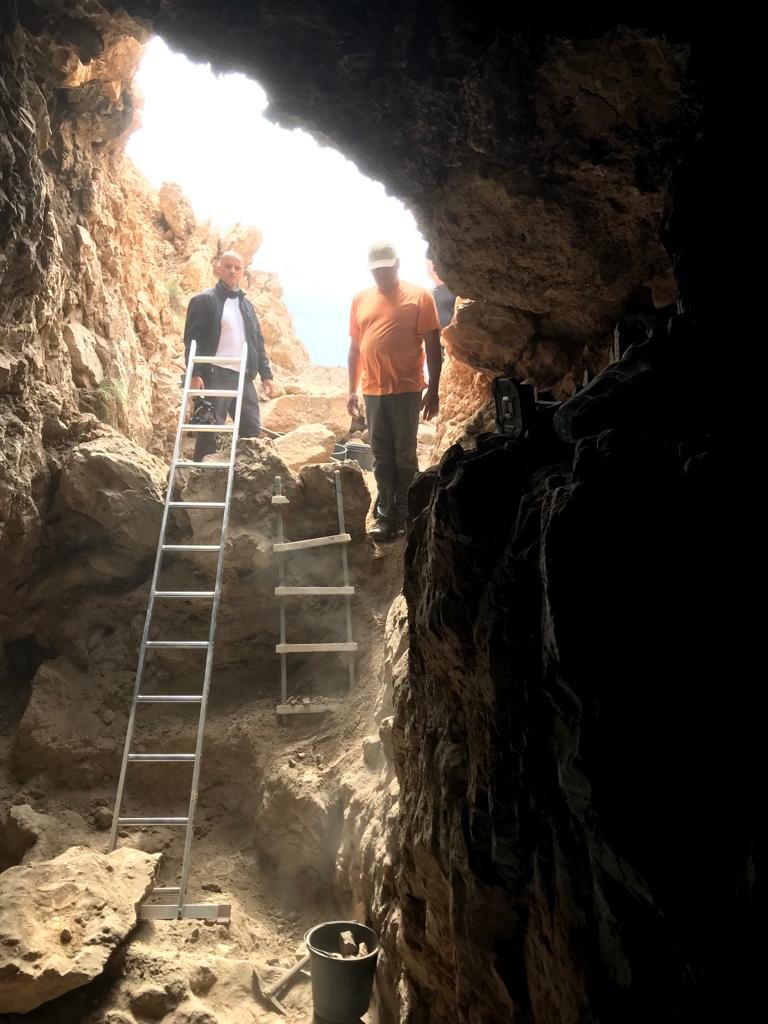
After 3 Weeks of Excavation, Long Ladders are Needed to Reach the Cave Floor that is Now 4-5 Meters Below the Surface
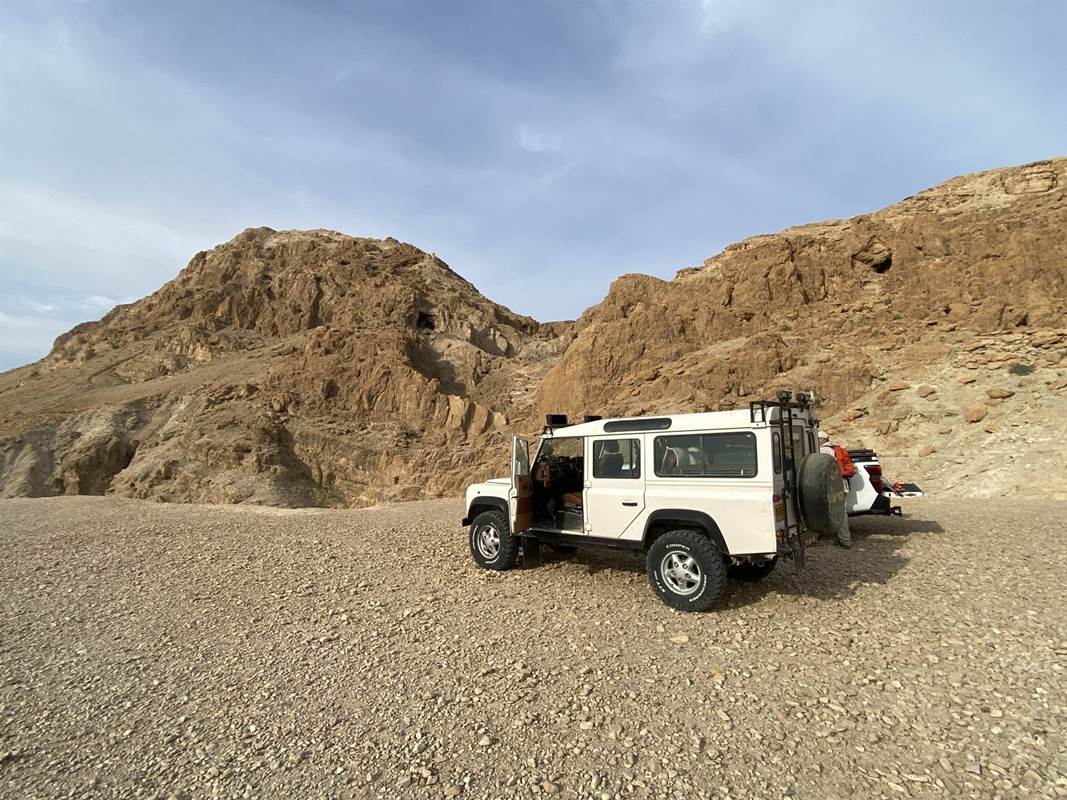
Project Excavation Vehicles Loaded with Gear Preparing for the Excavation
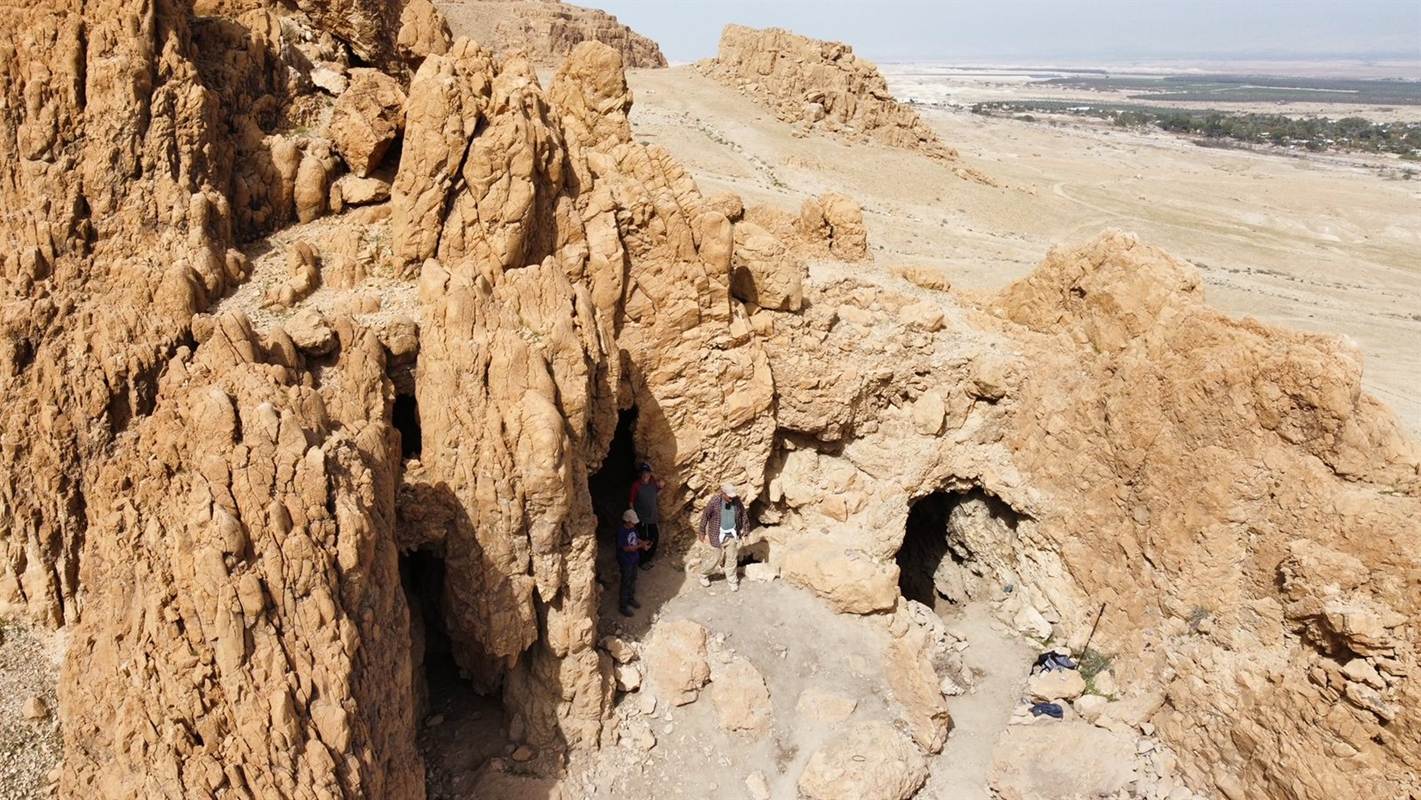
Aerial View of Cave 61 at the End of the Excavation
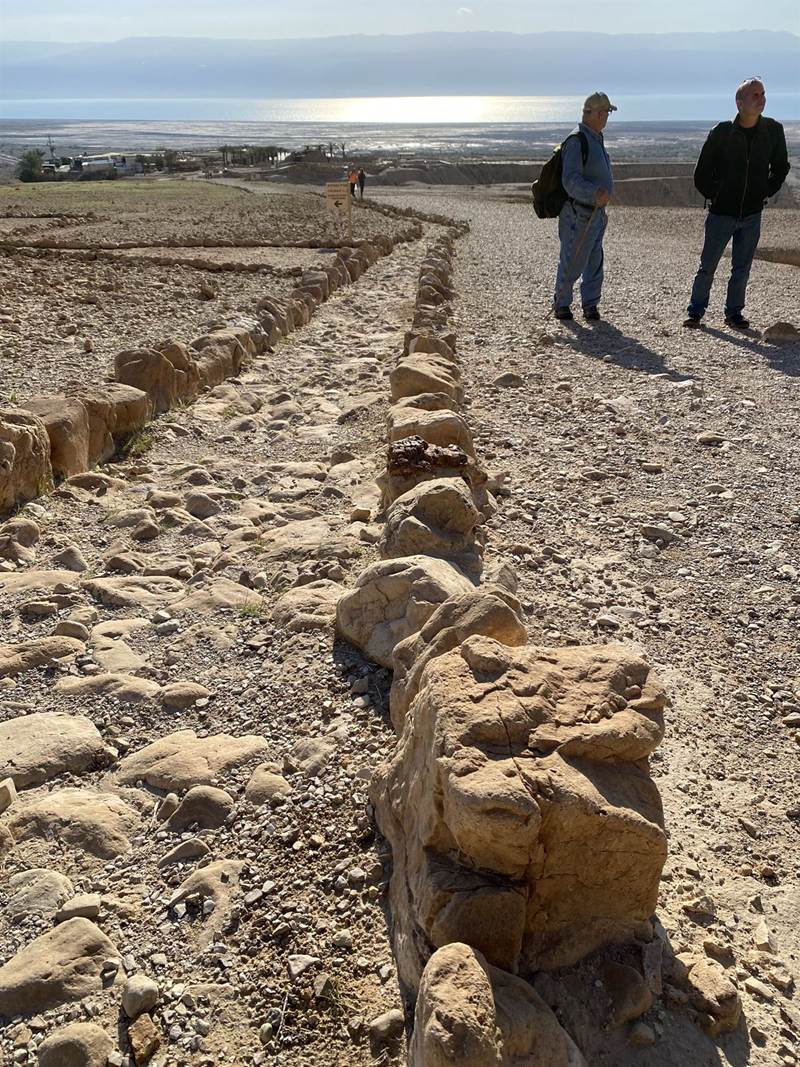
A Shallow Water Course Channels Water Across the Plain, from the Aqueduct in the Cliffs Above, to the Cisterns in the Community
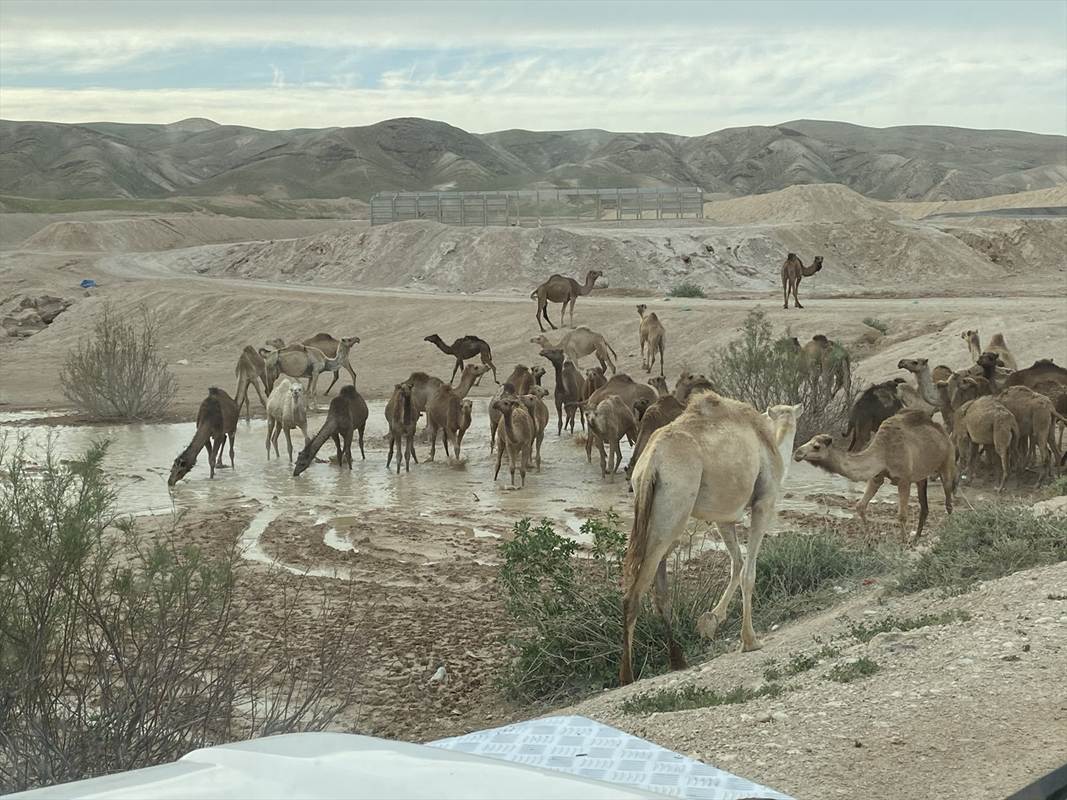
Waterholes Flood After a Heavy Rain Attracting Camels from the Surrounding Area
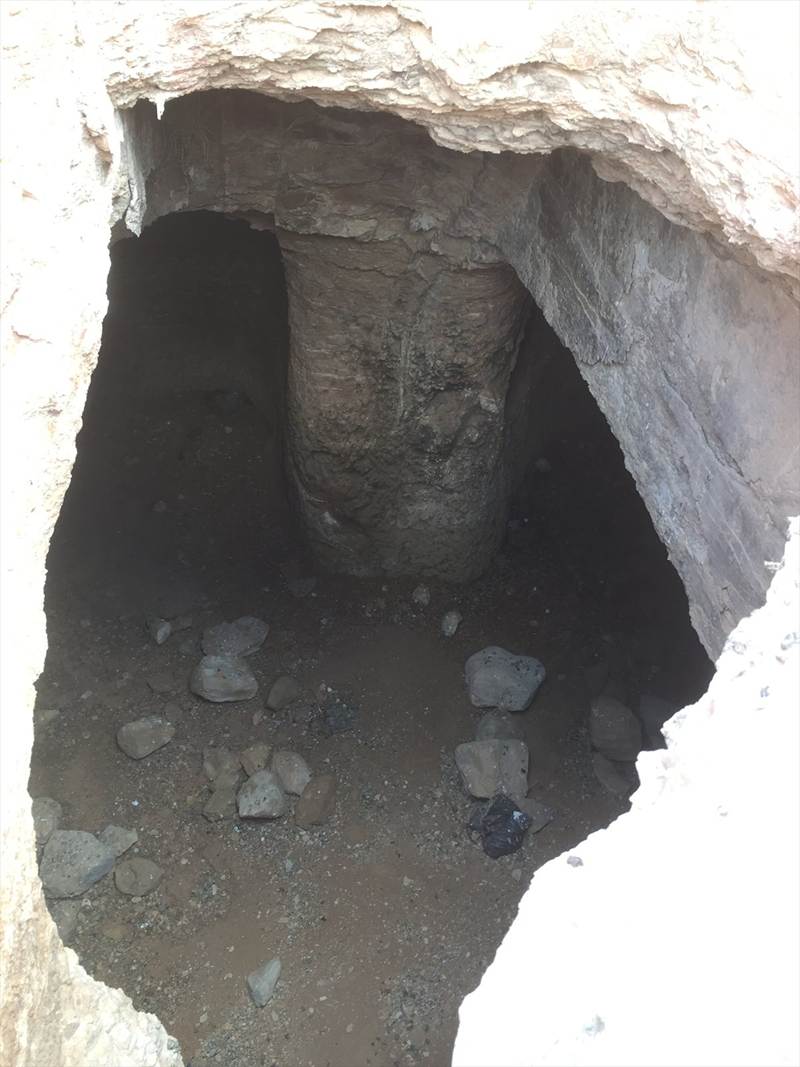
The Cistern Lay Hidden in the Desert Wilderness at Hyrcania, Until a Part of the Roof Collapsed to Reveal its Carefully Carved Support Structure
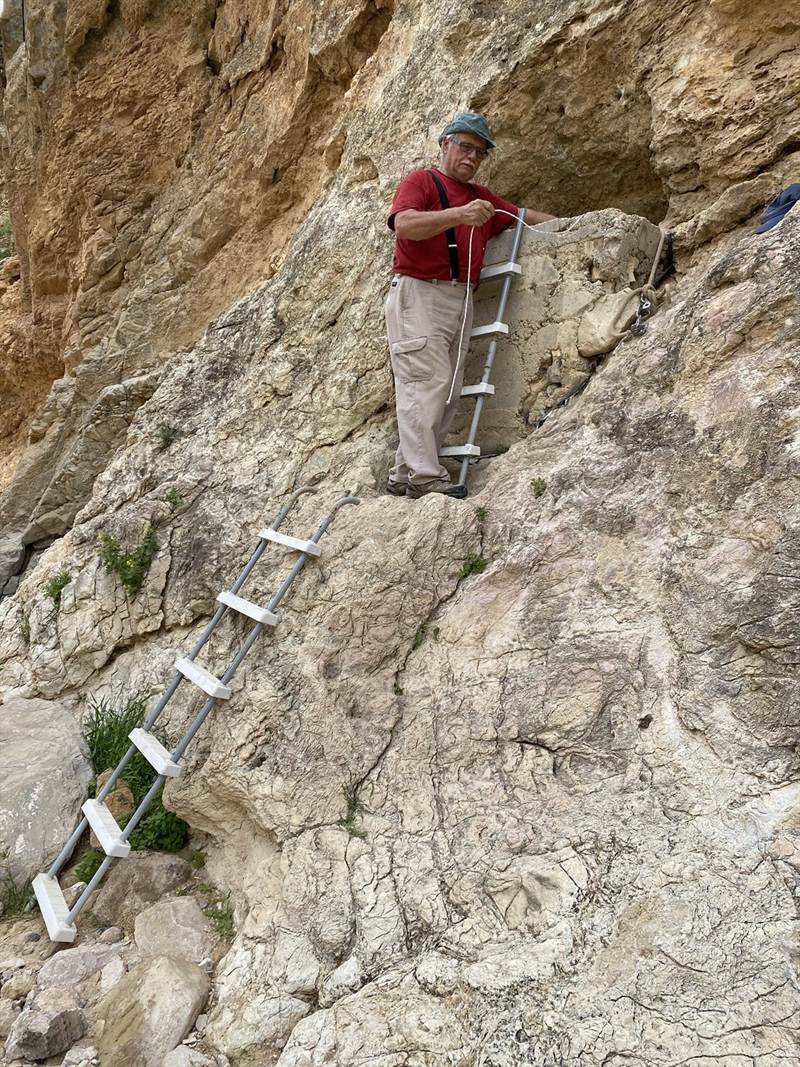
Larry Borntrager Uses Two Ladders in Combination to Facilitate Ease of Entry to Tunnel Number One at Hyrcania
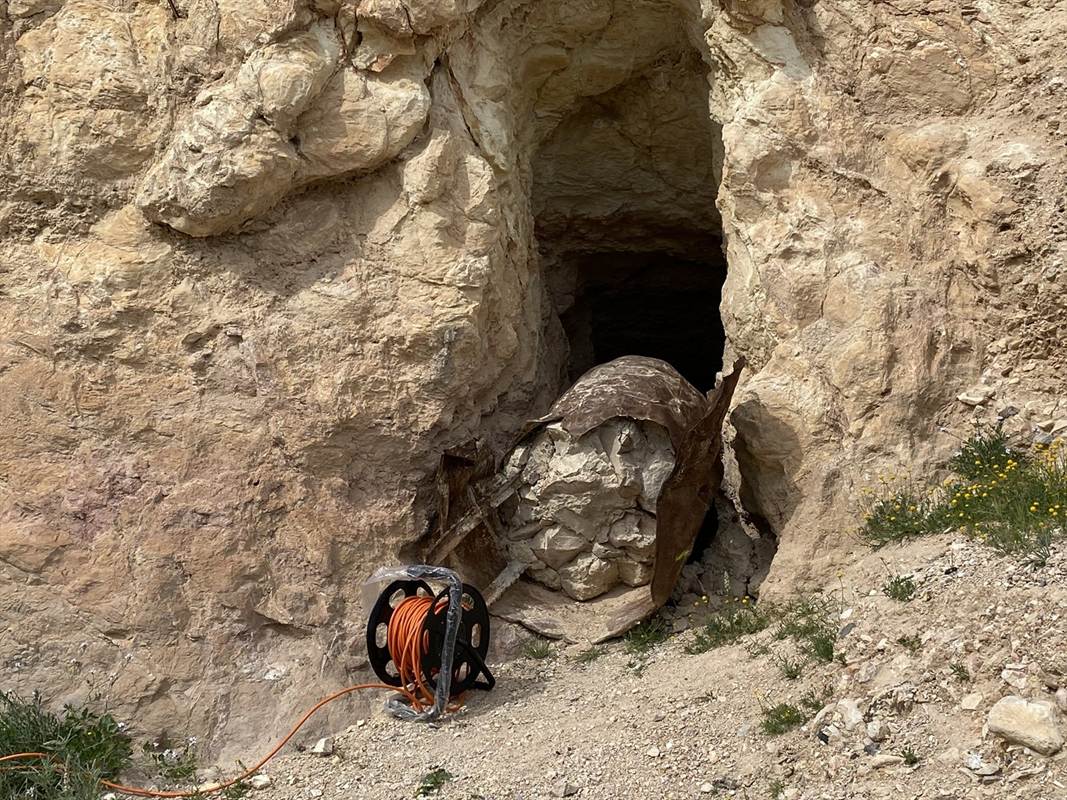
Cable is Run to Supply Power for Use in Tunnel Number Two
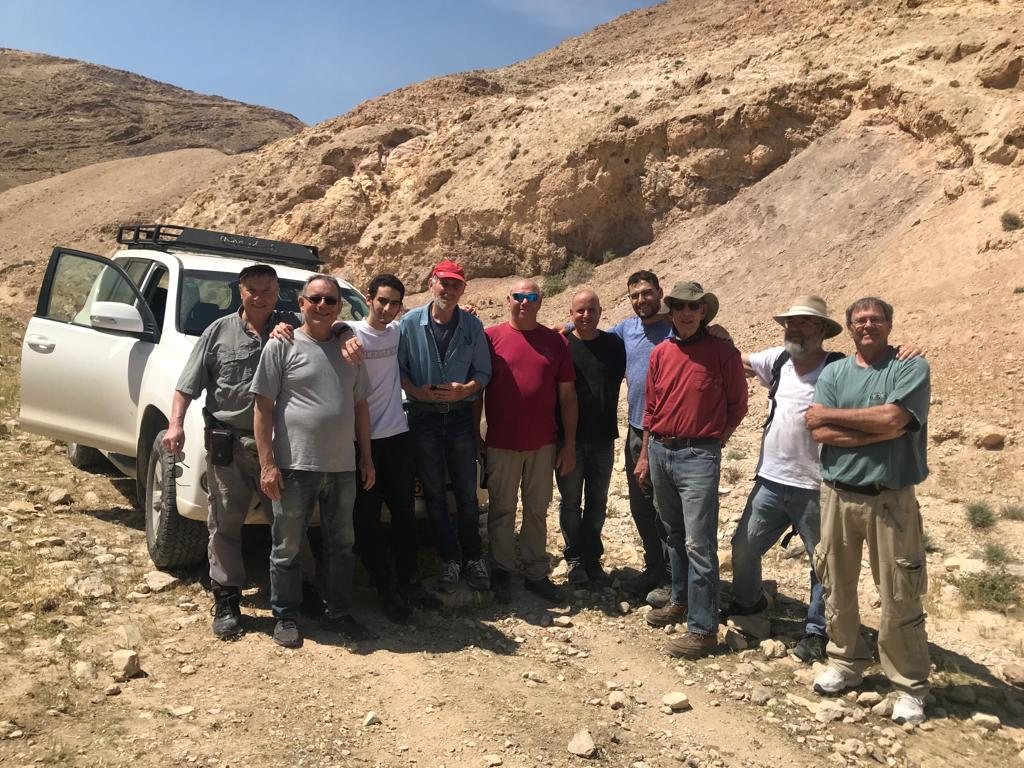
Our Team Poses for a Group Photo After a Hard Day’s Work in the Tunnels
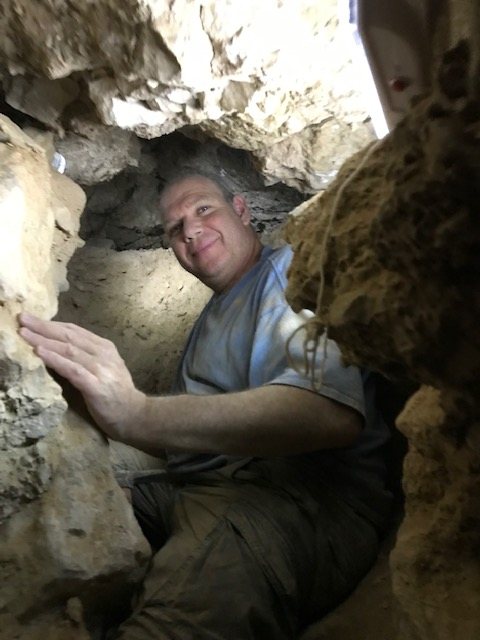
Archaeologist Dr. Oren Gutfeld Squeezes into a Tight Spot in One of the Many Caves at Qumran
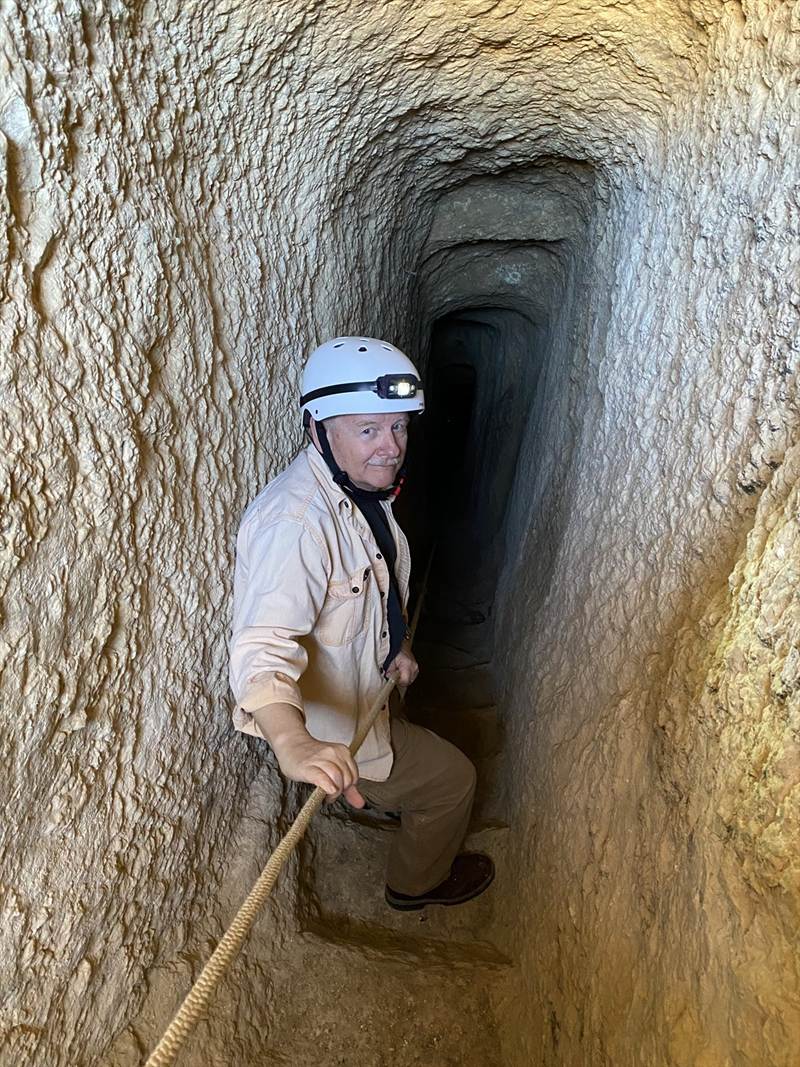
Jim Long, our Documentarian, is Seen Entering Tunnel Number One
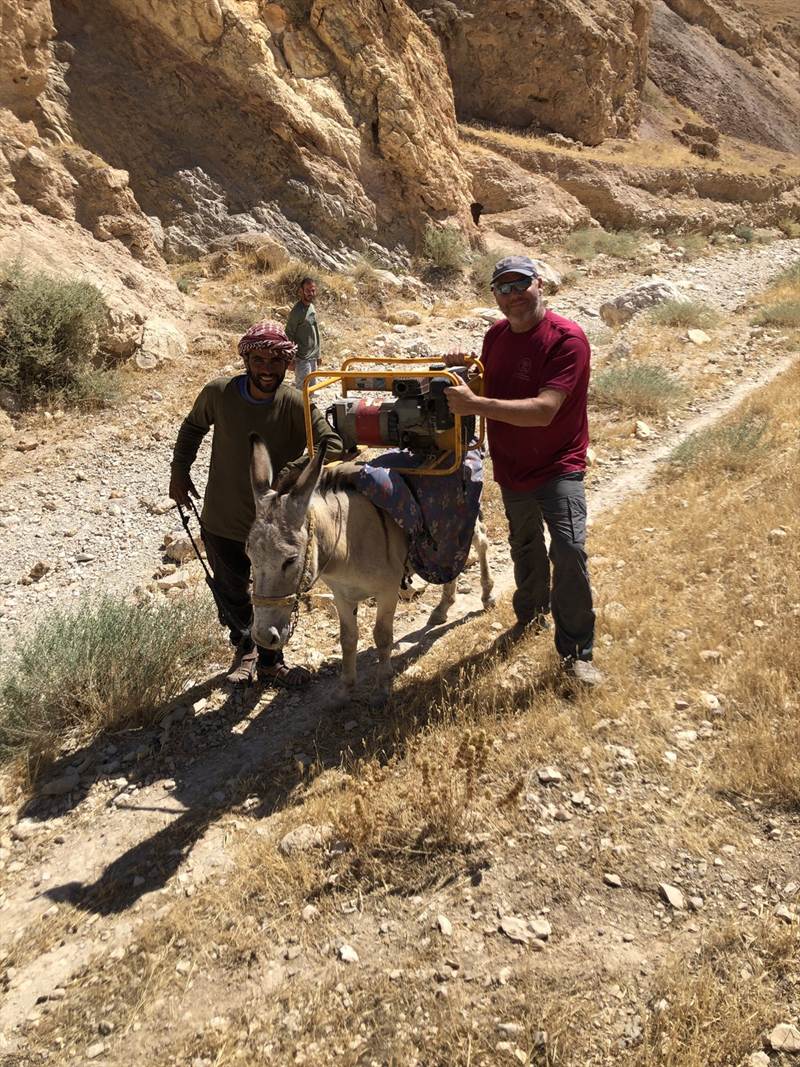
Dr. Oren Gutfeld with a Bedouin Volunteer Transports a Generator Back From Tunnel Number One on the Back of a Donkey
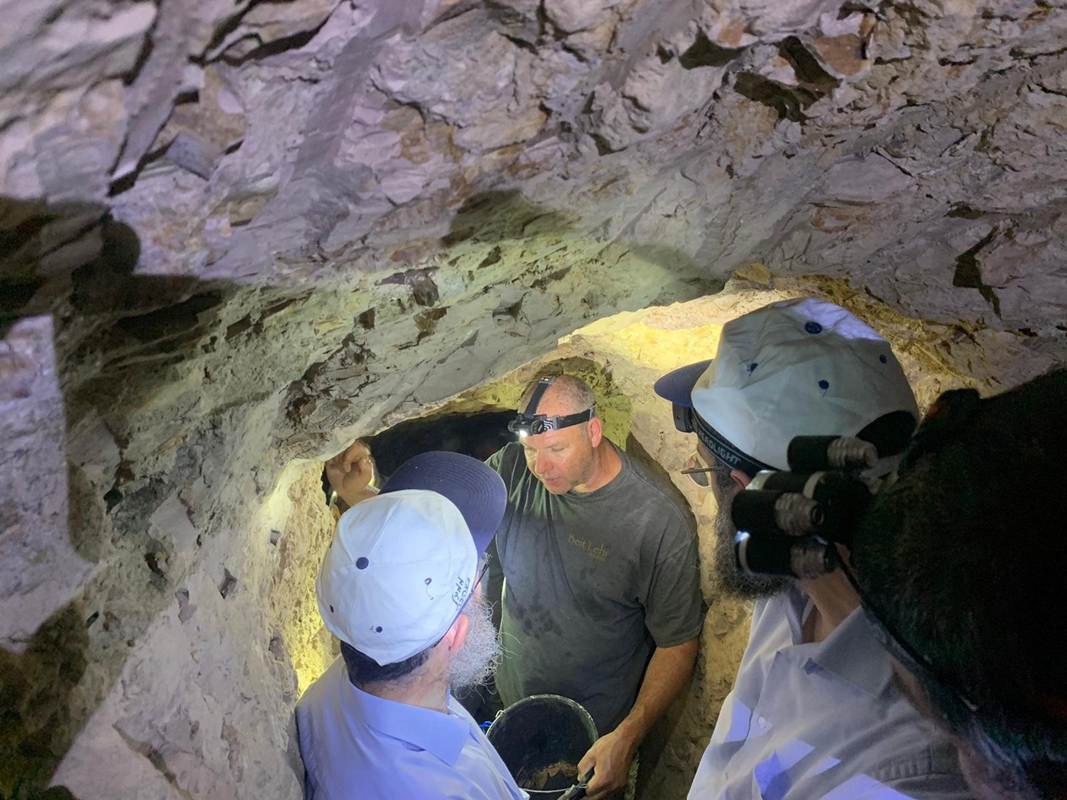
Dr. Oren Gutfeld speaks with rabbis in Tunnel 2 in Nahal Sekhakha.
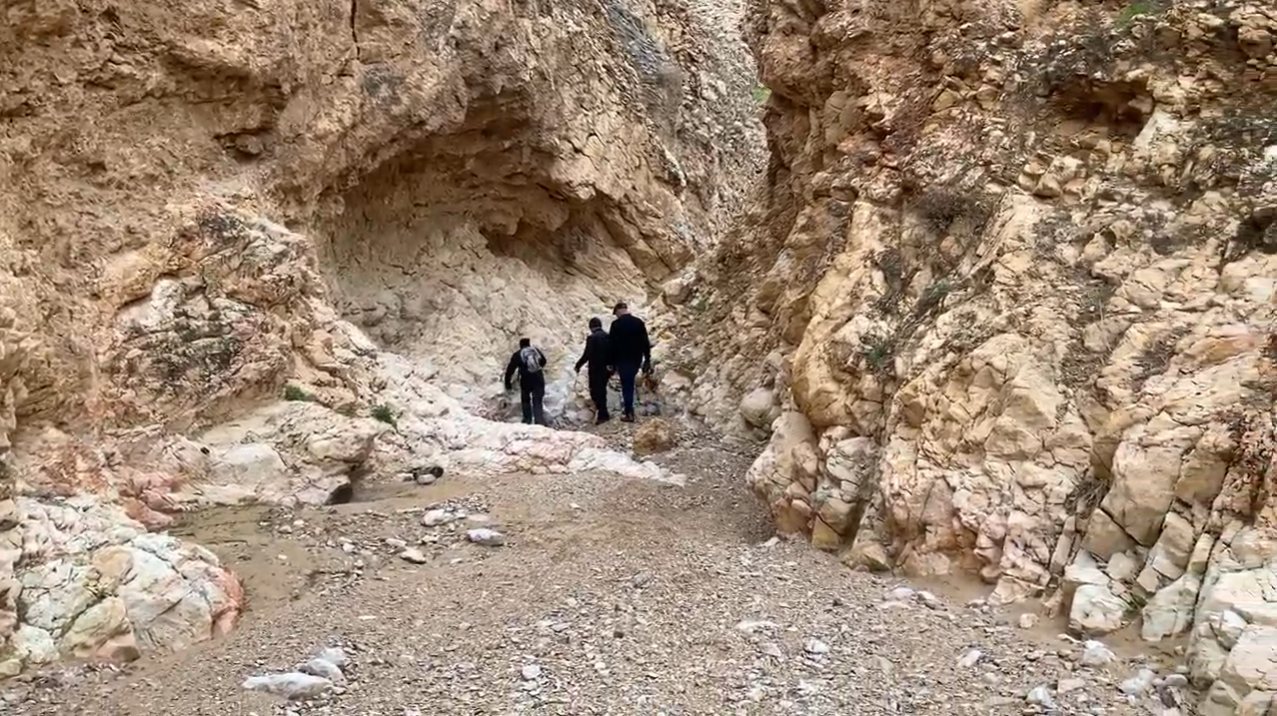
The Crew Walks Through the Wadi as they Head Toward Tunnel Number One
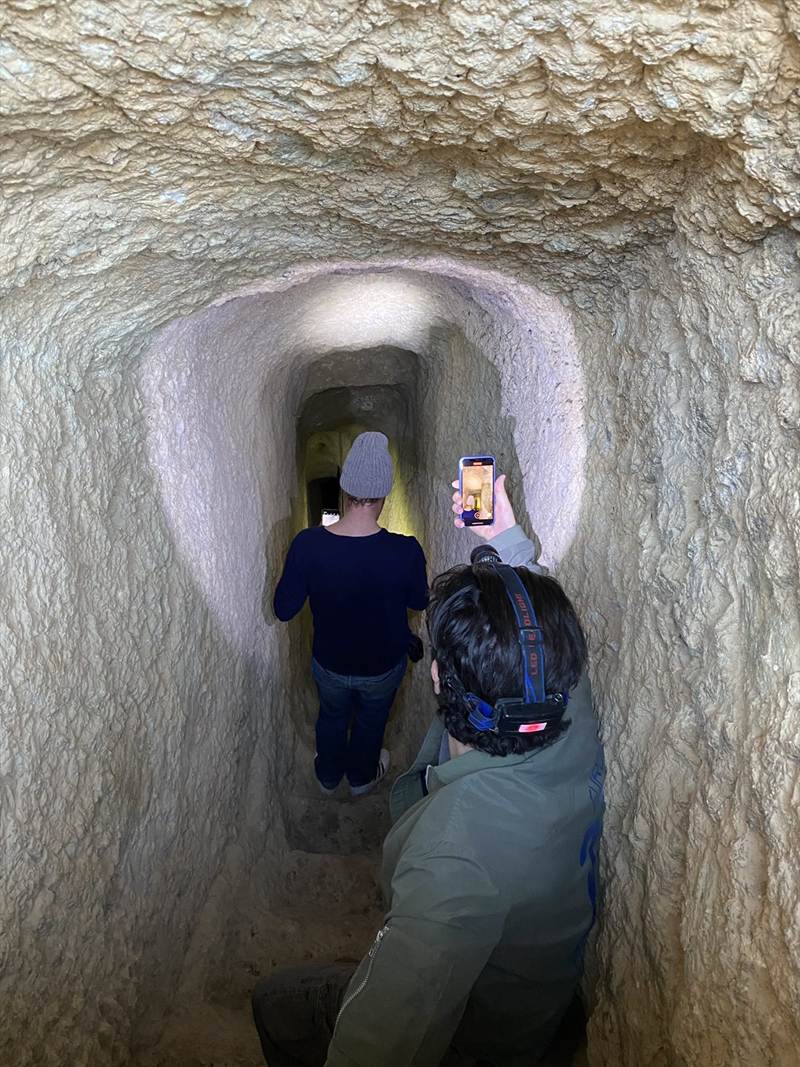
Excavation Volunteers Explore Tunnel Number One for the First Time
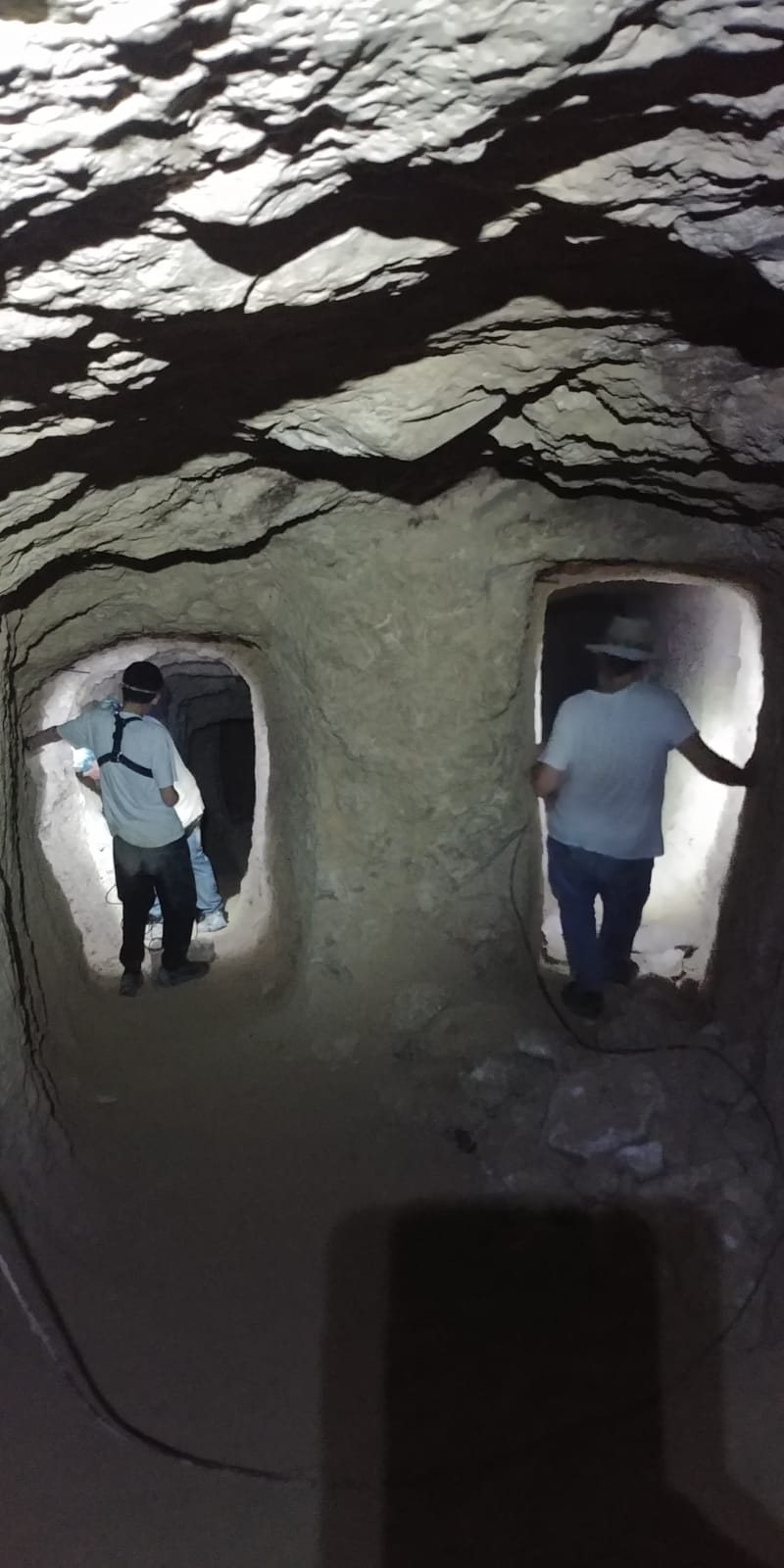
Excavation Volunteers Reach the Gallery in Tunnel One, Where it Splits into Two Different Directions
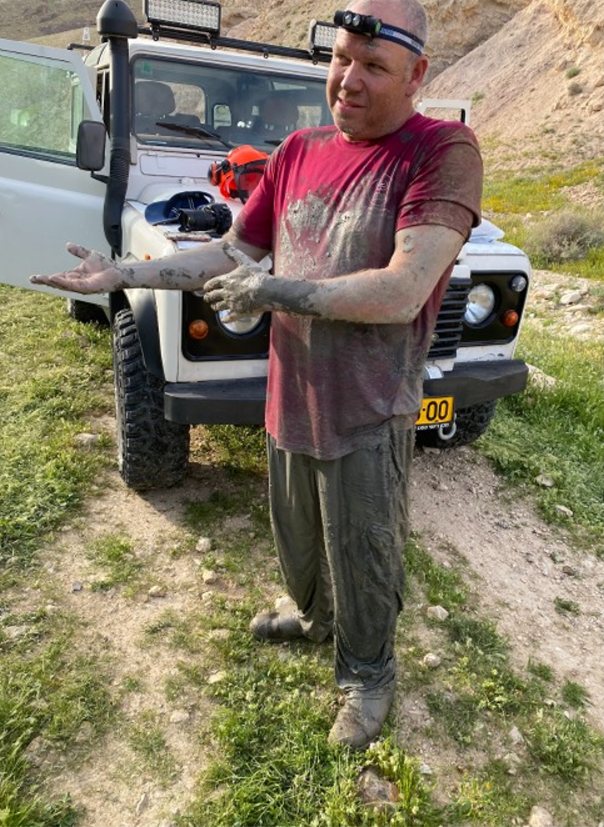
Dr. Oren Gutfeld Covered in Mud from Pumping Water out of Tunnel #2 at Hyrcania
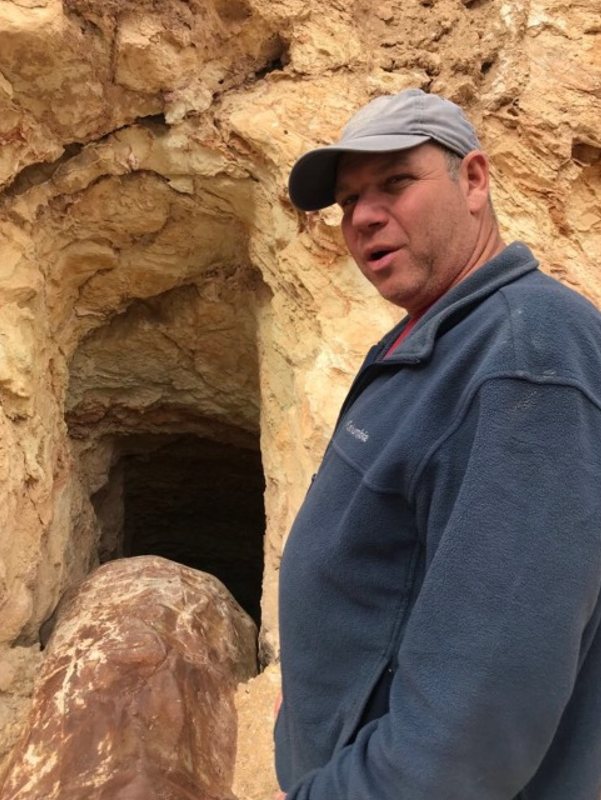
Dr. Oren Gutfeld of the Hebrew University of Jerusalem at the entrance to Tunnel 2 in Nahal Sekhakha
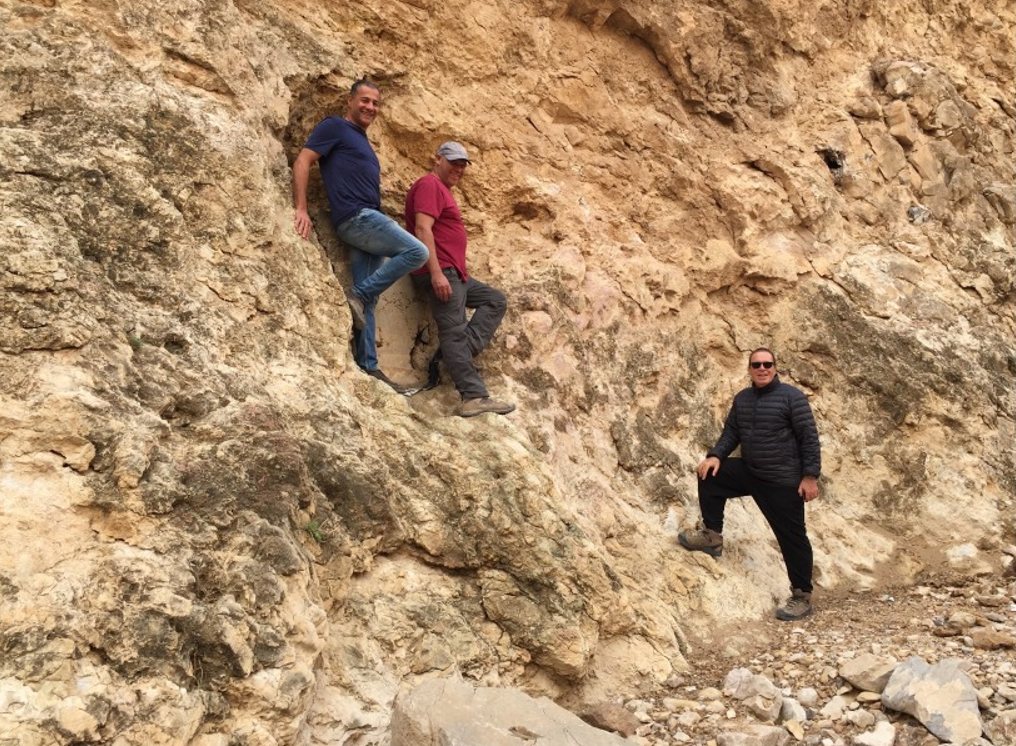
Dr. Oren Gutfeld, Hebrew University; Dr. Uri Basson and PQ Director Shlomi Pilo at Tunnel #1 — Hyrcania
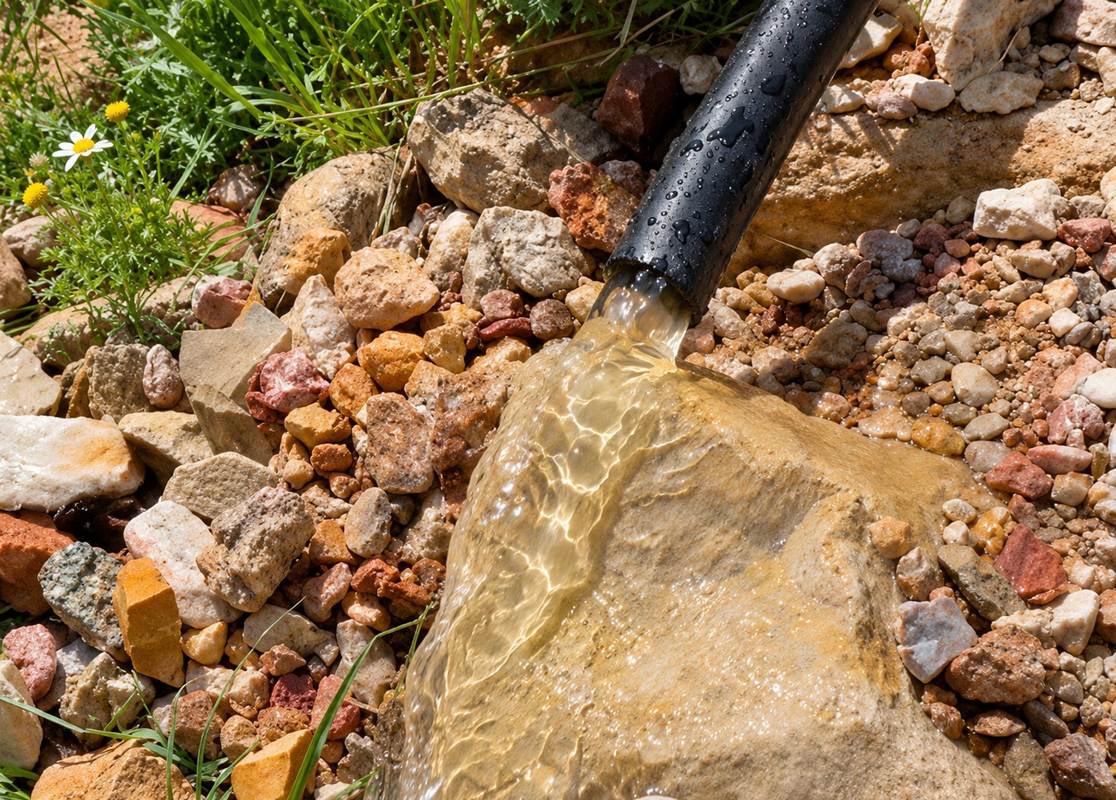
Water pumped out of the tunnel to gain entrance.
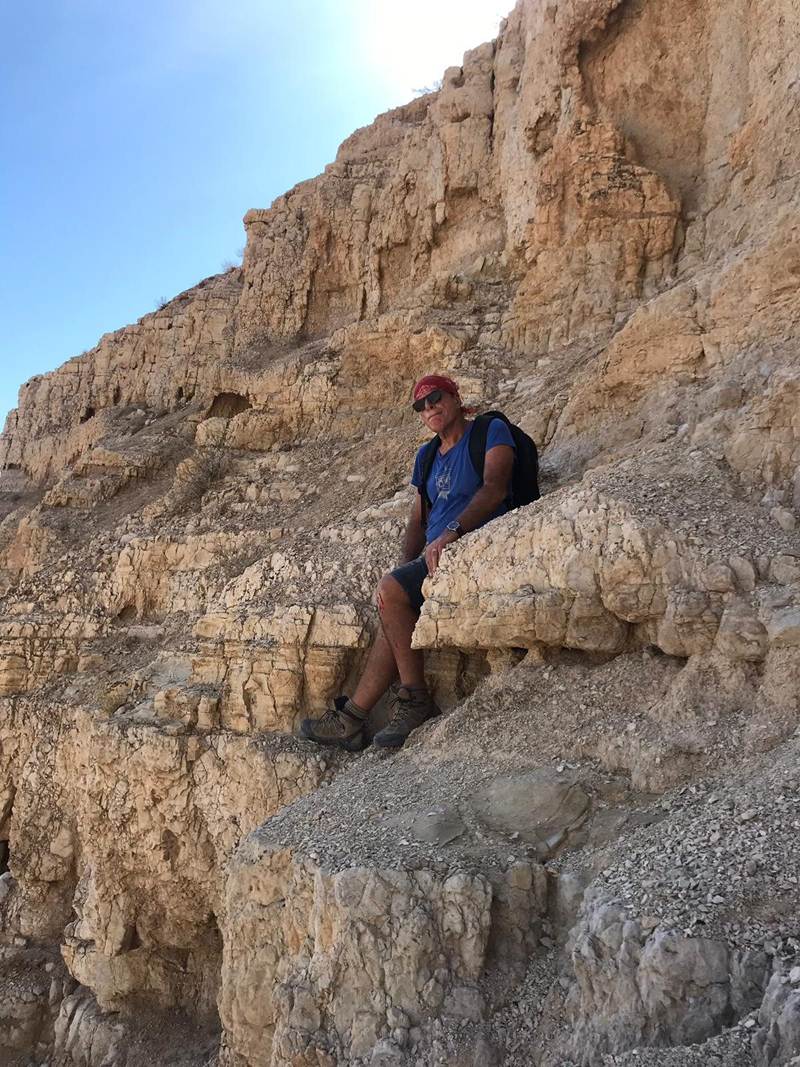
Shlomi Pilo at the summit of the Qumran cliffs, overlooking the plateau, following his exploration of two east-facing openings identified as potential candidates for another Cave of Column
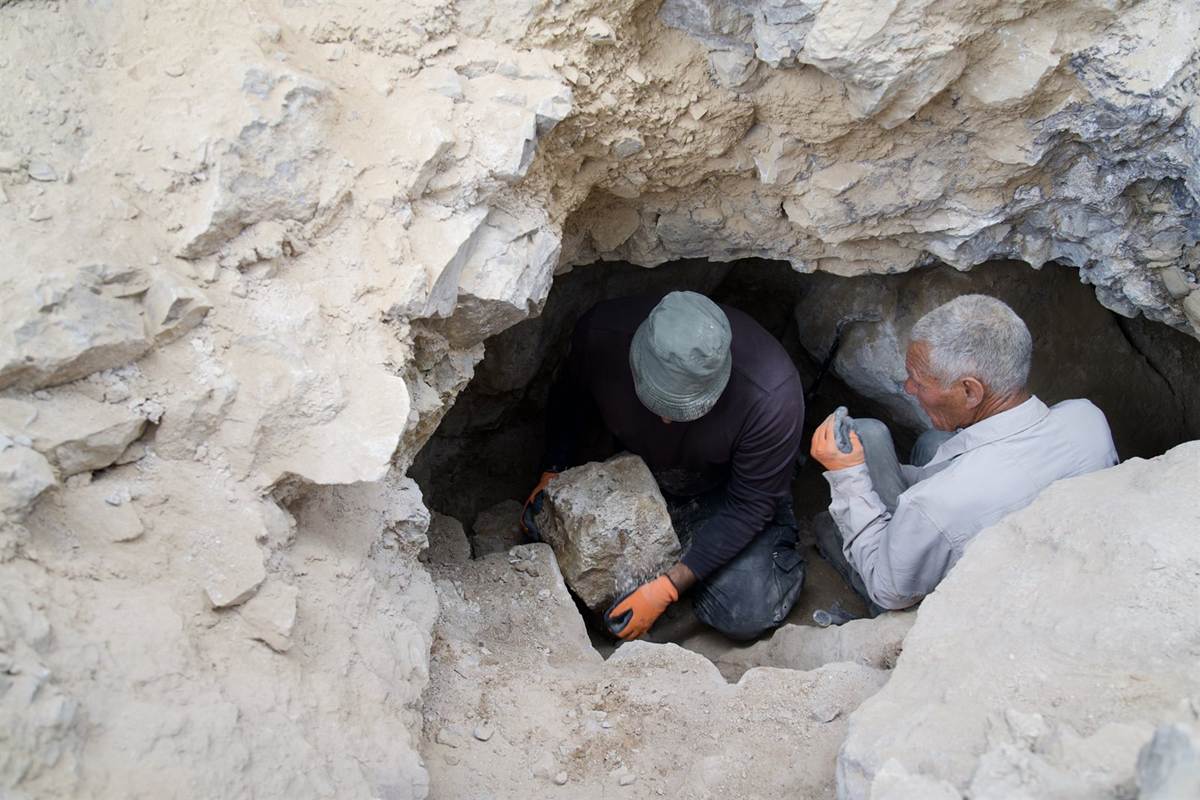
Hebrew University Archaeologist Yedidia Tzabari Prepares to Remove a Heavy Boulder While Excavating the Hidden Chamber
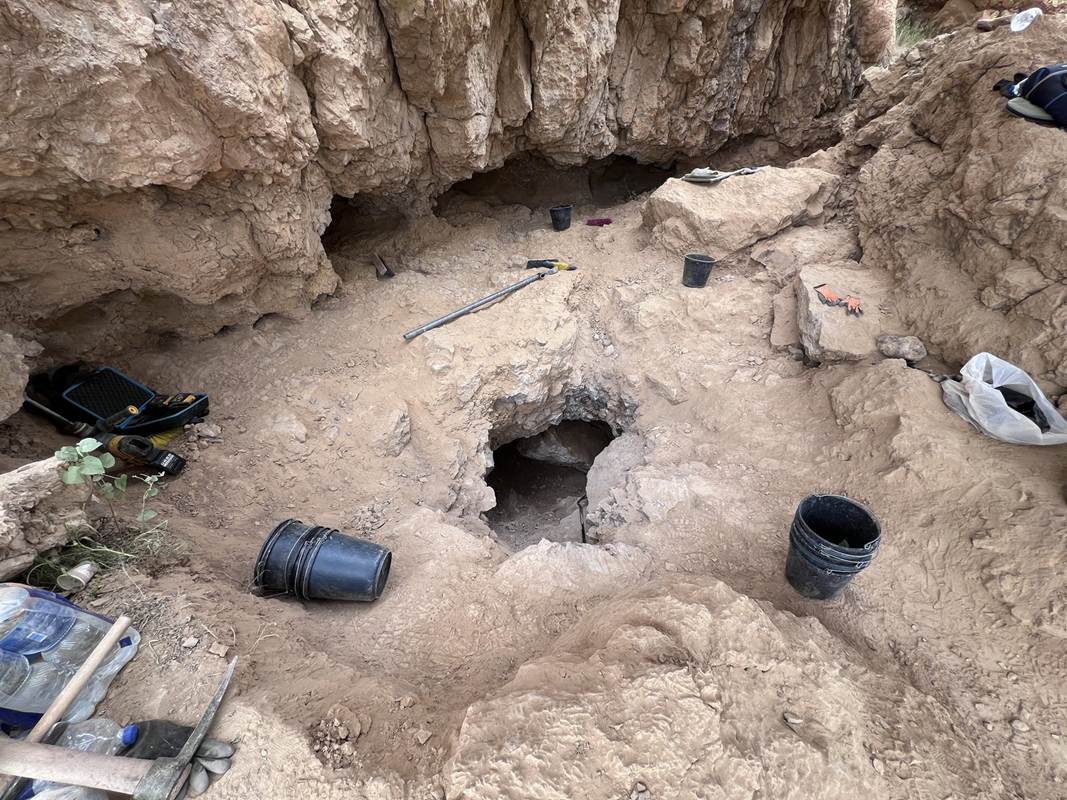
Aerial View of the Entrance into the Hidden Cave that Runs Parallel to the Twin Caves
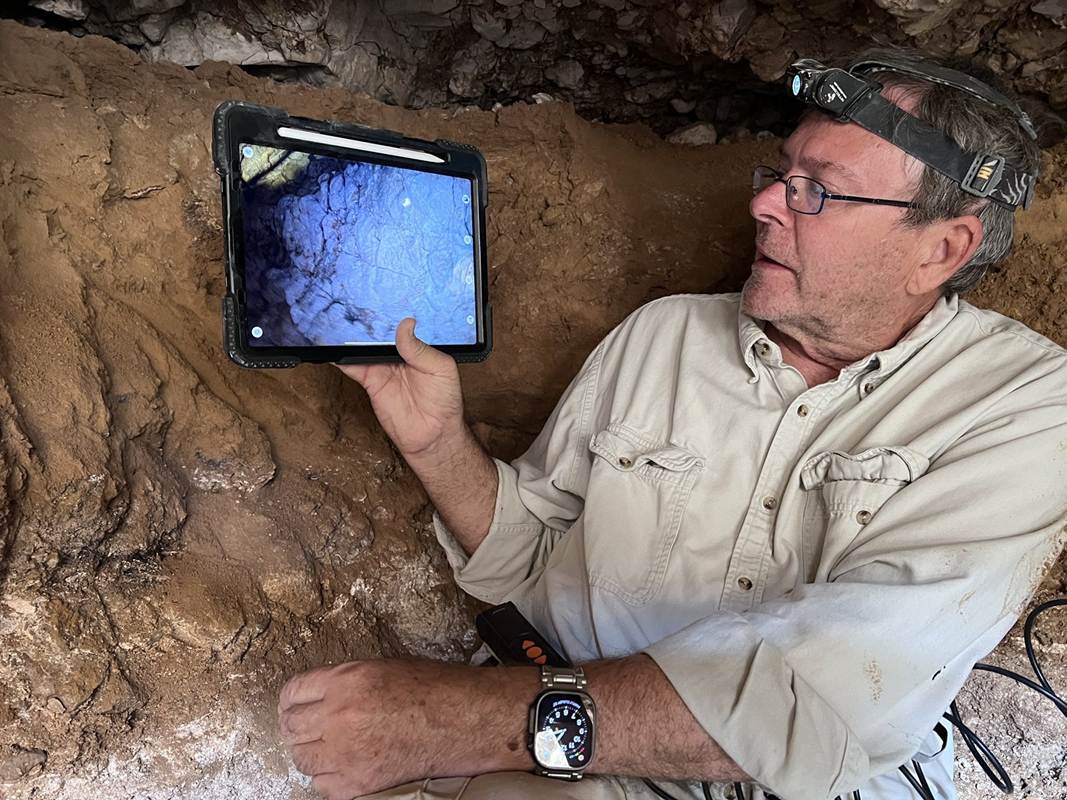
Project Qumran Founder & Advisor David Ben Avraham — Theorizing the Presence of a Hidden Cave — Here Shows the Results of the Endoscopic Imaging that Reveal its Existence
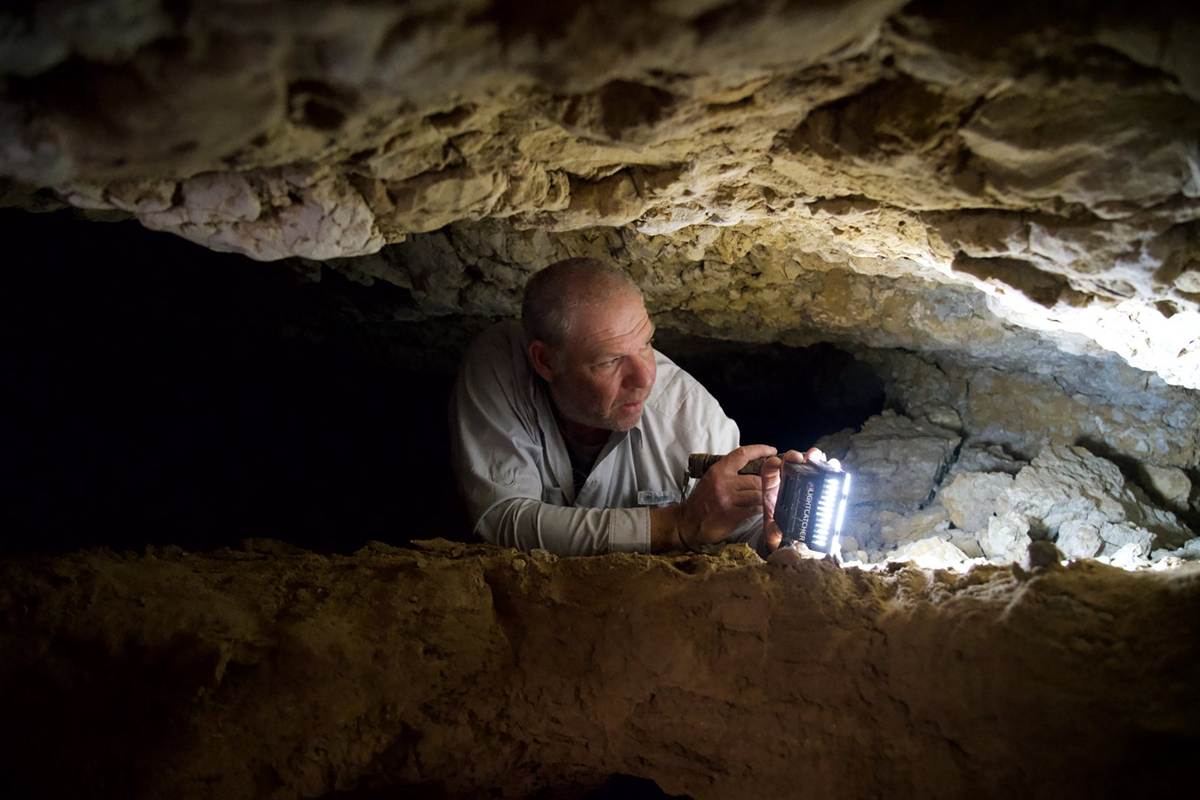
Dr. Oren Gutfeld of Hebrew University Explores the Hidden Cave After it is Opened
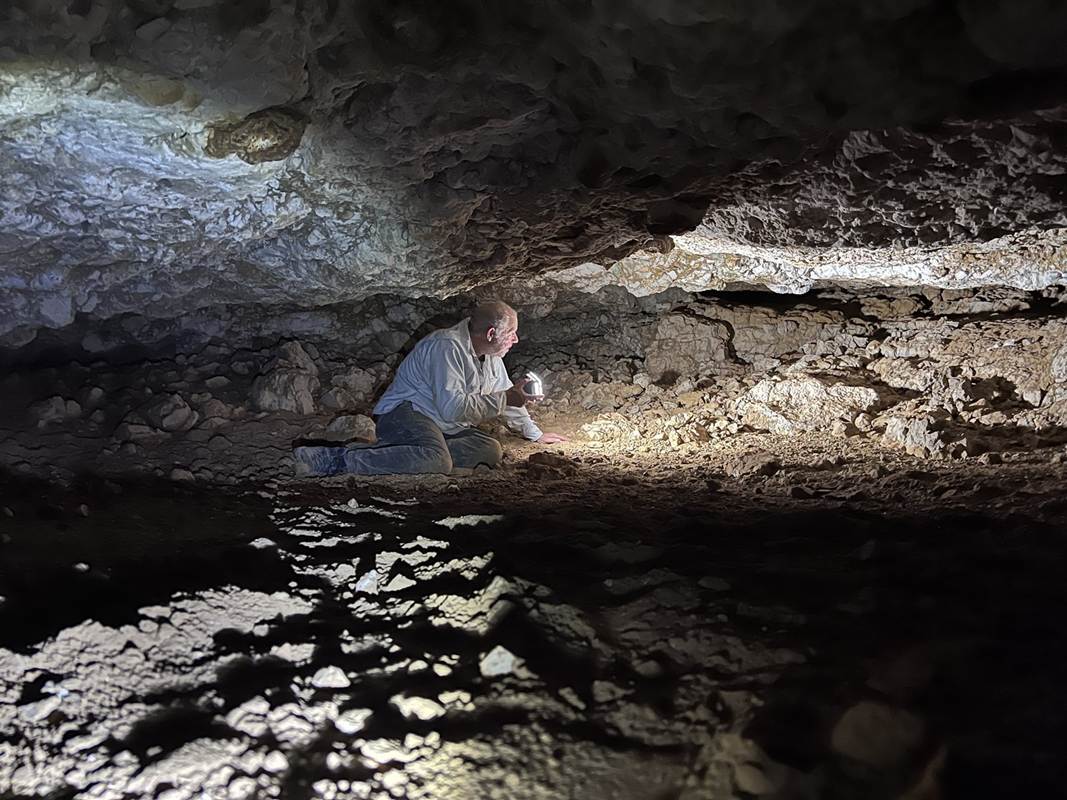
Dr. Oren Gutfeld Explores the Extent of the Hidden Cave
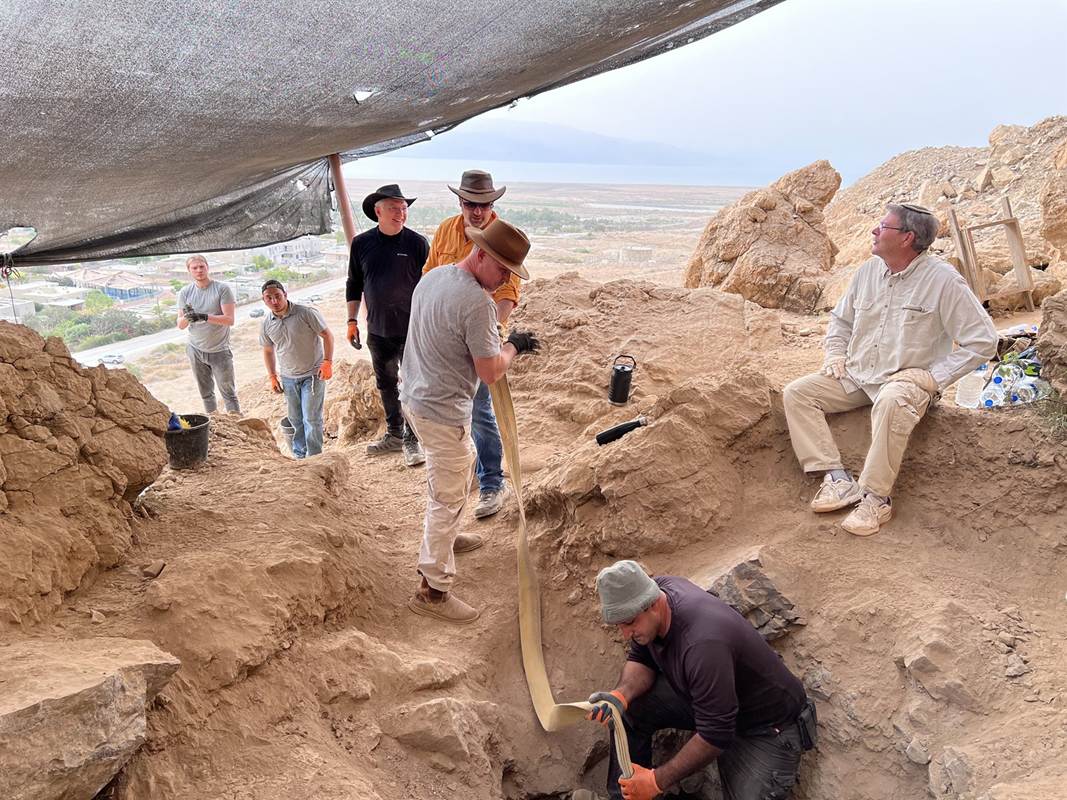
Archaeologist Yedidia Tzabari and Pastor Greg Locke, from the United States, Set Straps to Remove Boulders Blocking the Entrance
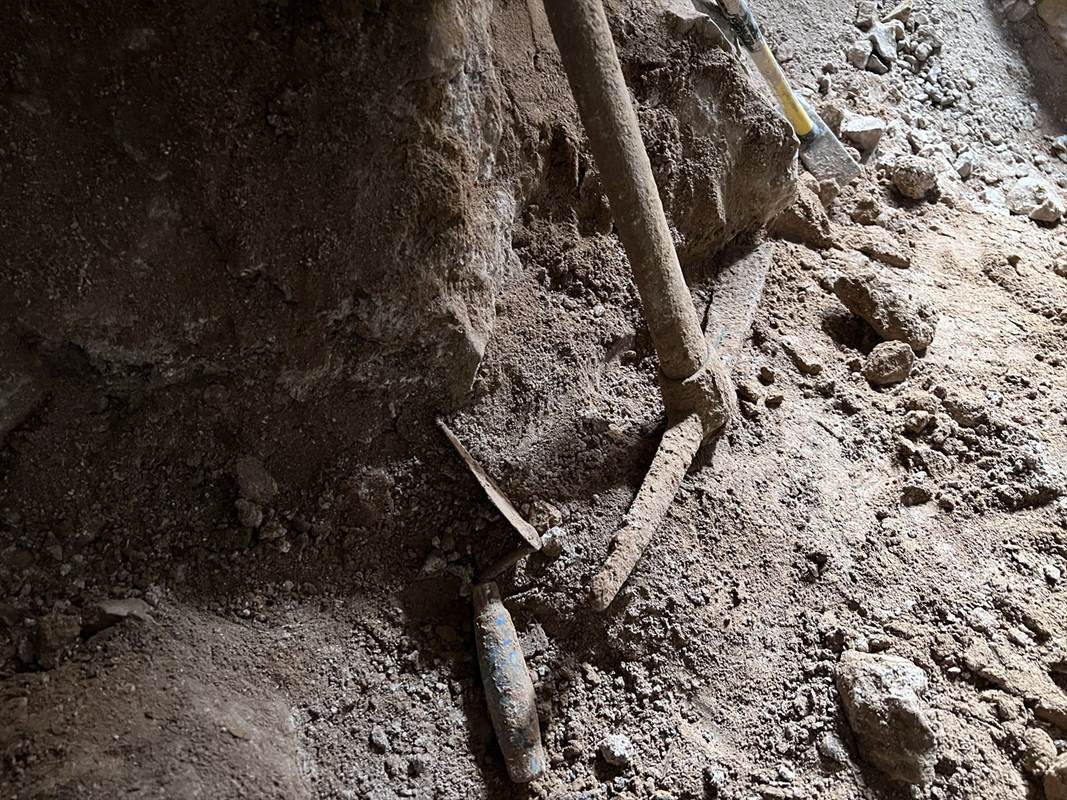
Archaeology — Shown Here in the Hidden Cave along with the Classic Tools of Excavation
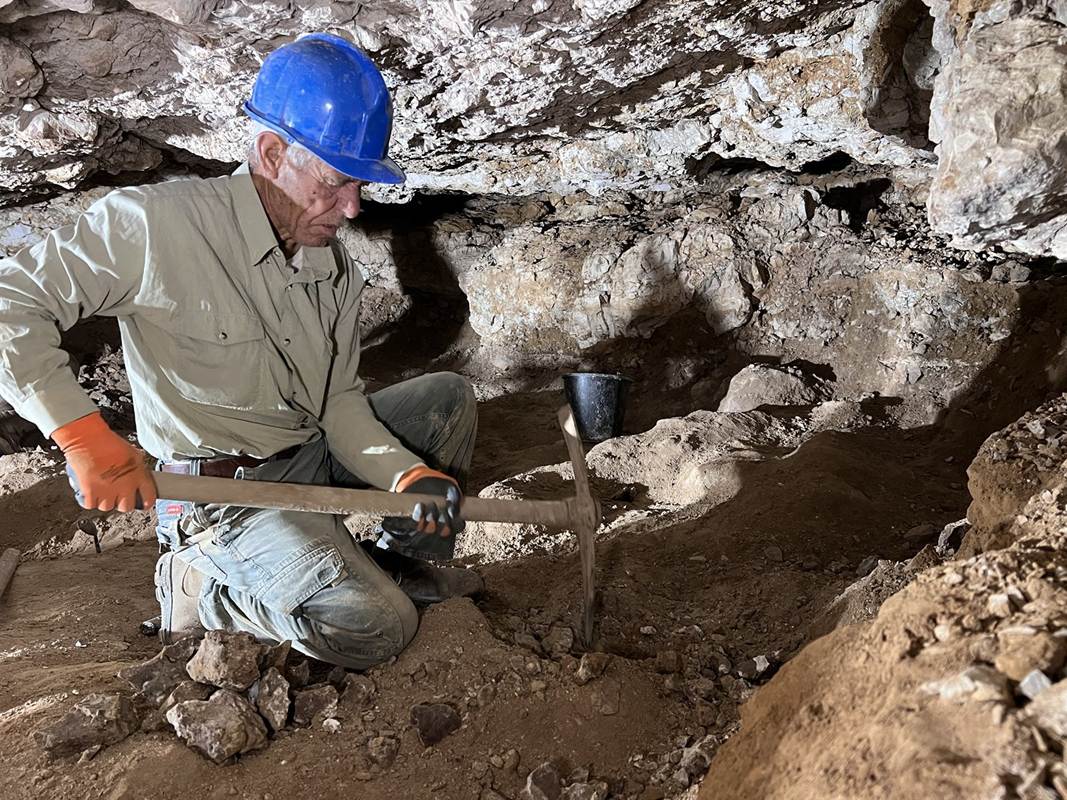
Yusuf Abu Amaria, Manager of our Professional Crew of Excavators, is Seen Here Enlarging the Entrance into the Cave
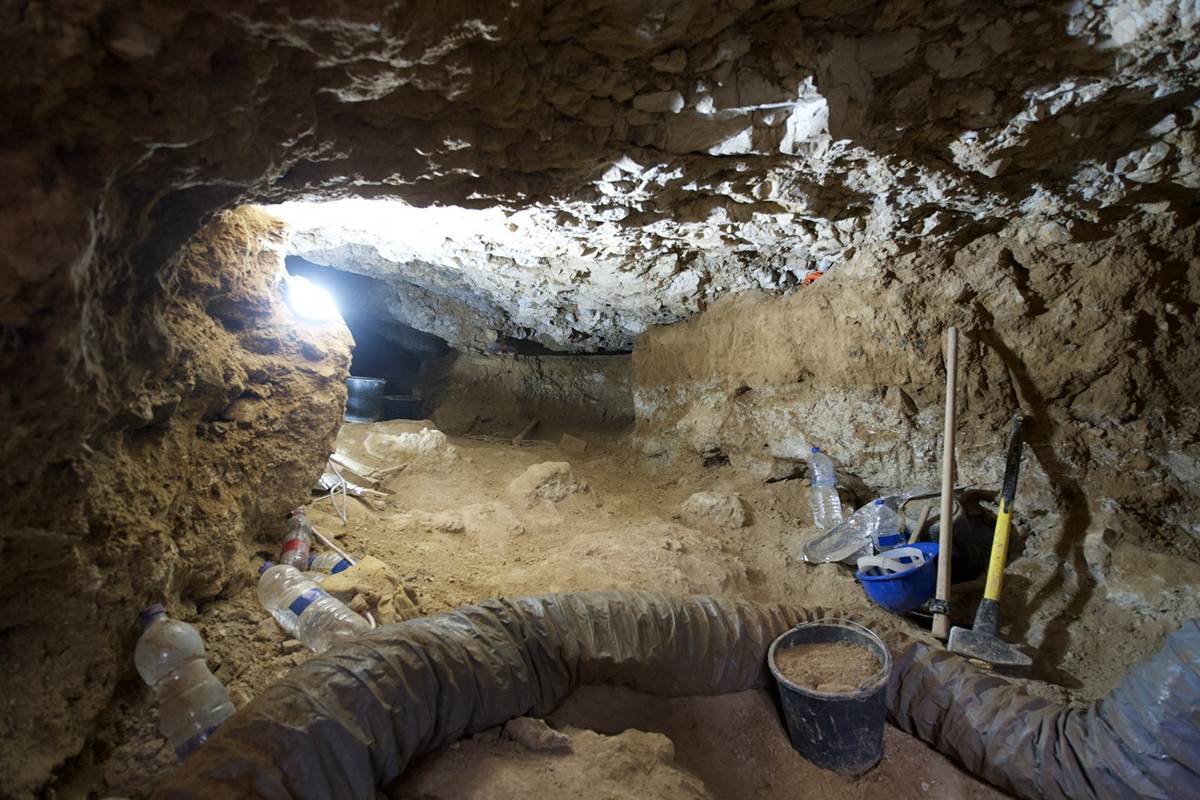
Day 16 — The Crew Expands the Passage into the Depths of the Cave and Runs Ductwork to Circulate Fresh Air
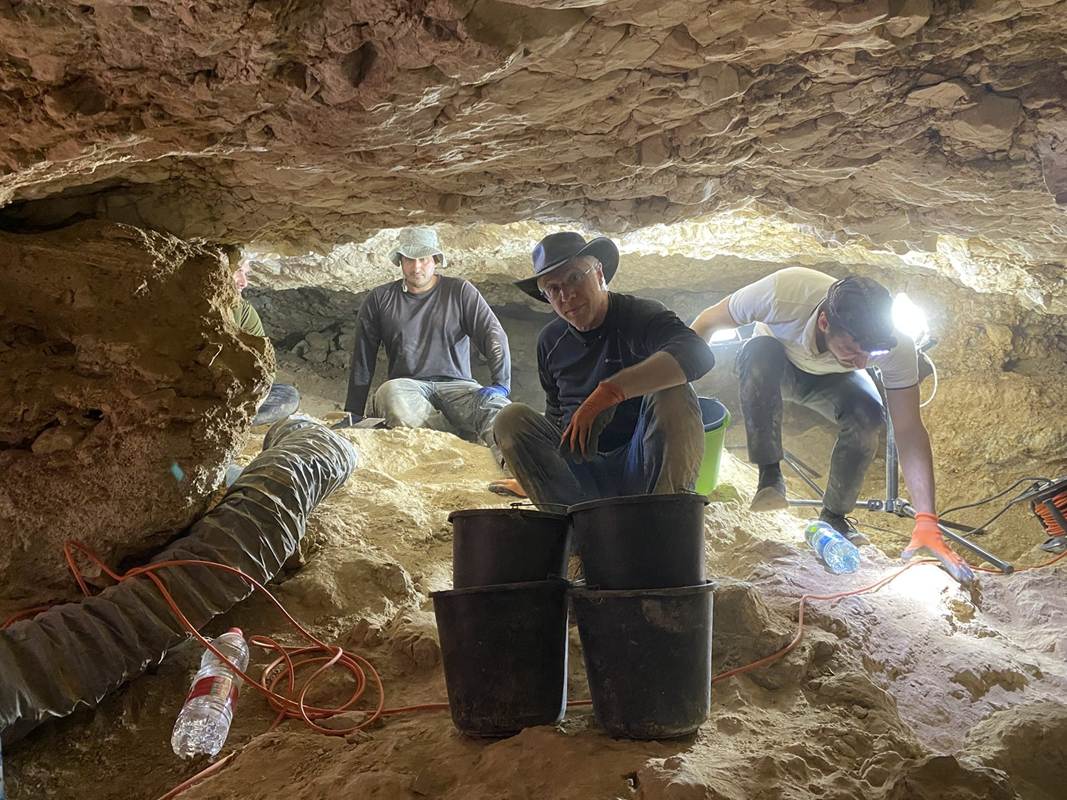
Project Qumran Treasurer Perry Antelman in the Back of the Cave Beside the New Ductwork
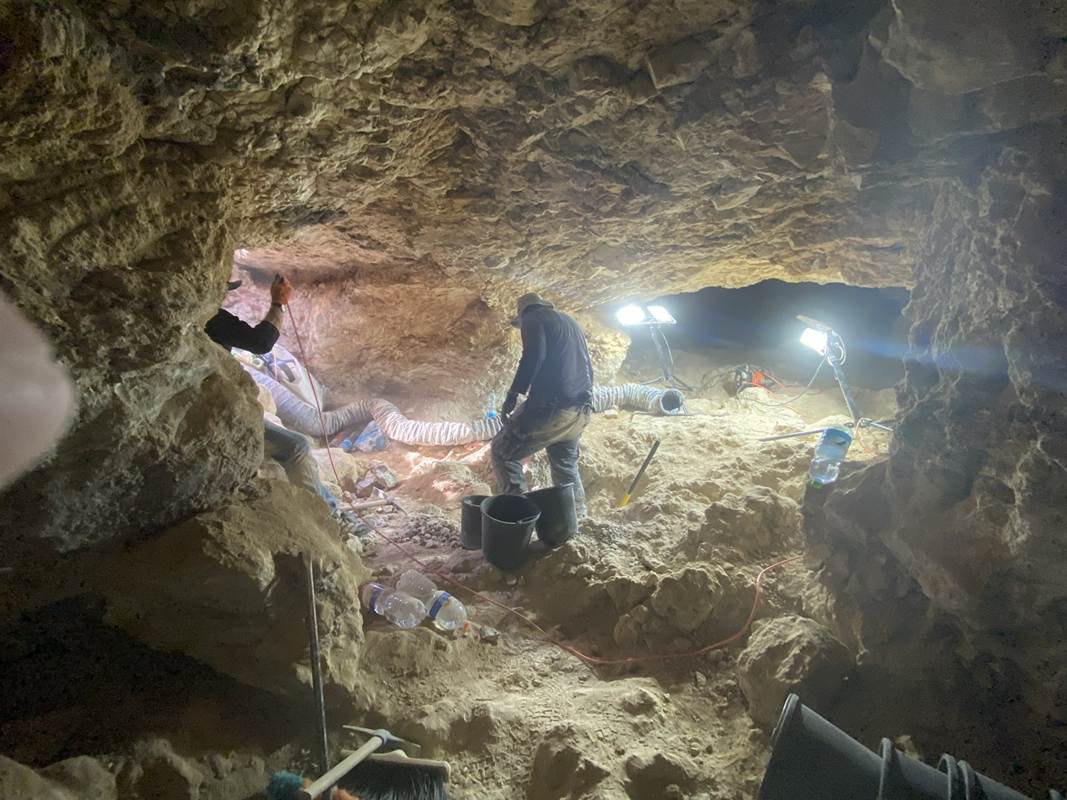
The Cave is Supplied with More Effective Lighting and Excavated to Bedrock, which is Actually a Collapsed Ceiling
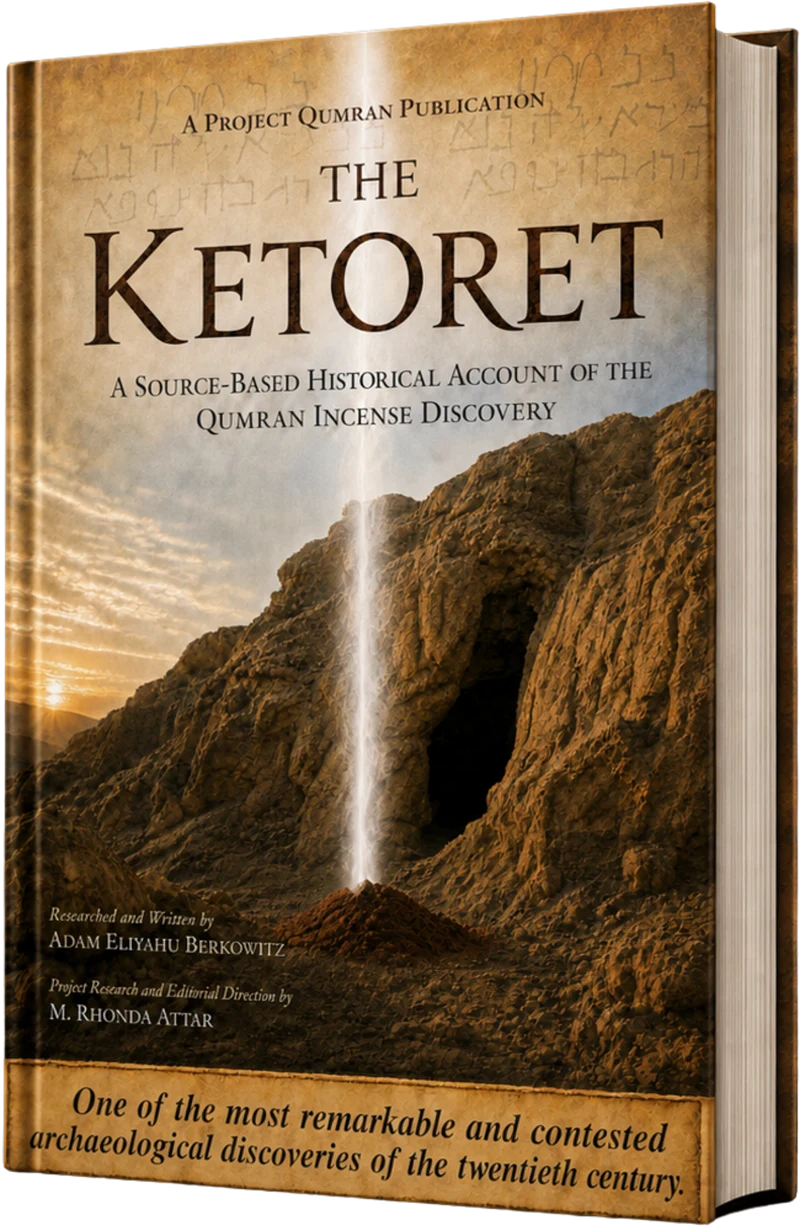 Free Sourcebook
Was the sacred Temple incense found at Qumran — and then lost?
For the first time, The Ketoret brings together the testimony, documents, reports, chain of custody, and unresolved questions surrounding the Qumran incense discovery.
Download the Free Book
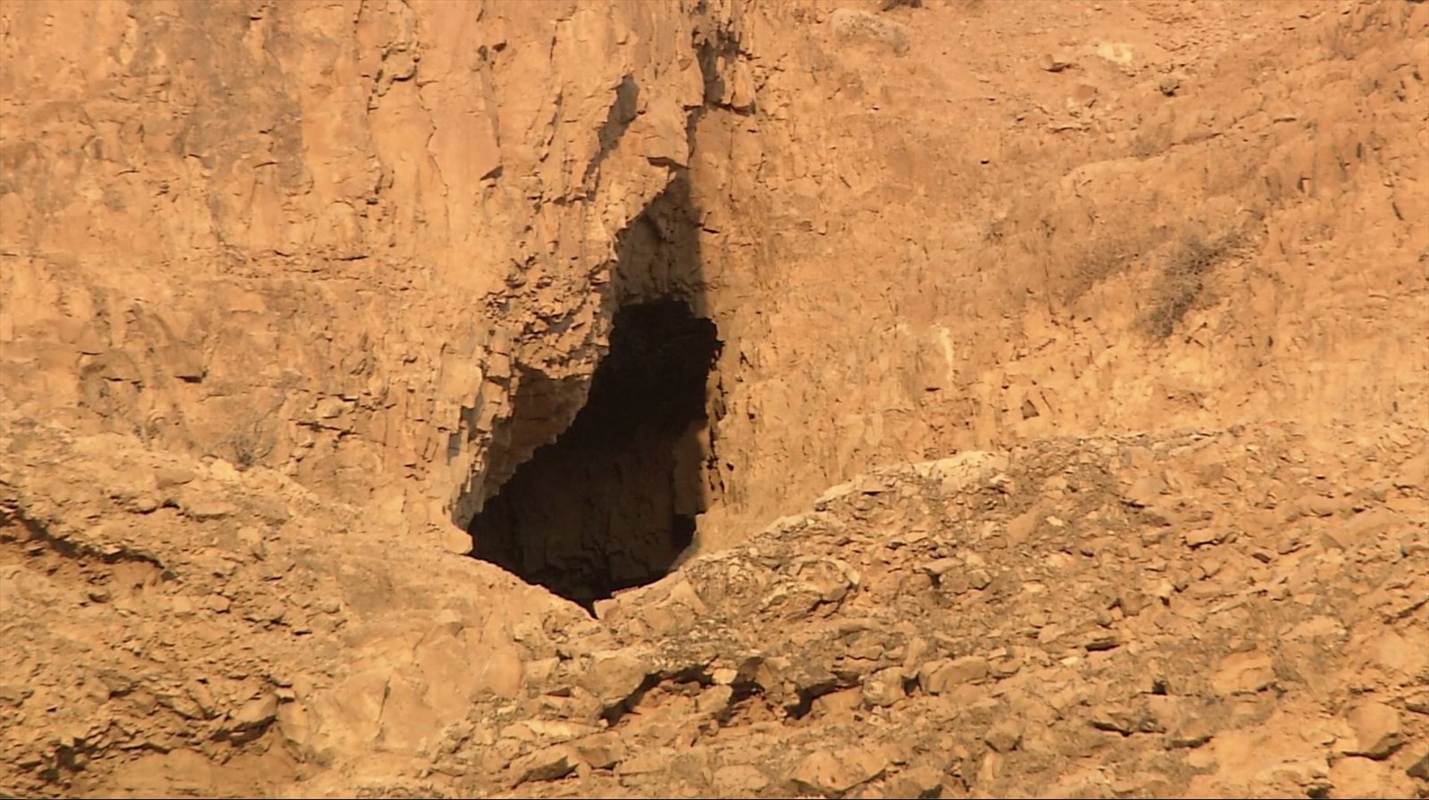
Project Qumran is now attempting to confirm, through laboratory analysis, the results of previous tests on the organic material discovered at this location in 1992.
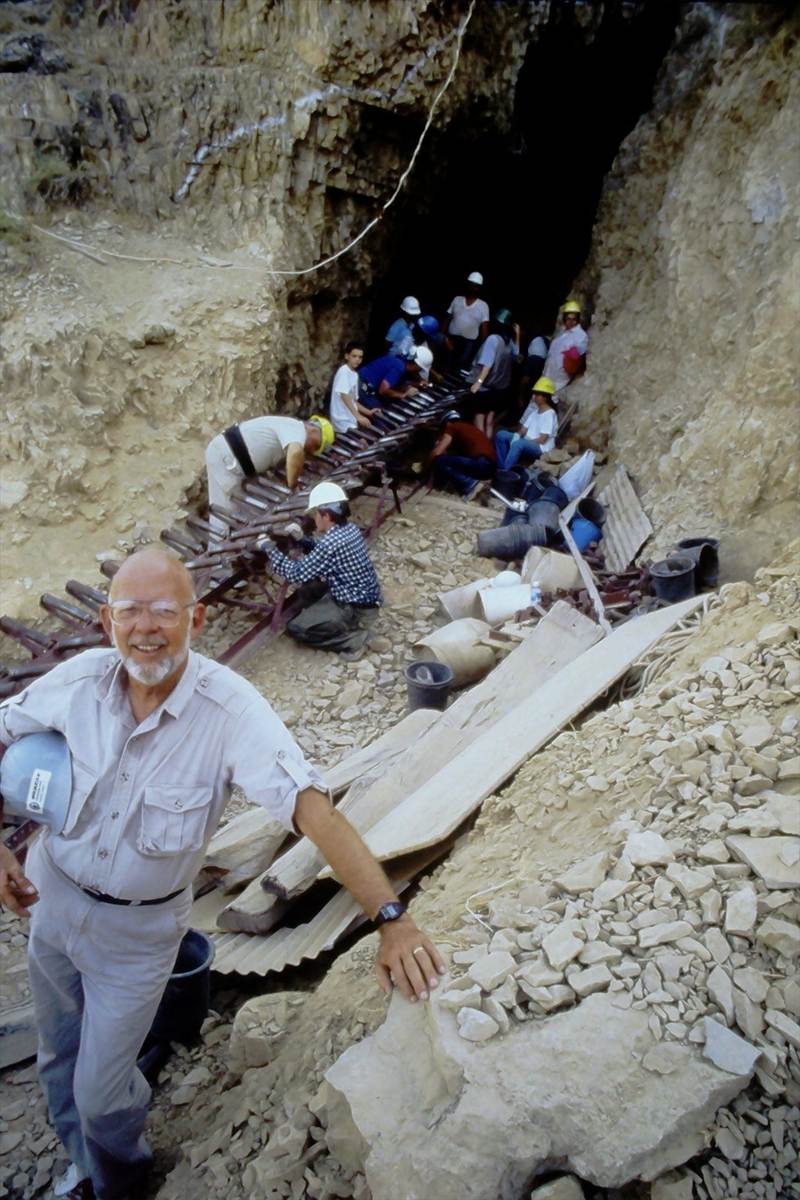
Archaeologist Vendyl Jones on the ’92 Excavation with Crew and Conveyor System Used to Remove Cave Debris
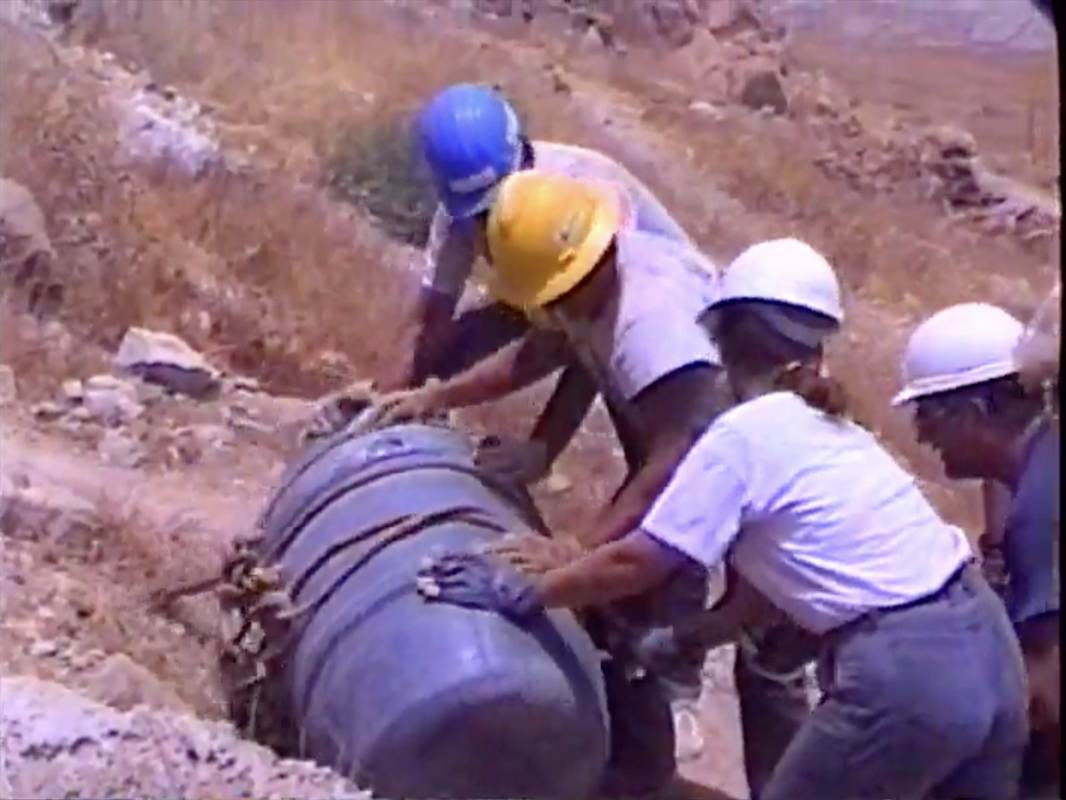
Crew Brings Down Roughly 600 Pounds of Spices Recovered from a Stone Silo and from a Series of Channels in the Bedrock Floor of the Cave
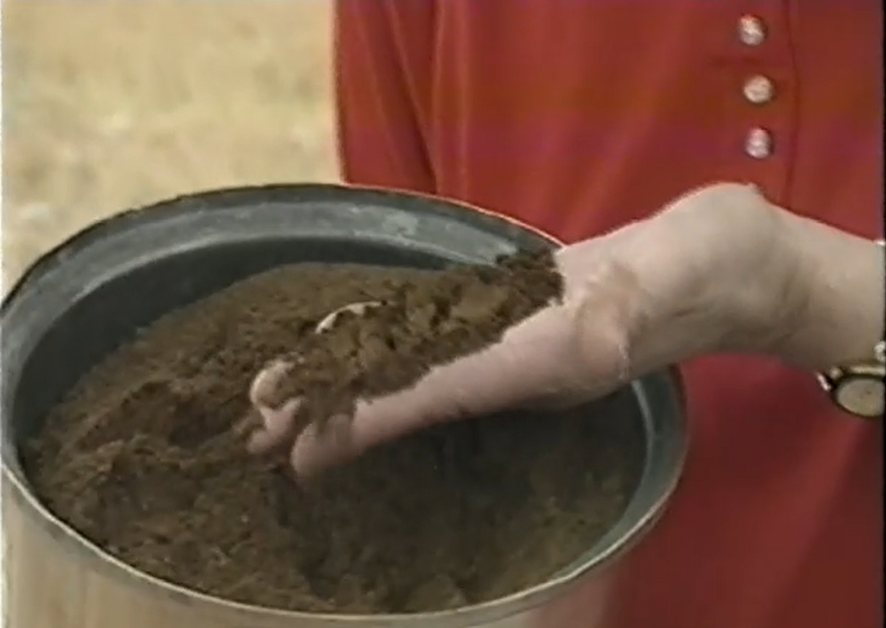
Container is Here Shown Filled with the Spice Mixture Having a Noticeable Fragrance of Cinnamon
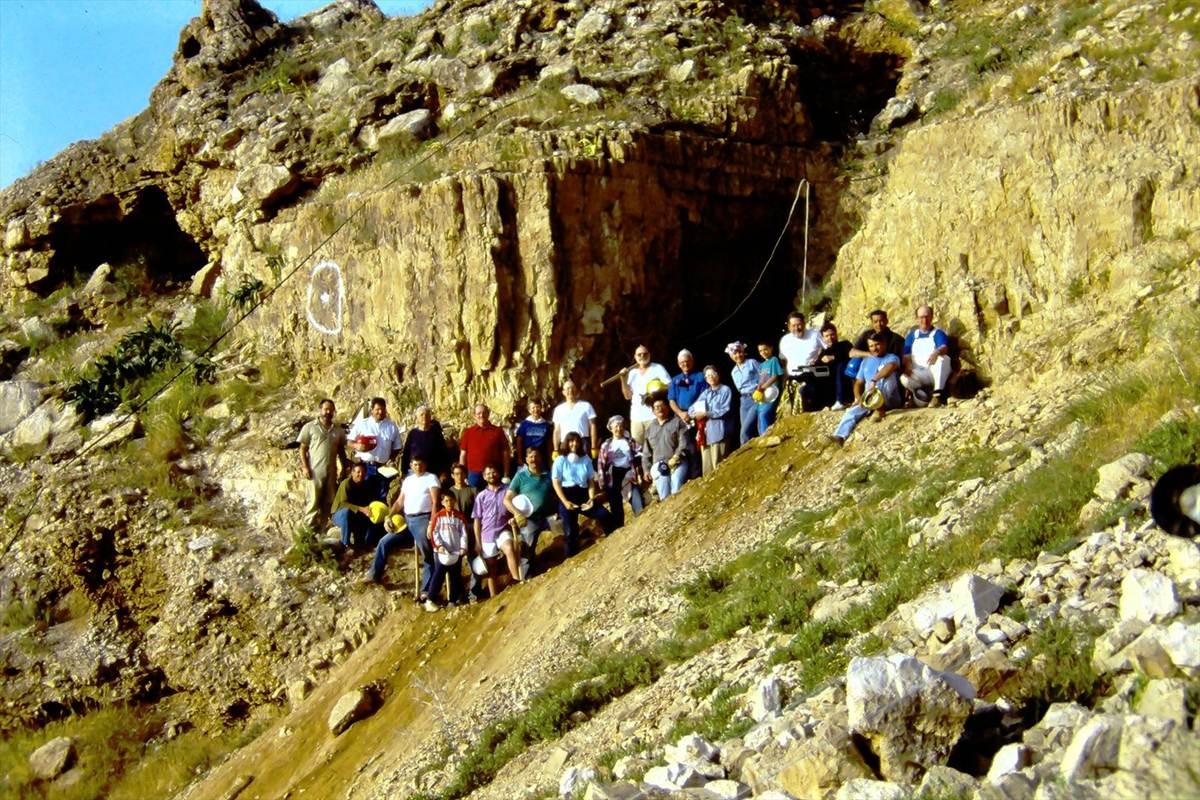
Volunteer Crew Poses for Group Photo in Front of the Cave where the Spices were Found
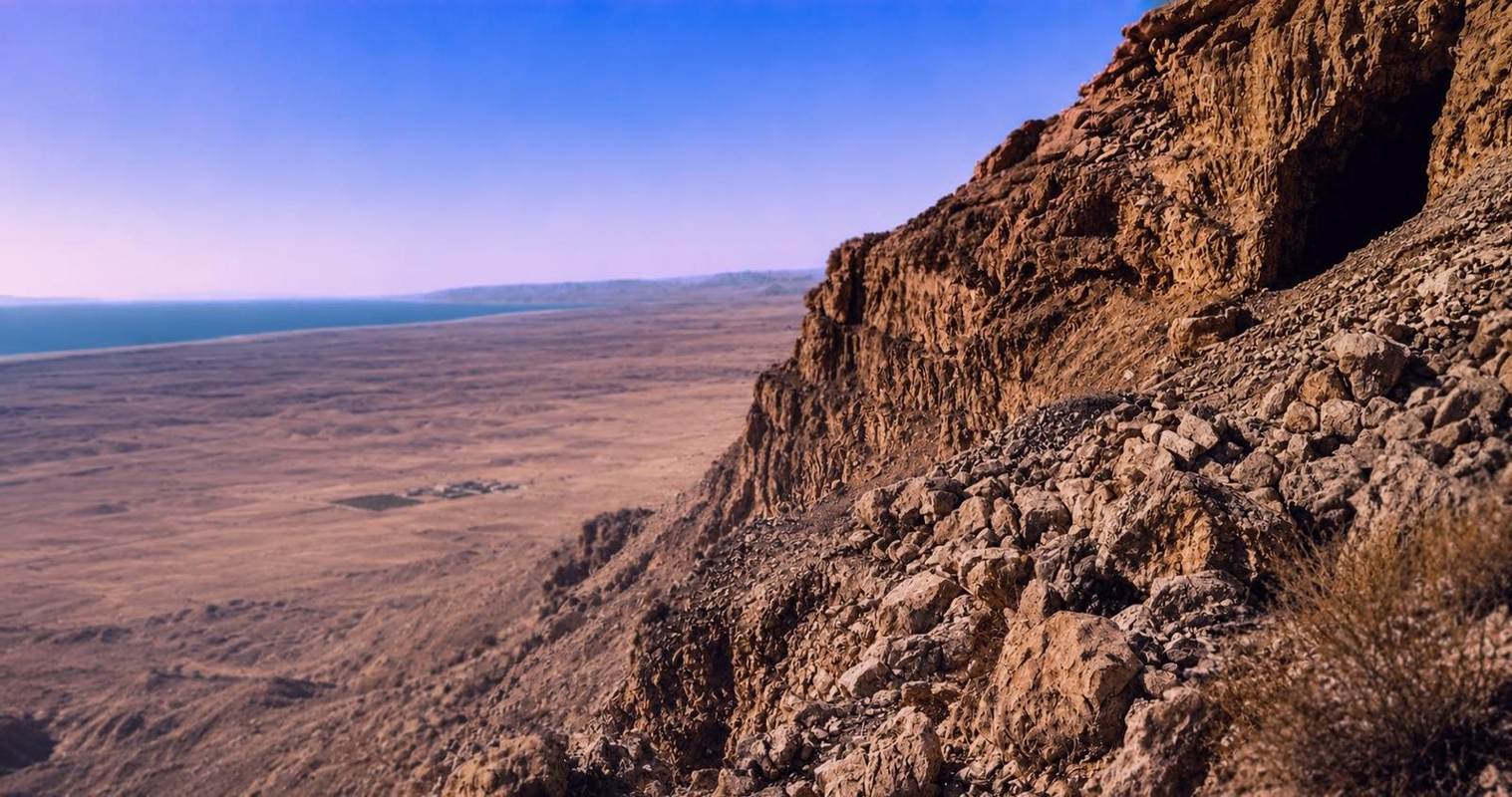
The Spice Cave Appeared to have been Intentionally Sealed — Preparing the Area for a Safe Excavation was Difficult and Arduous
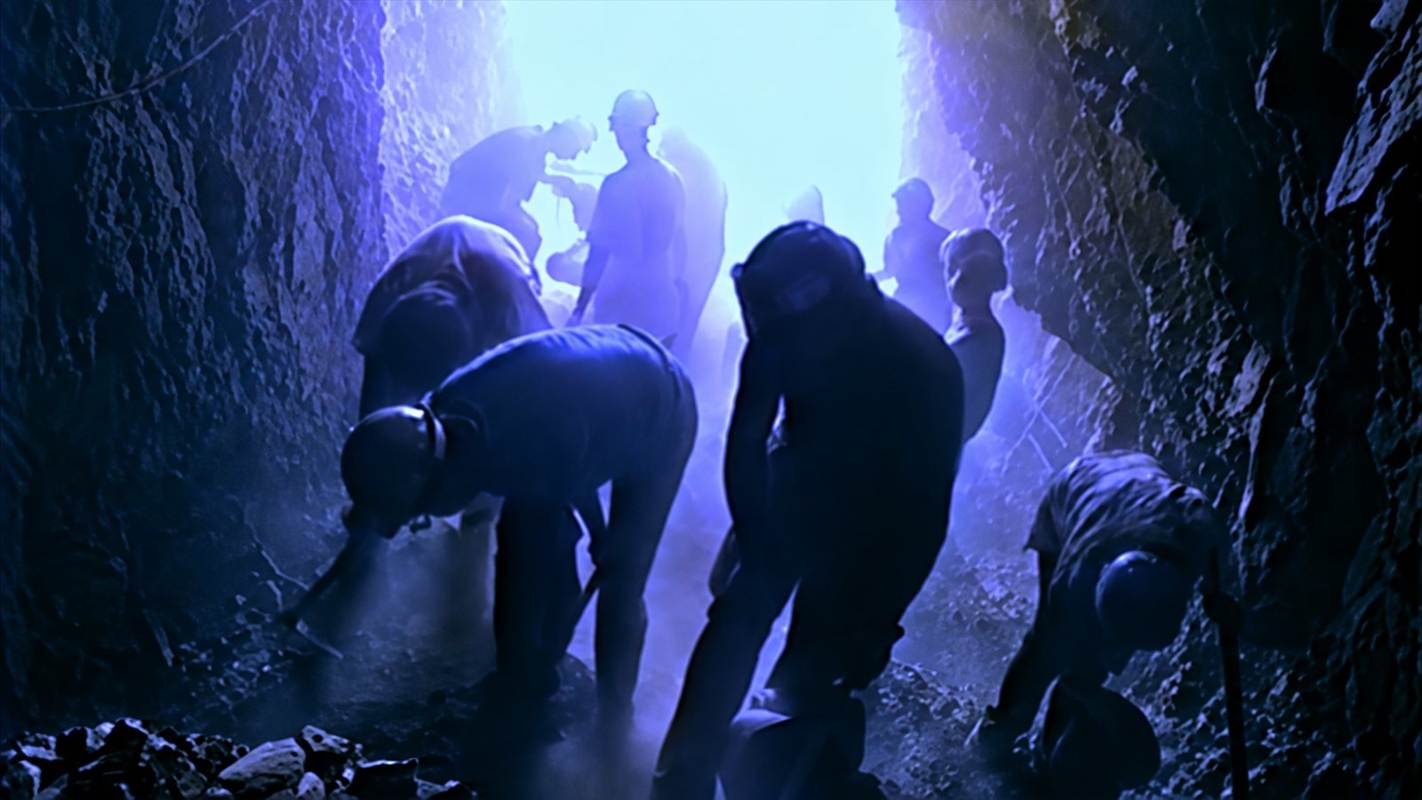
Once the Spice Cave was Opened, the Removal of Surface Debris Went Quickly, but Created a Dusty Atmosphere that Required Special Masks
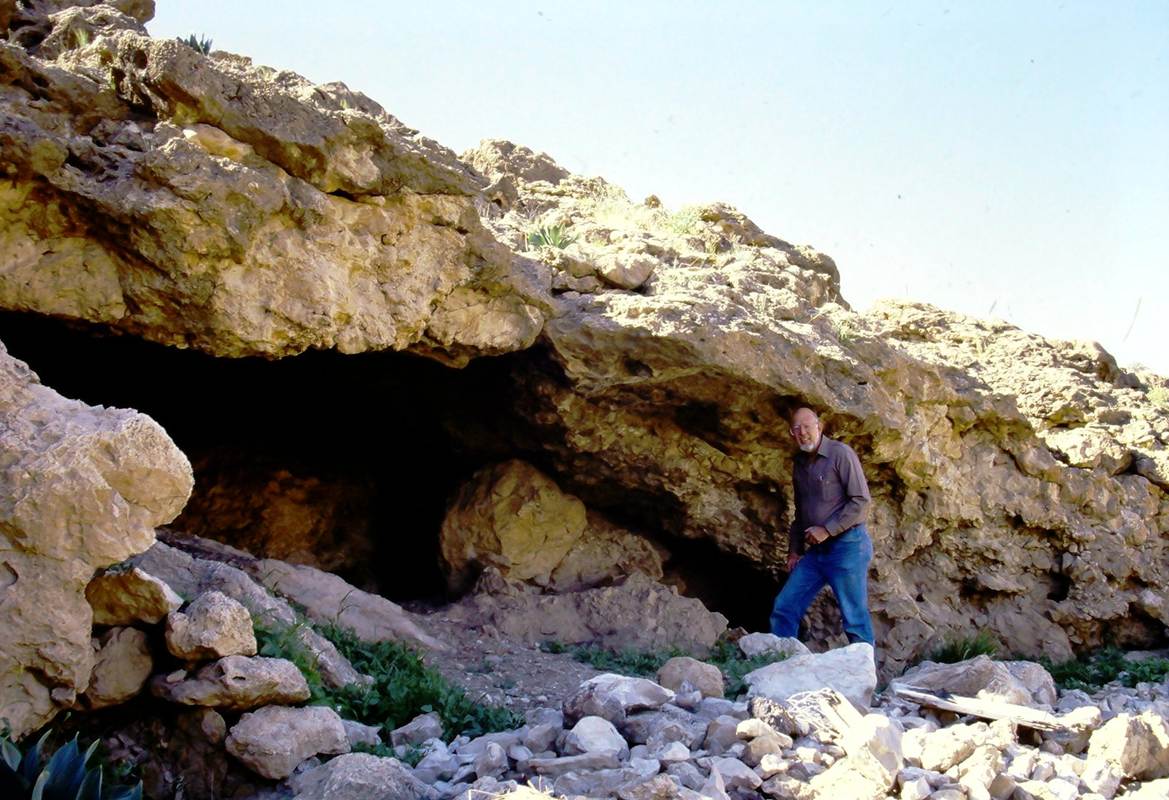
Entrance to Cave 13 where the little clay juglet was discovered
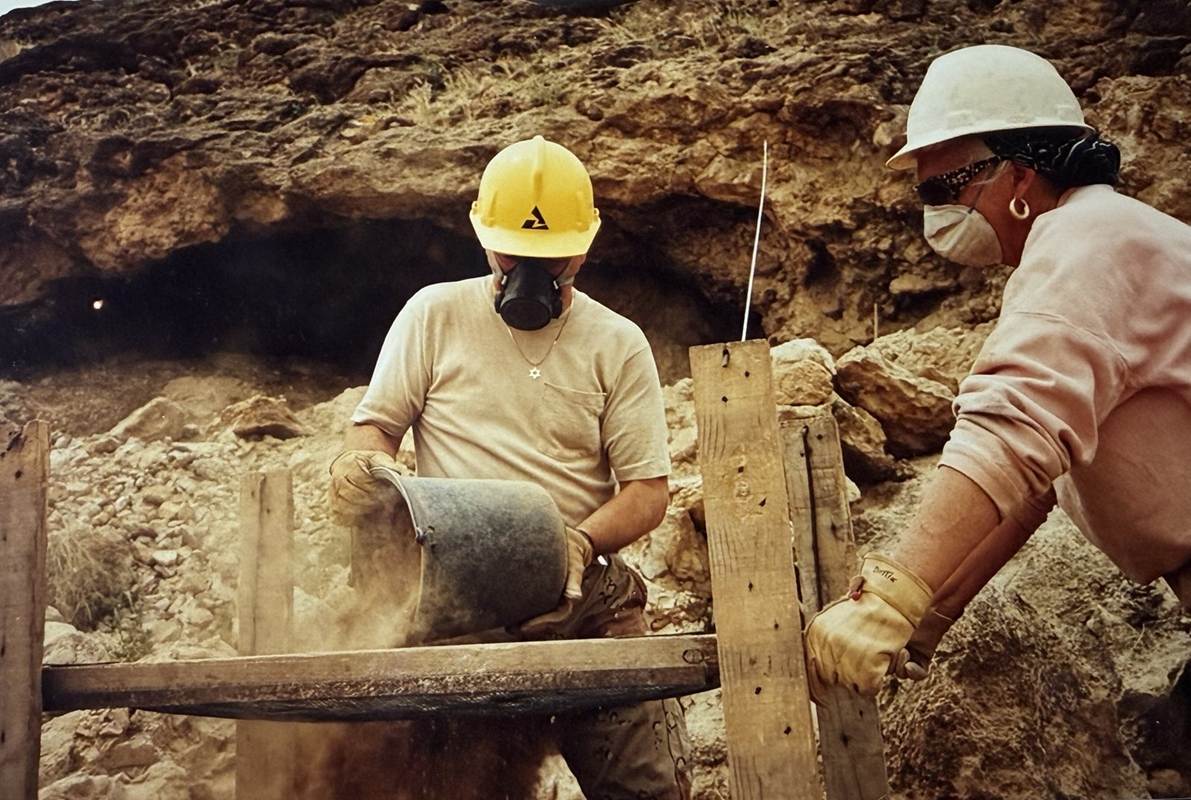
Sifting through the dirt from the cave
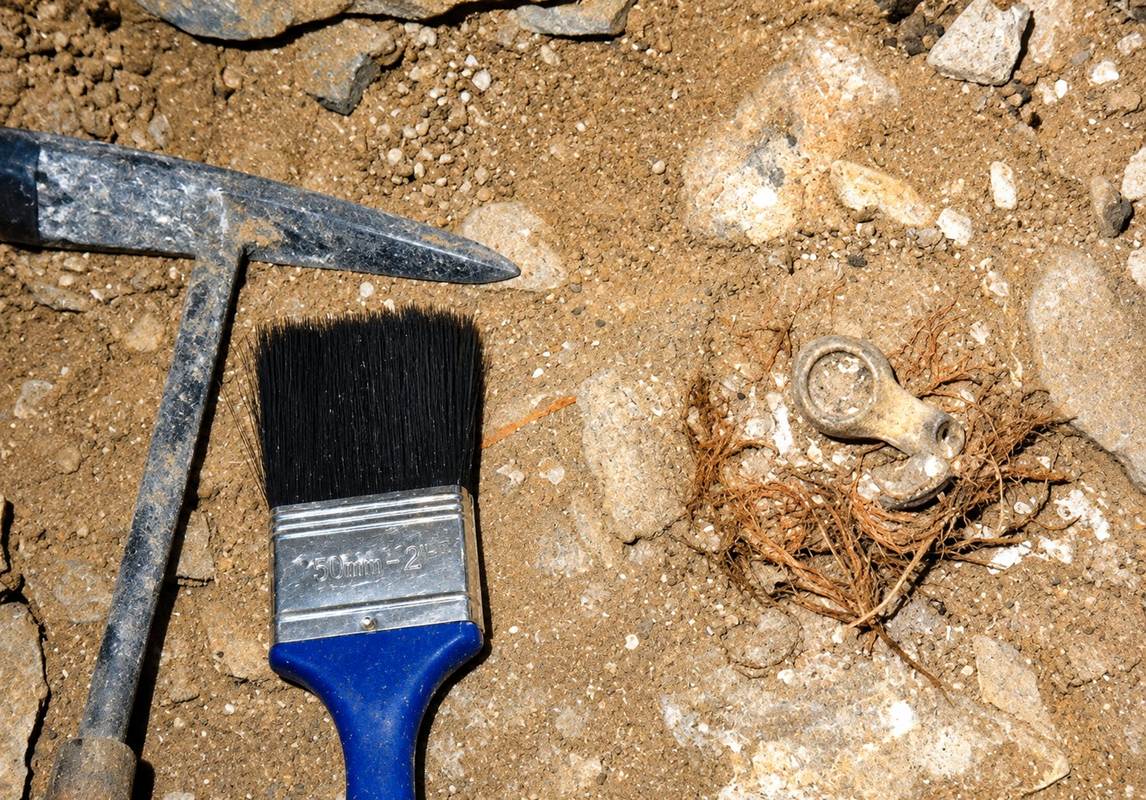
Clay juglet, just to the right of brush, still buried, “in situ”
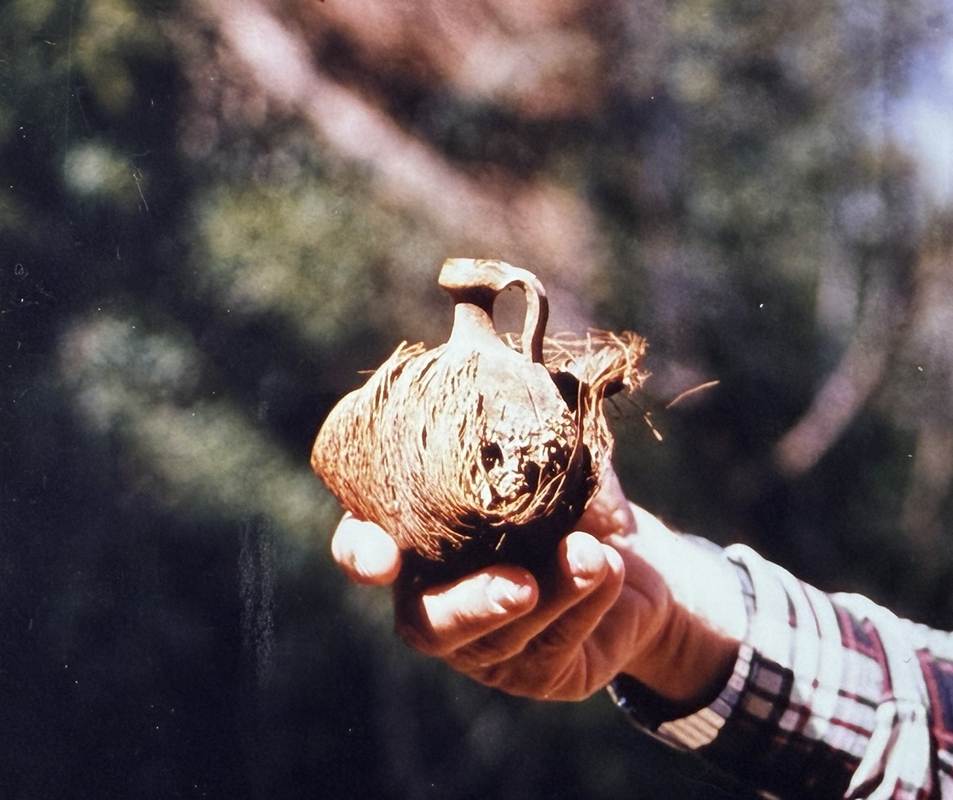
After centuries, the little ancient container sees the light of day
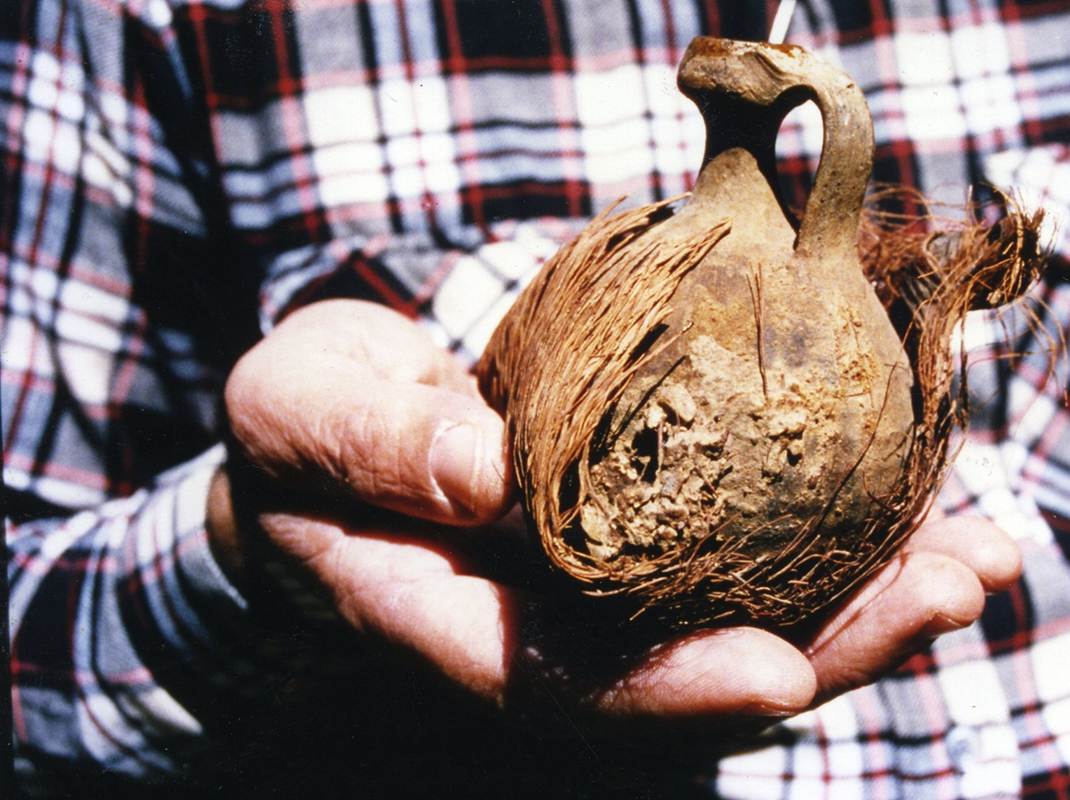
Clay Juglet showing damaged area where oil leaked after being exposed to sunlight
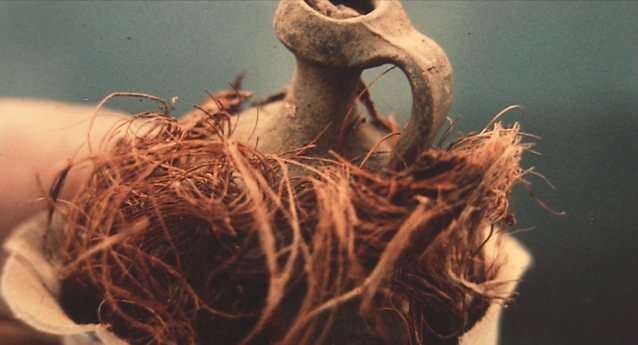
Juglet
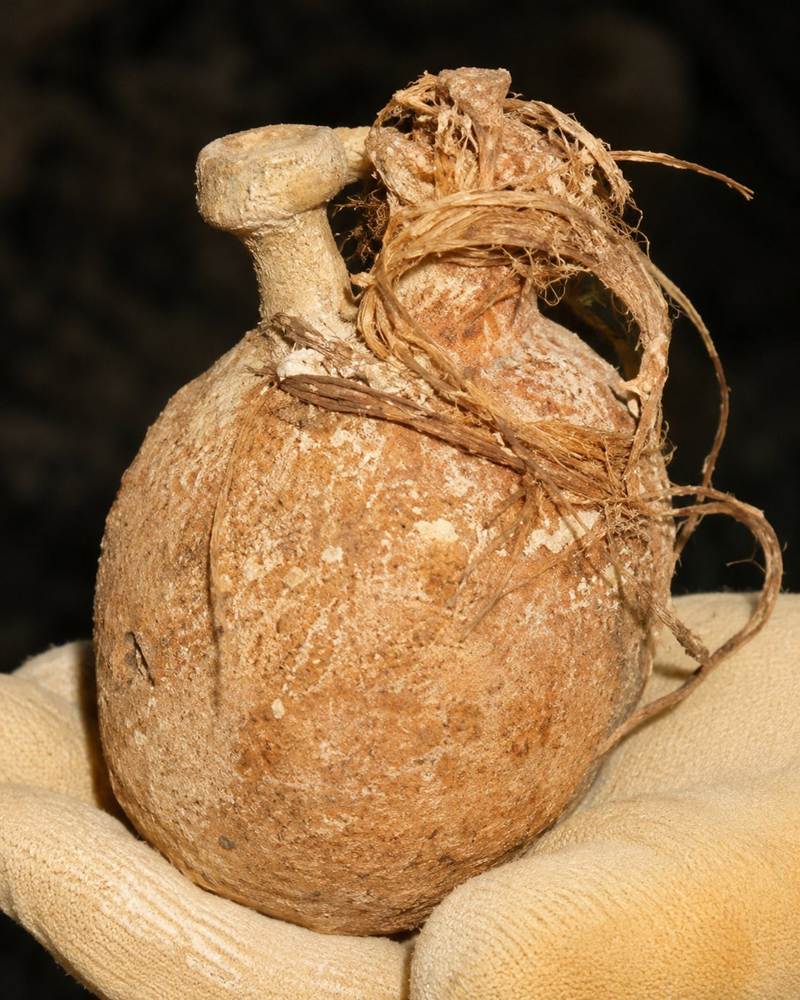
The Juglet Held Up
In April 1988, Vendyl Jones uncovered a small Herodian-period juglet wrapped in palm leaves in Cave 13, excavated in cooperation with Hebrew University archaeologists Joseph Patrich, Benny Arubas, and the late Benny Agur. As the juglet warmed in the desert sun, a thick dark substance began seeping from a crack—prompting Jones to identify it as Shemen Afarsimon, the prized balsam oil associated with royal and priestly anointing in the Second Temple period. The discovery drew international attention from the New York Times, National Geographic, CNN, and Omni, and the juglet was later placed in the Israel Museum. Subsequent analysis challenged Jones’s identification, suggesting the substance may have been derived from date stones, and the find remains disputed.
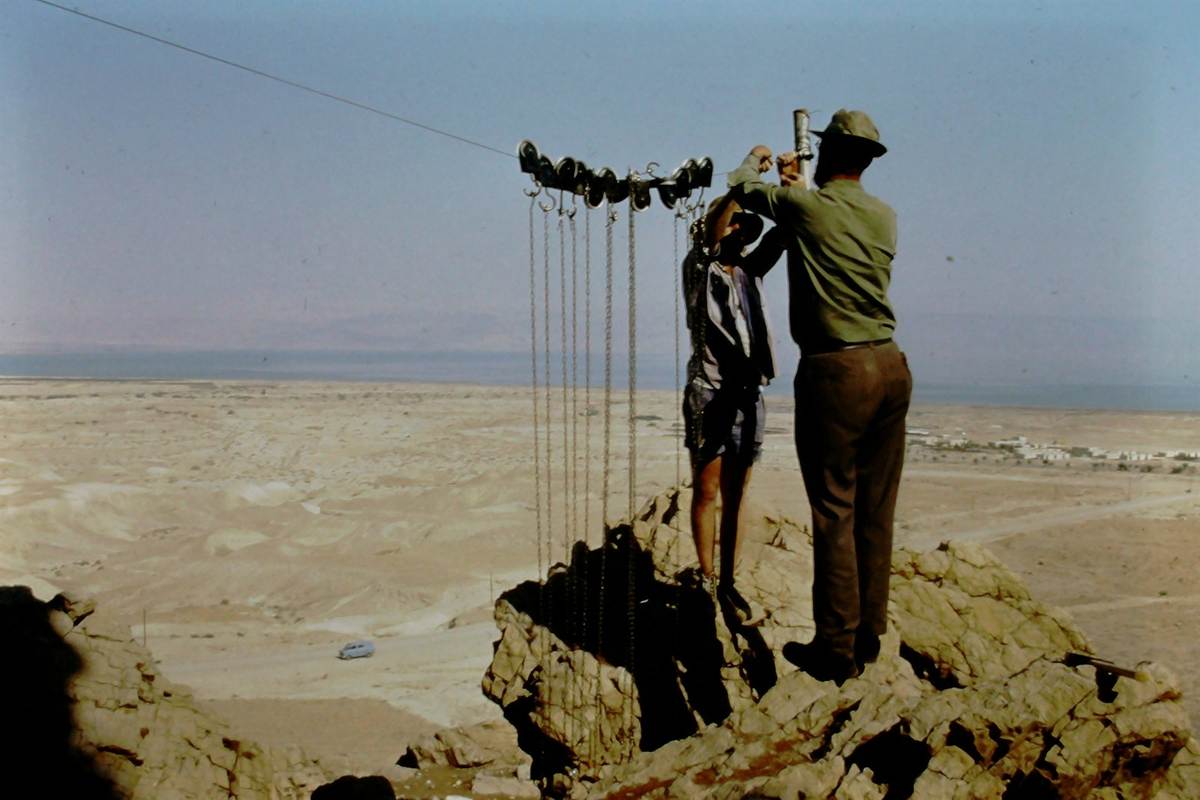
Archaeologist Pessah (Pesach) Bar Adon from the Israel Department of Antiquities Joins Vendyl Jones to Excavate the Twin Caves. Volunteers Improvise a Basic Two-Man Bucket Line Using a Cable Between Two Points
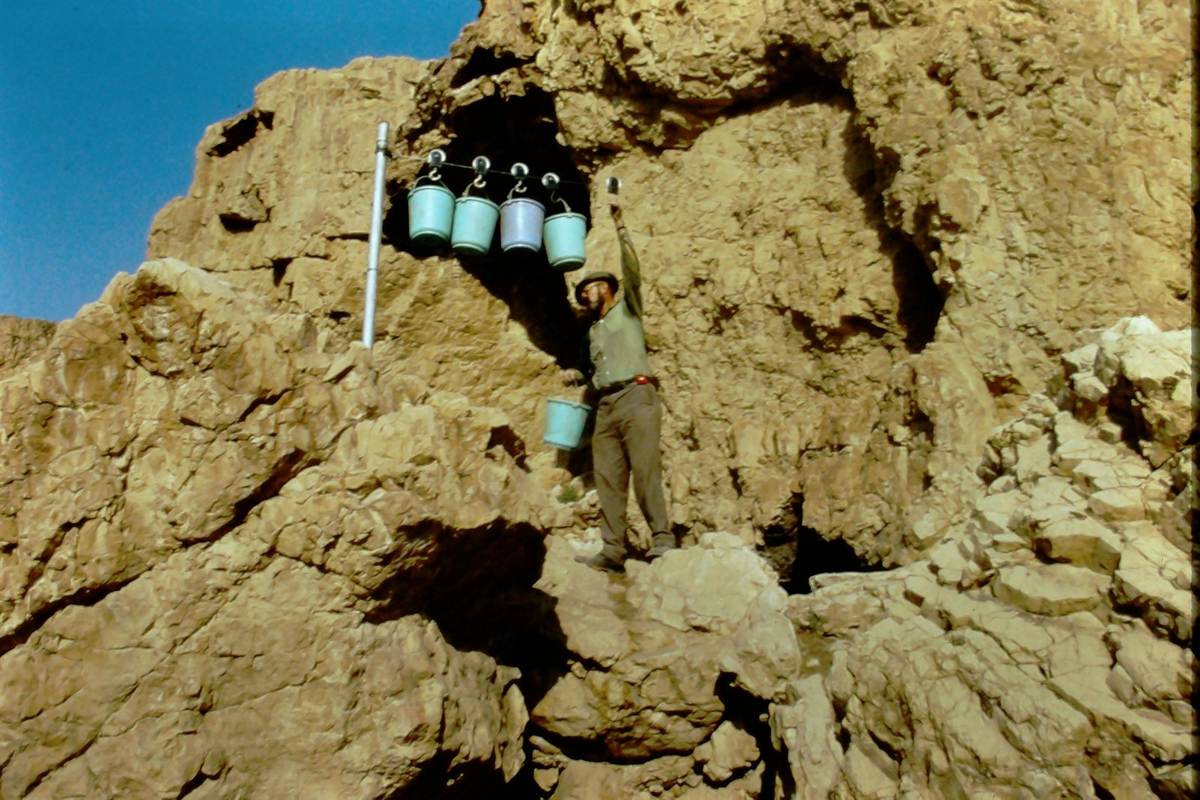
The Improvised Bucket Line is Shown Here in Operation, as Buckets from Above are Rolled Down to a Point Outside the Cave
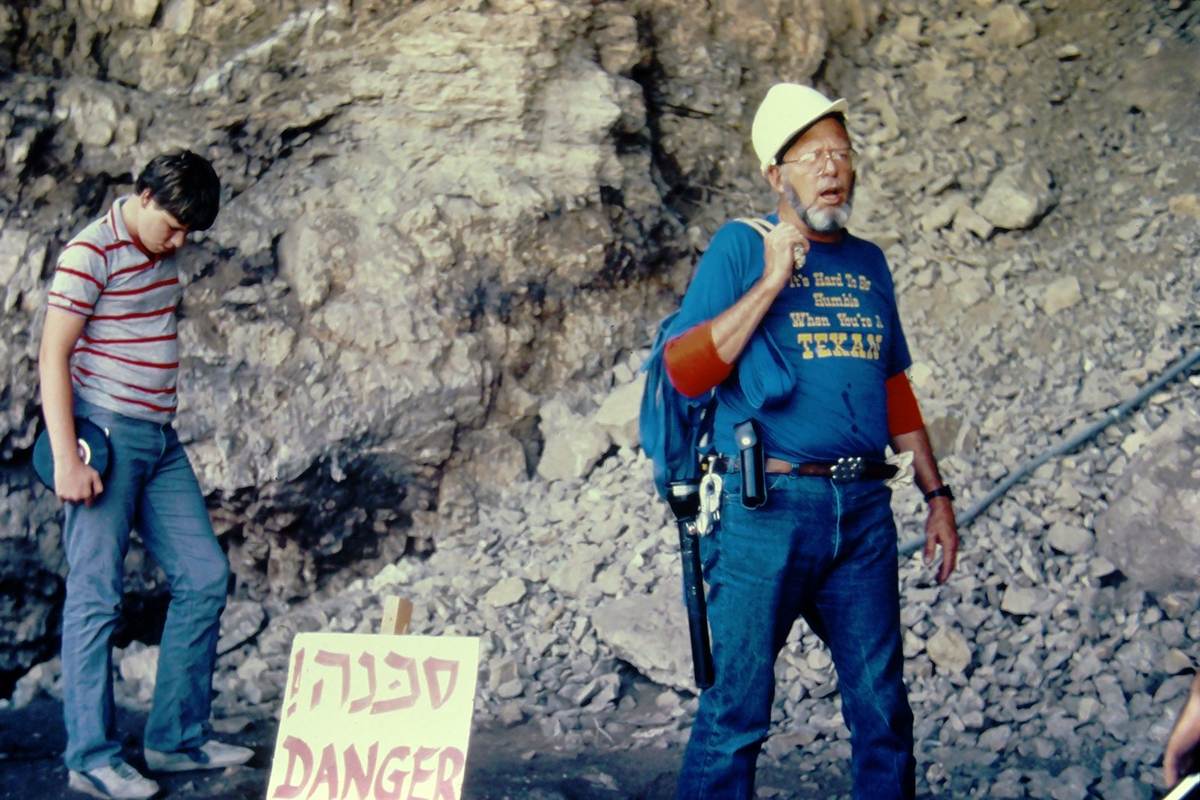
Archaeologist Jones Working Alone at Qumran before the First Volunteers Arrive to Help
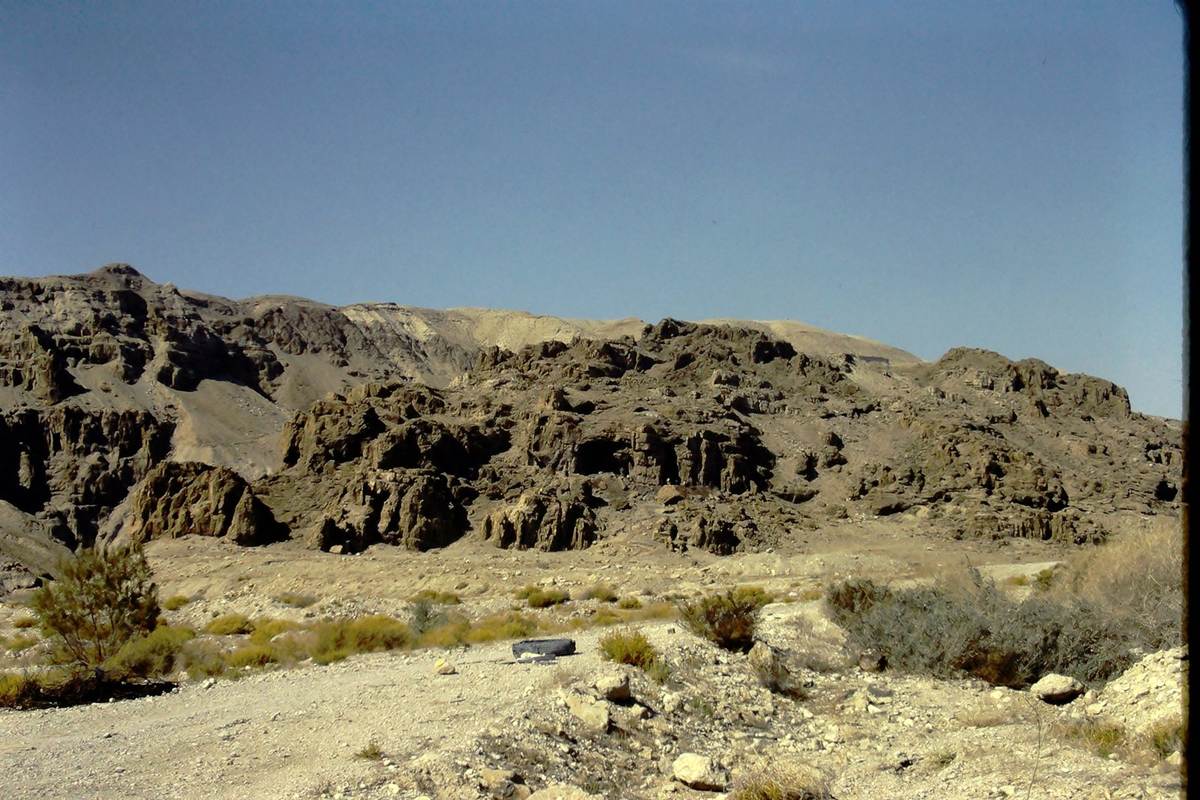
The Valley of Achor and the Twin Caves as they were in 1967, Before Excavations Began
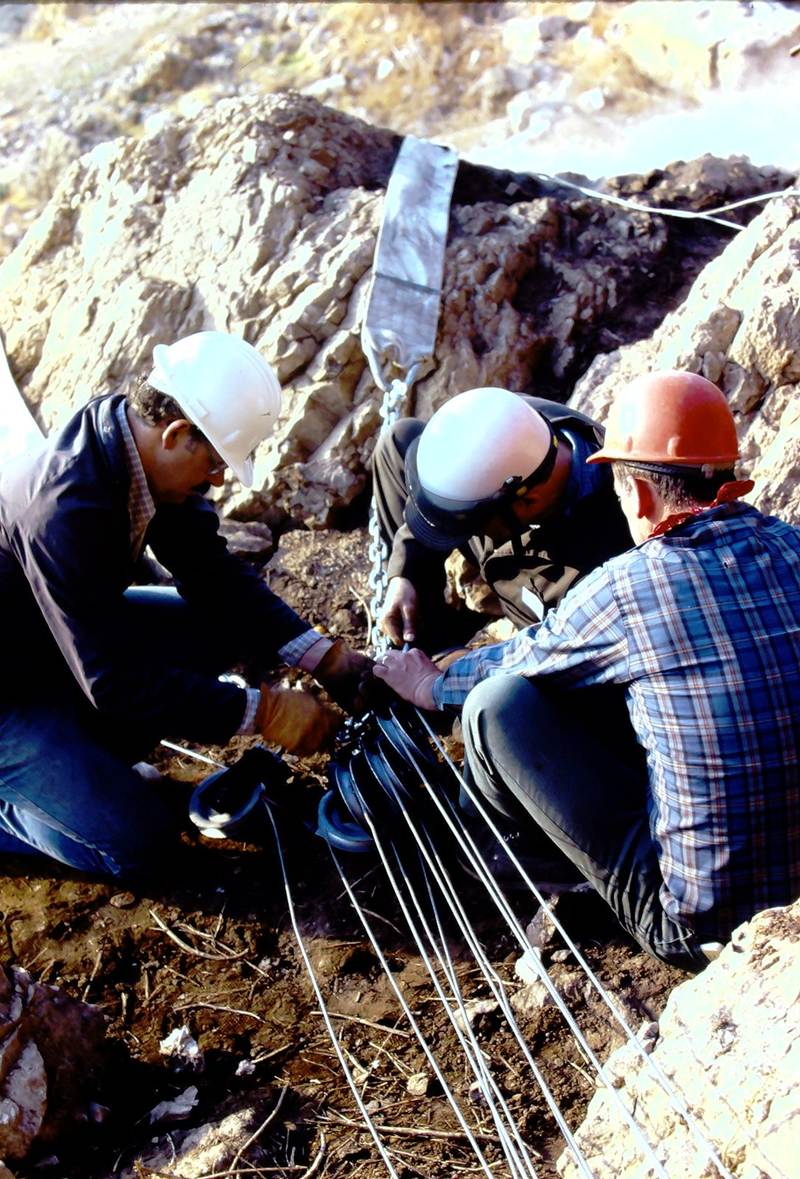
Crew Rigs Pulleys to Multiply Force for Moving a Massive Boulder
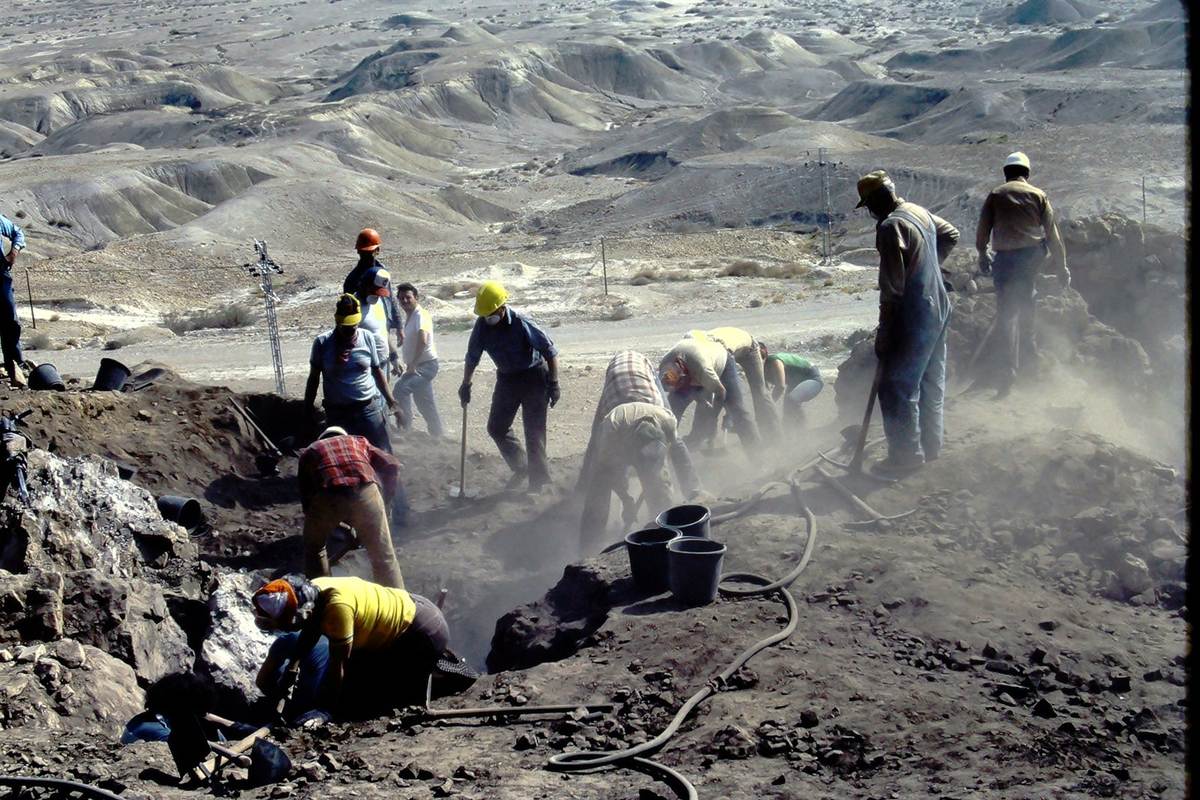
The Excavations at the Twin Caves Extend into the 70s and 80s with New Volunteers Showing Up Every Year
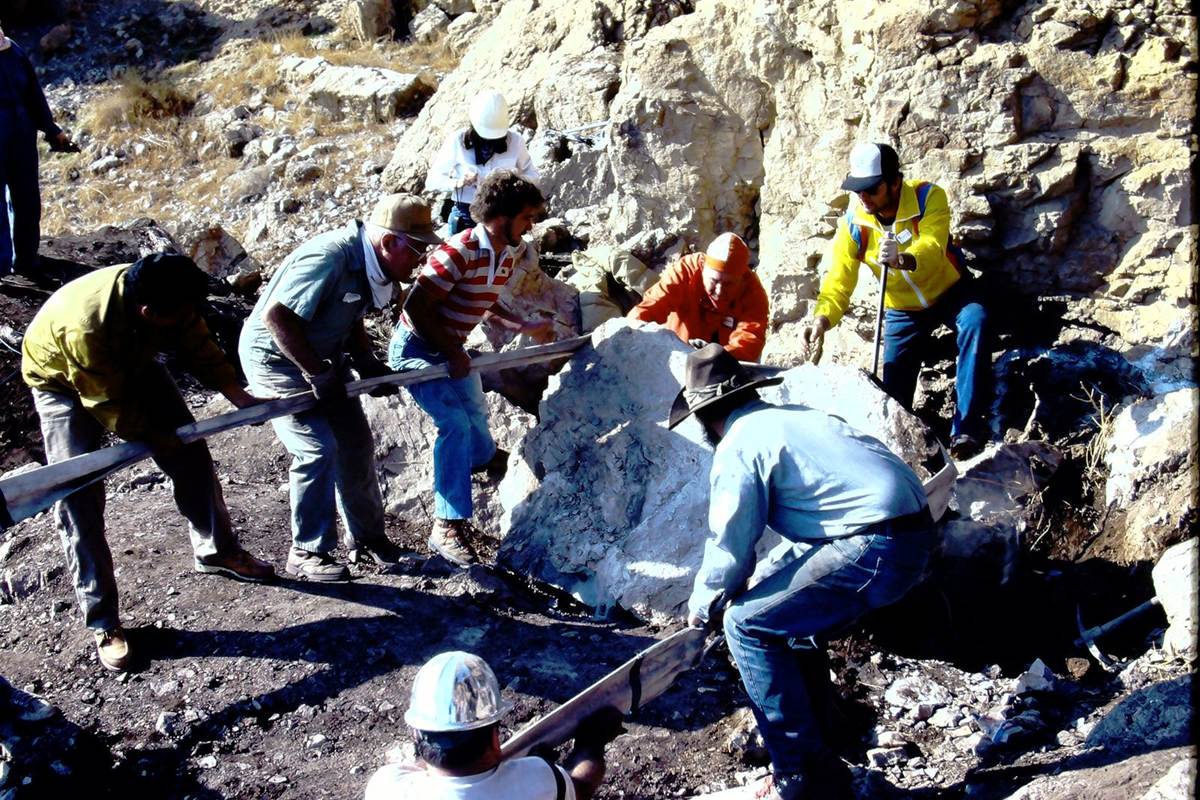
Volunteers Use a Wide Tow Strap to Remove a Giant Stone that Would Otherwise be Impossible to Handle
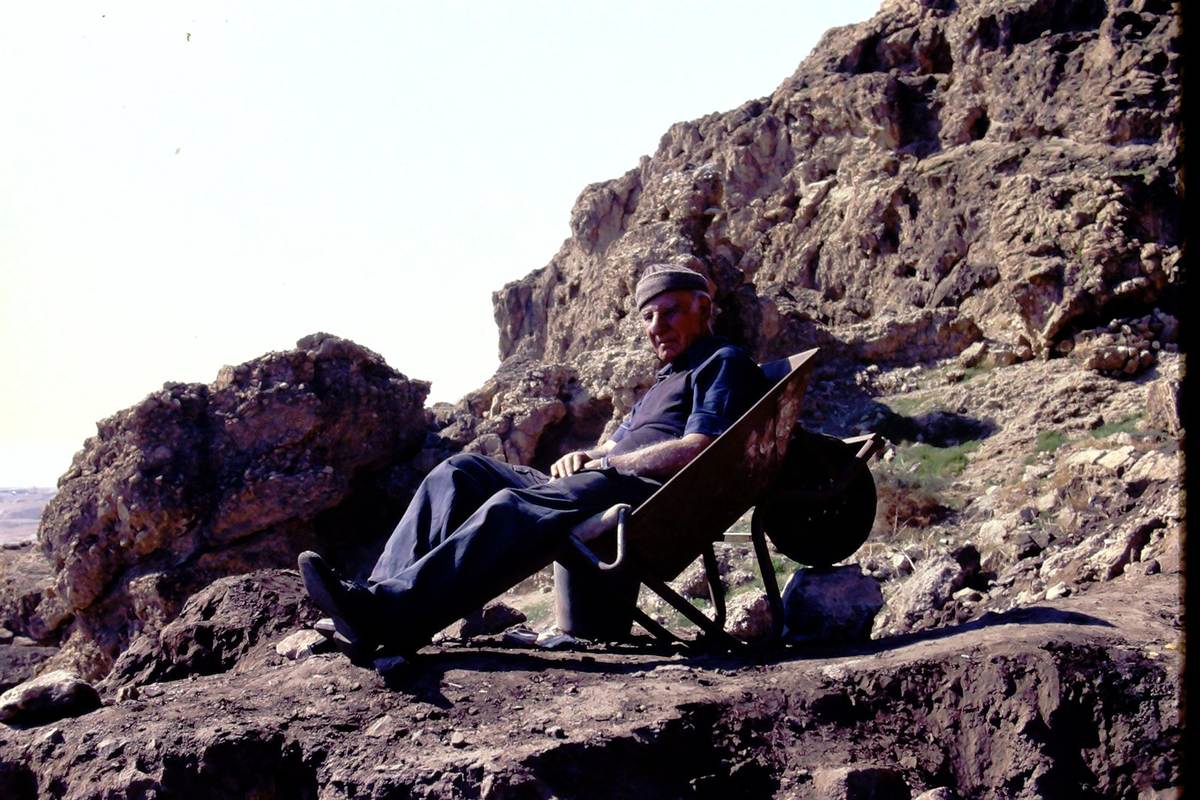
Archaeologist Pesach Bar Adon Takes a Well-Deserved Break Using a Wheelbarrow as a Lounge Chair
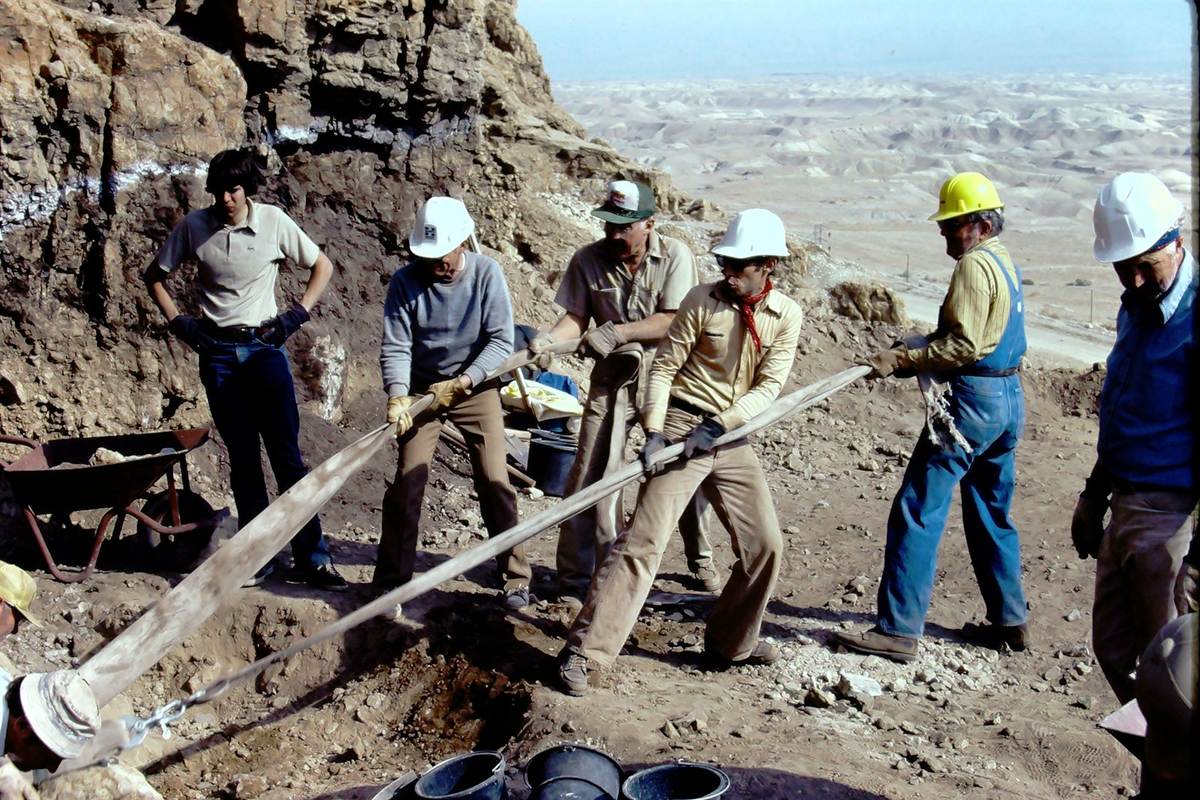
Strap Removal of a Large Boulder Embedded into the Ground in Front of the South Opening at Teomot
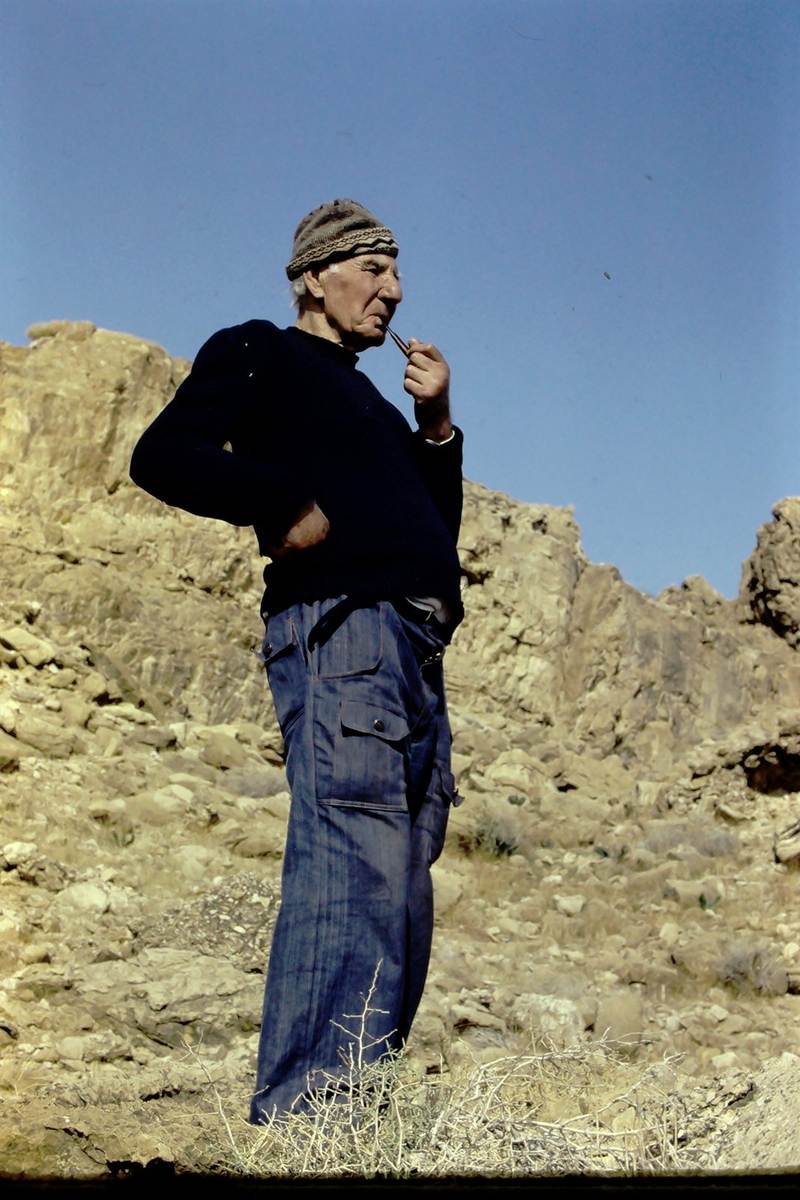
Pesach Bar Adon Watches the Crew While Carefully Planning Next Steps
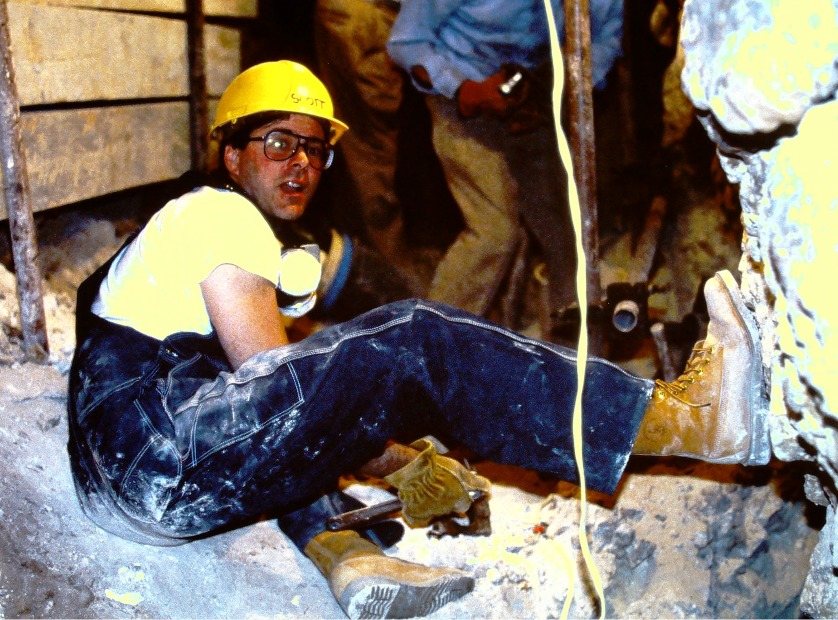
David Ben Avraham, Project Qumran Founder & Advisor in the Tunnel Below the South Opening at Teomot in 1989
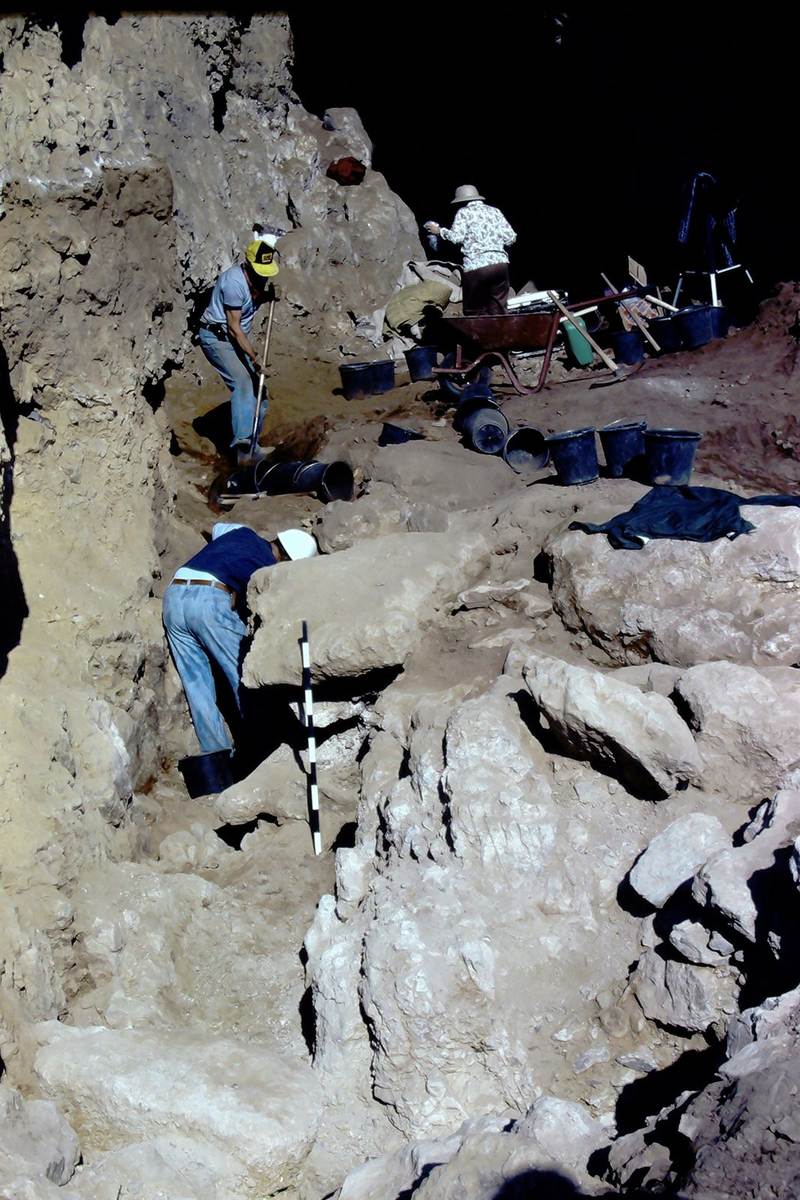
Archaeologists Bar Adon and Jones Direct Crew to Begin Working at Night due to the Advantage of Lower Temperatures
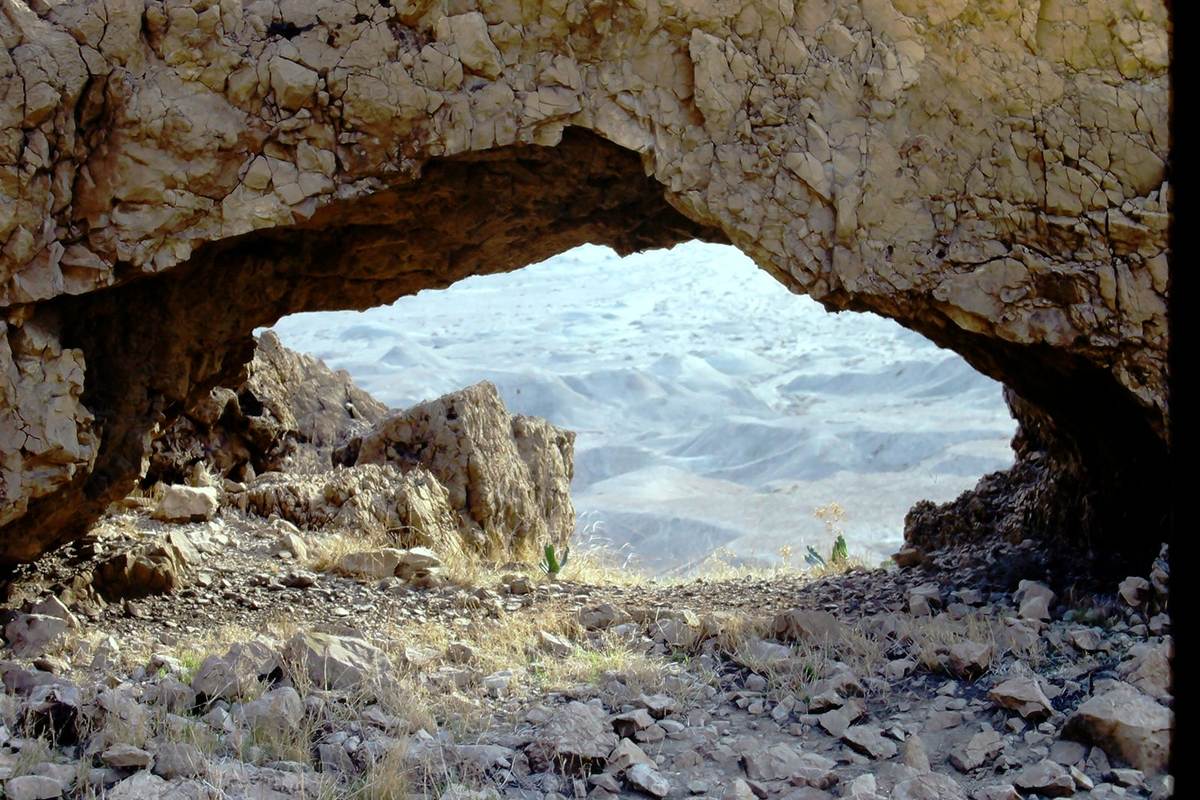
Overview of the Jordan River Valley as Seen Through the Notch on top of the Teomot Plateau
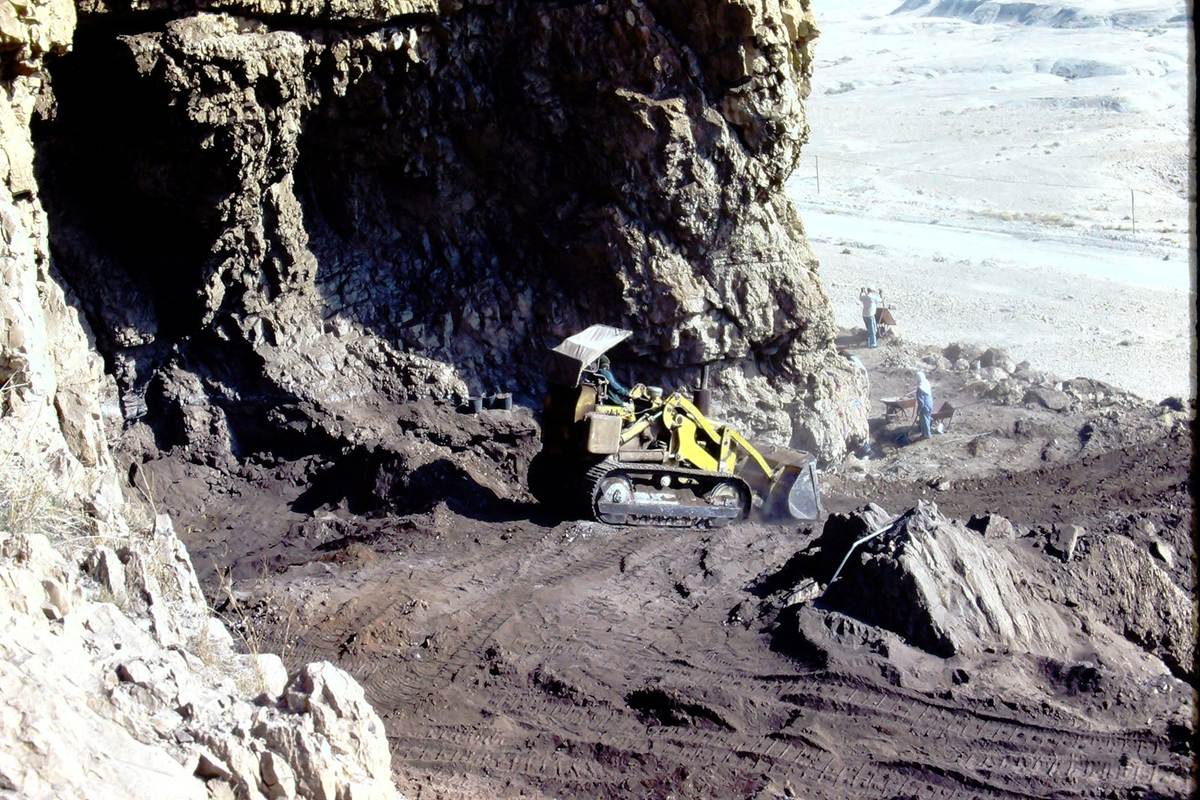
Antiquities Authorizes Pesach Bar Adon to Use Heavy Equipment in Preparation for the Excavations to Increase Safety for Volunteers and Other Visitors (1977)
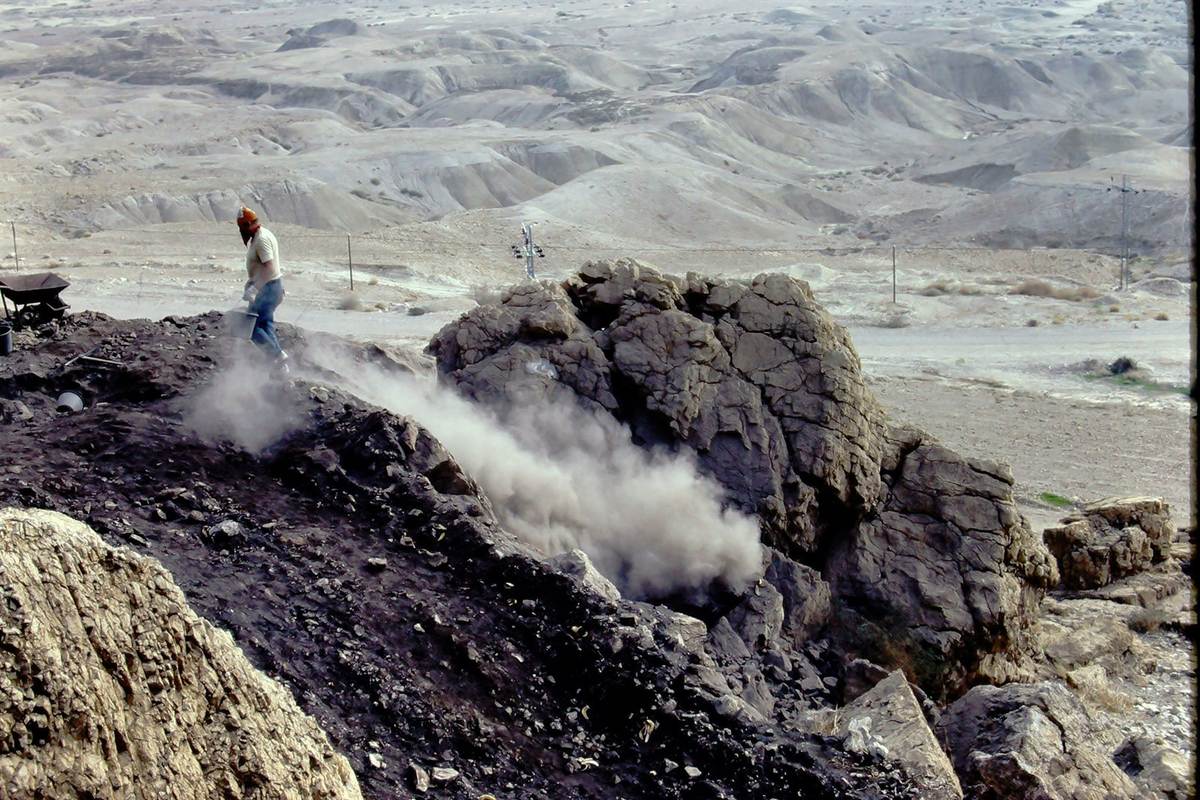
The Debris from the Cave Consists of Ordinary Dirt, but Includes Extraordinarily Fine Powder-Like Dust that Seems to Hang in the Still Air
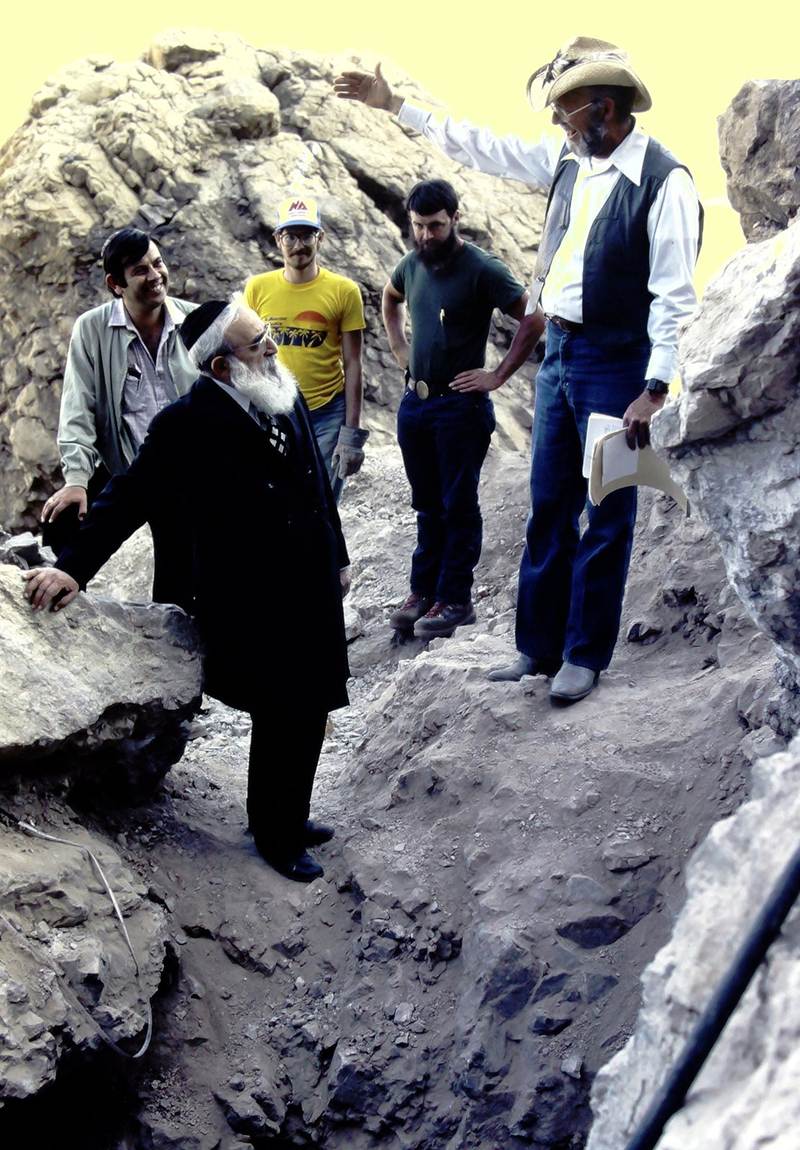
Chief Ashkenazi Rabbi Shlomo Goren, Former Rabbi of the IDF, Confers with his Long-Time Friend Vendyl Jones as Excavations Continue
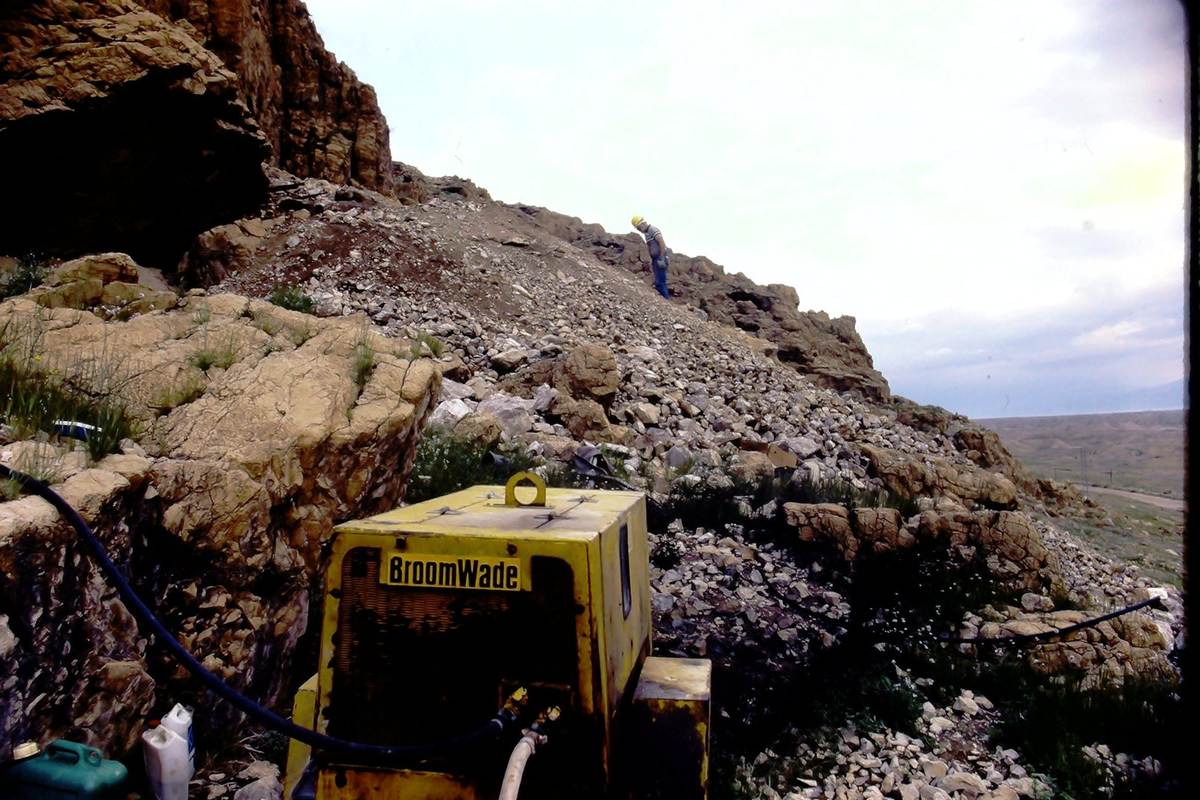
Large Diesel Powered Generator and Air Compressor is Used to Run Jack Hammers and other Heavy Equipment (1978)
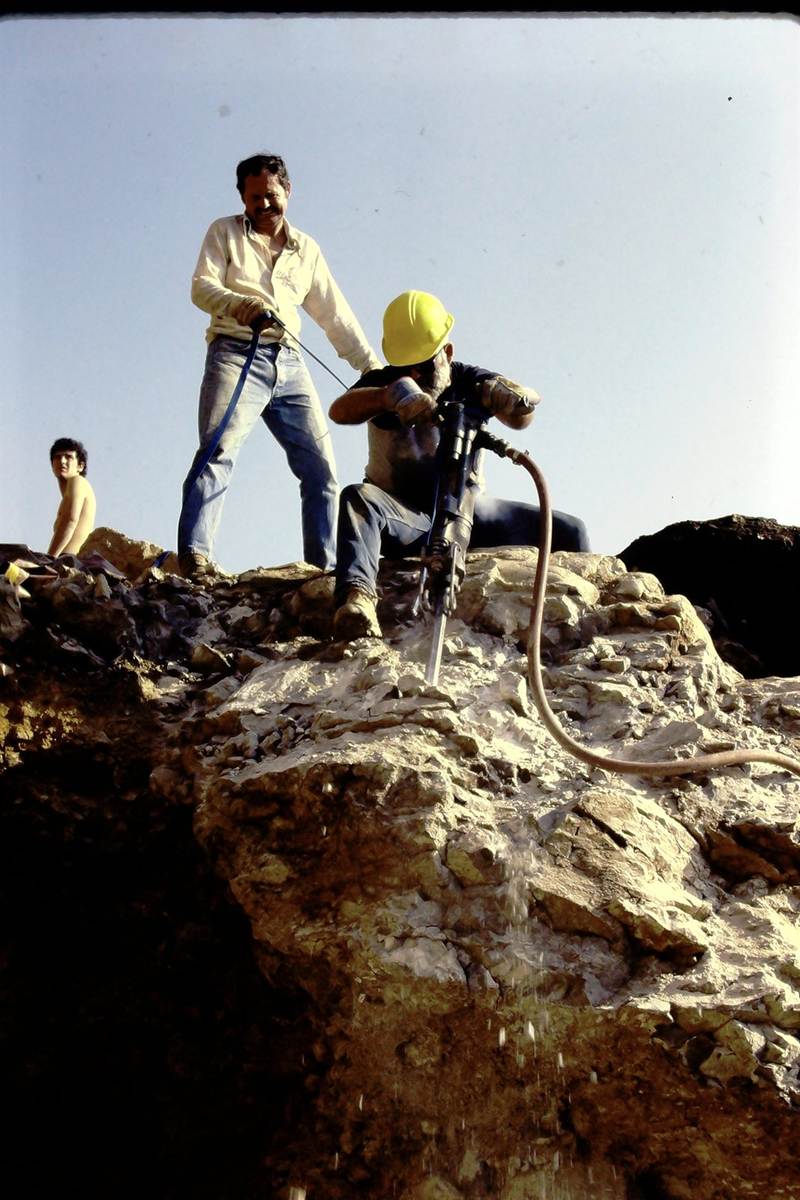
Parts of an Overhanging Ledge are Removed over the Entrance to a Cave to Prevent Injury to Workers Below (1979)
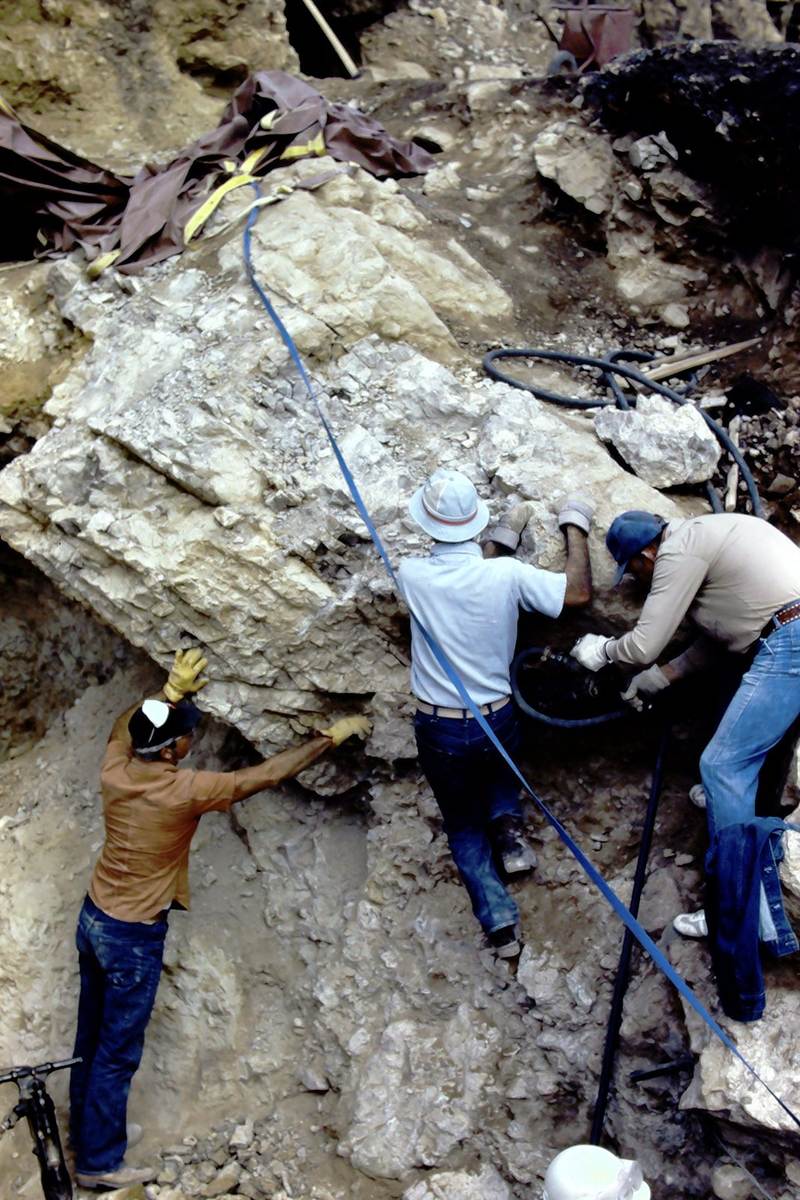
A Large Slab in Front of the South Opening is Removed to Clear the Way for its Excavation (1982)
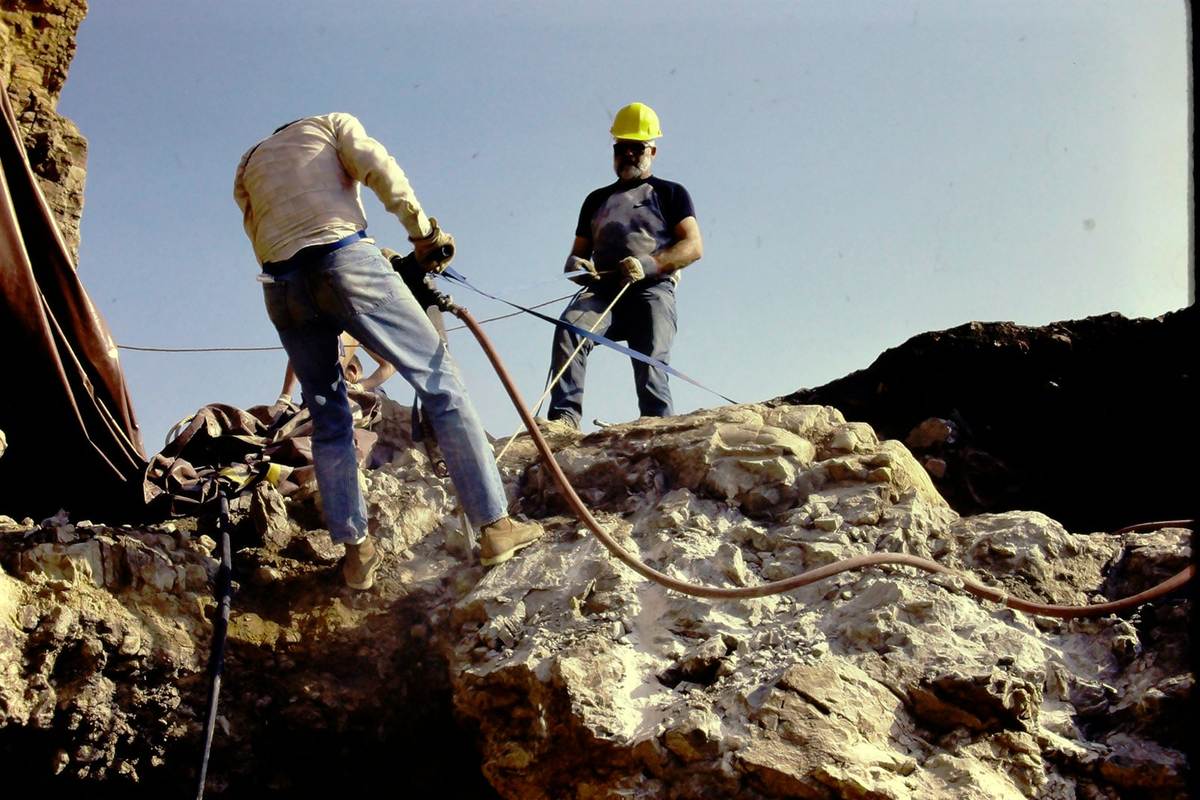
Removing the Surface Layer in Front of the North Opening to Prepare for a Subsequent Excavation
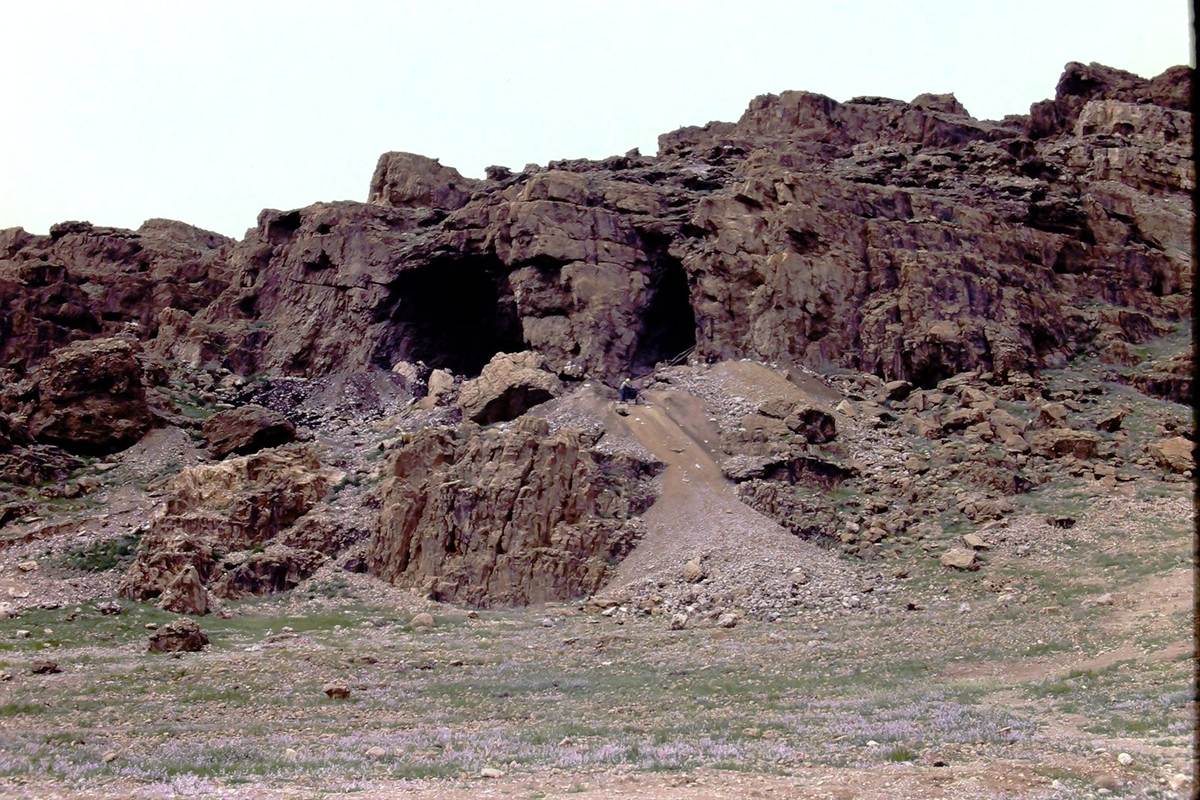
View of the Cave in 1977 Before the Talus Grew Larger
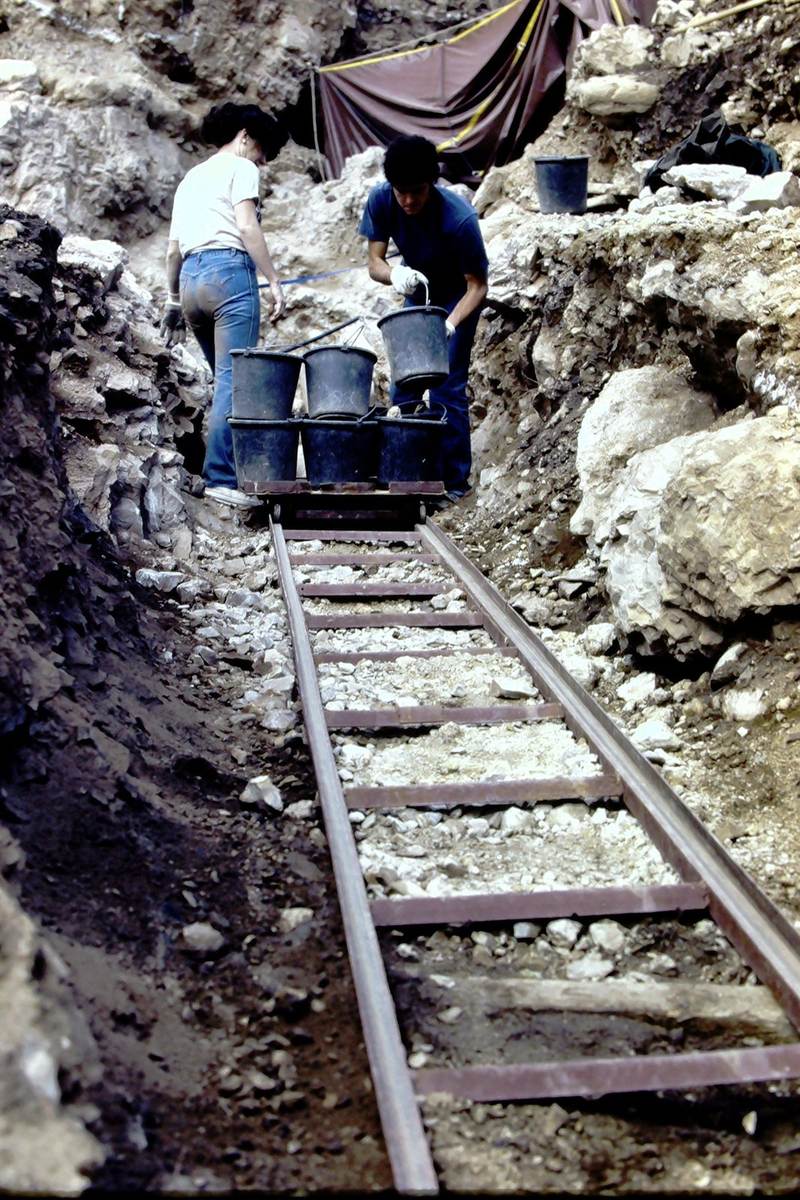
The Crew Improvises a “Railroad Track” for the Quick Removal of Buckets Extracted from the Cave
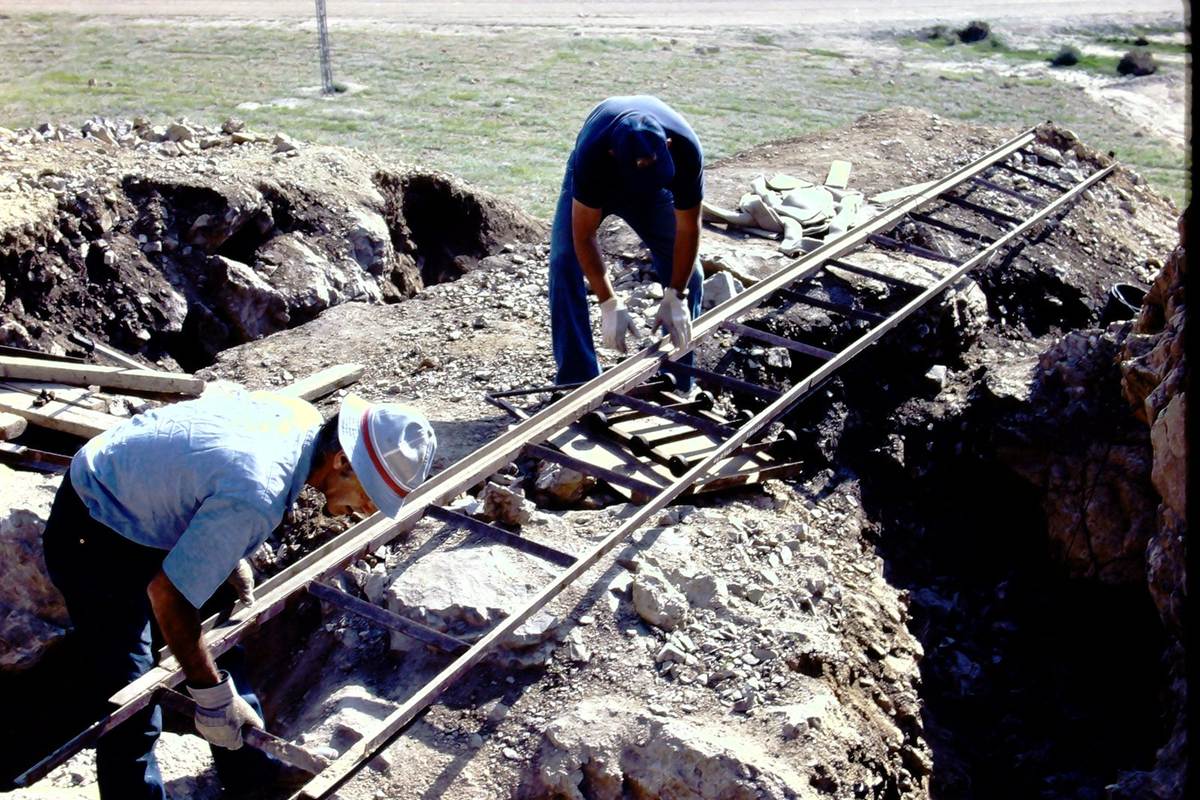
A “Railroad Track” is Constructed to Speed the Removal of Buckets Being Removed from the Cave
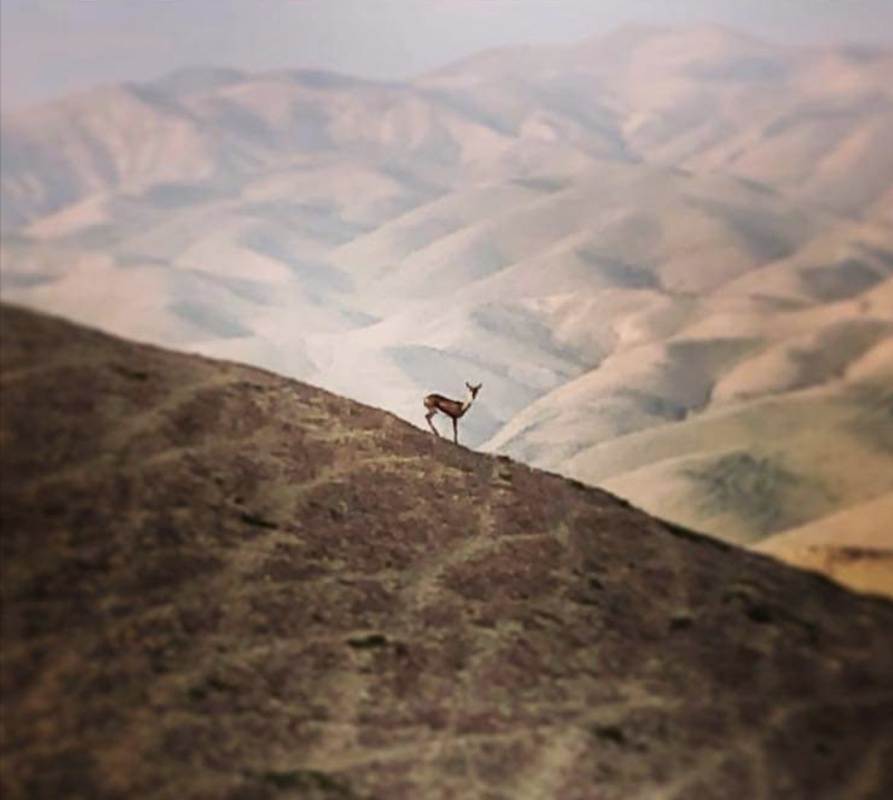
Qumran Was and Still is a Nature Reserve Dedicated to Preserving Desert Wildlife and Natural Fauna
Photos coming soon.